Last updated November 23, 2026
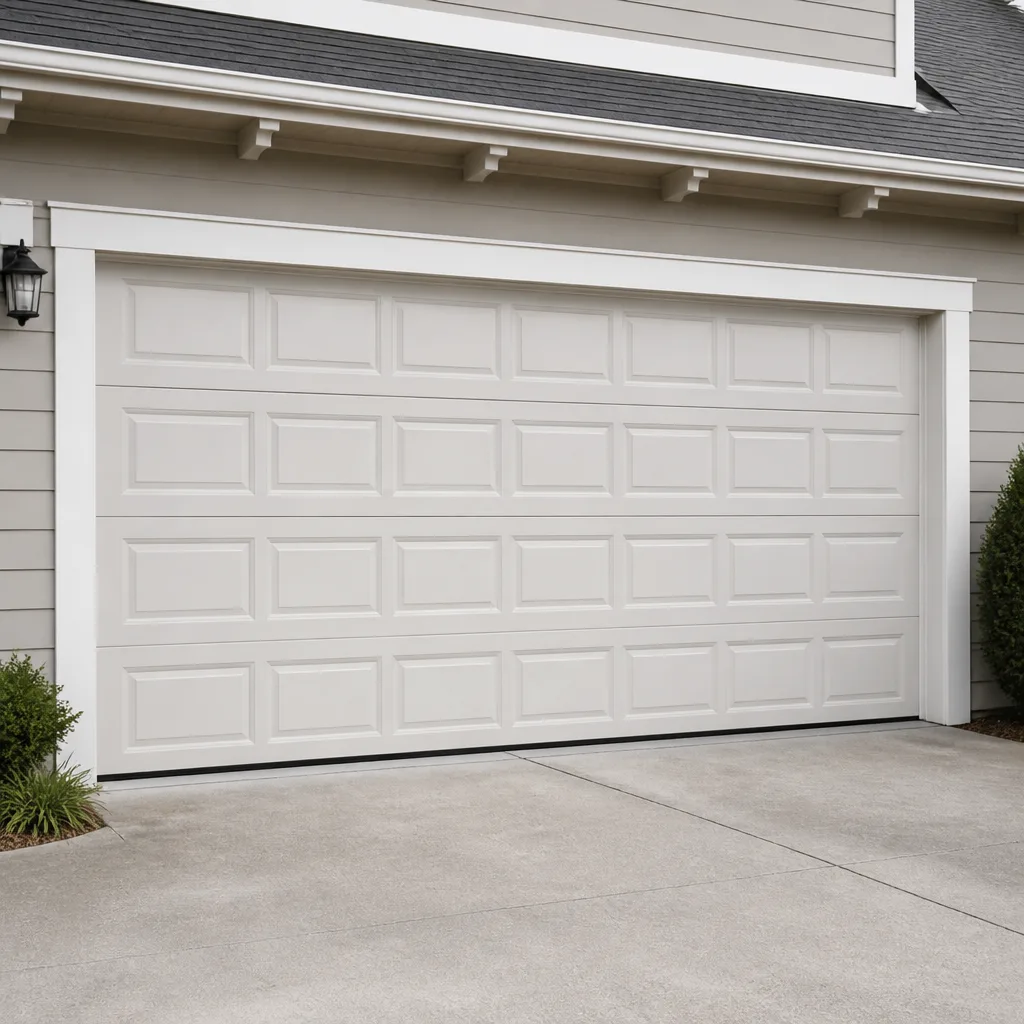 Raised-panel steel
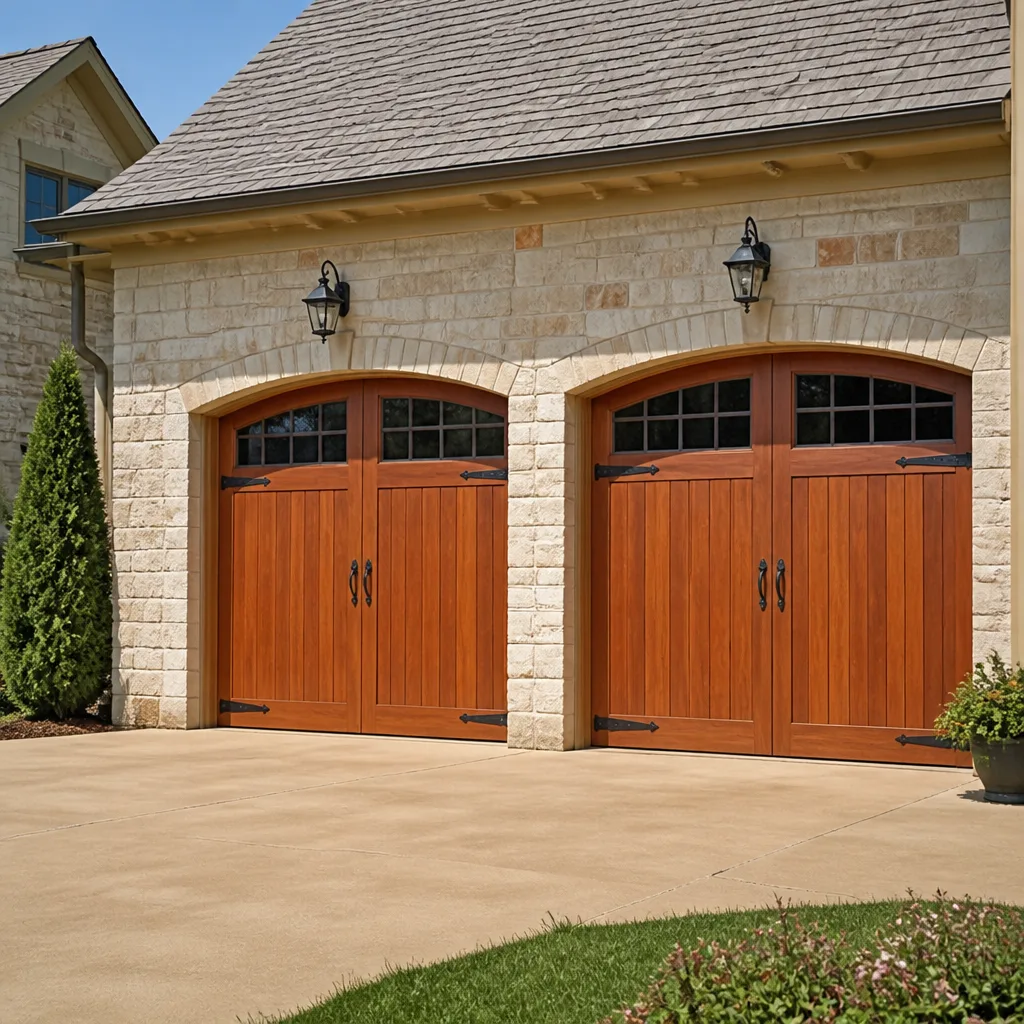 Carriage house
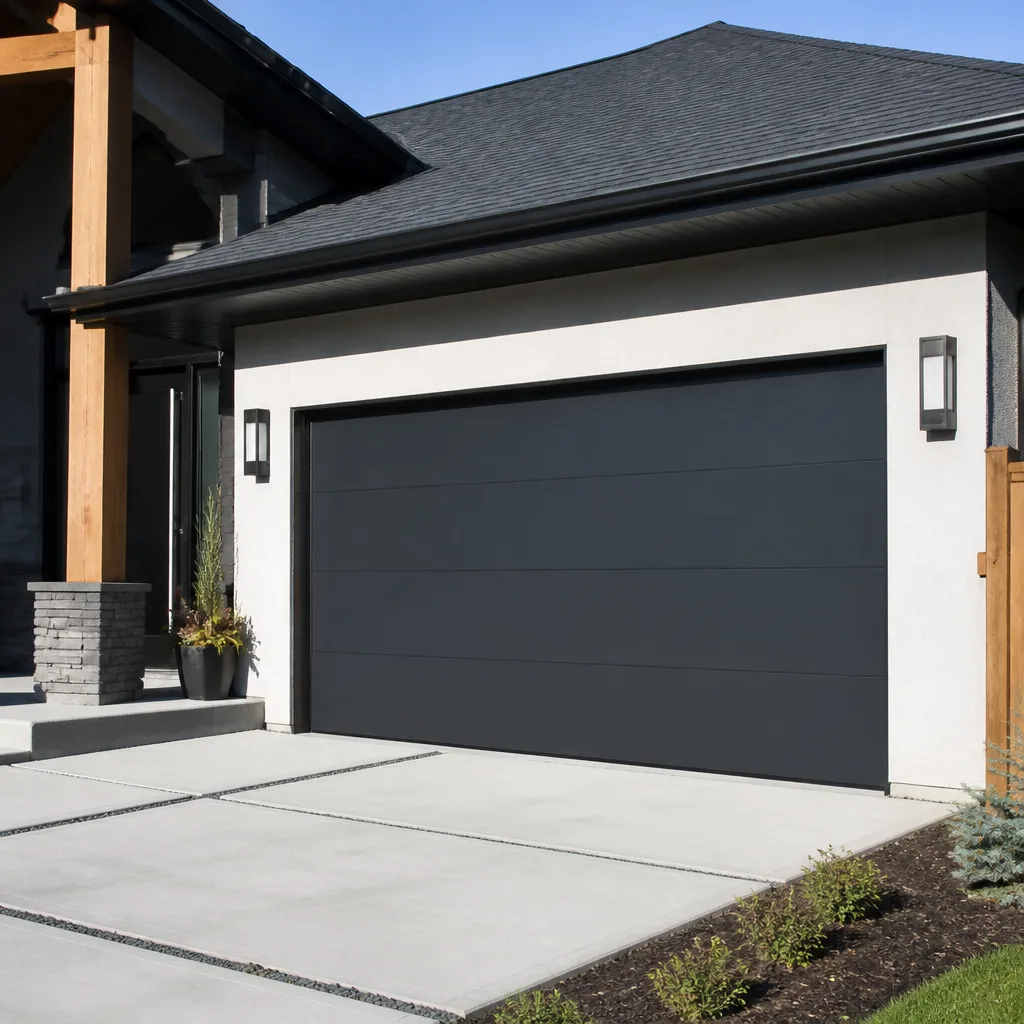 Modern flush
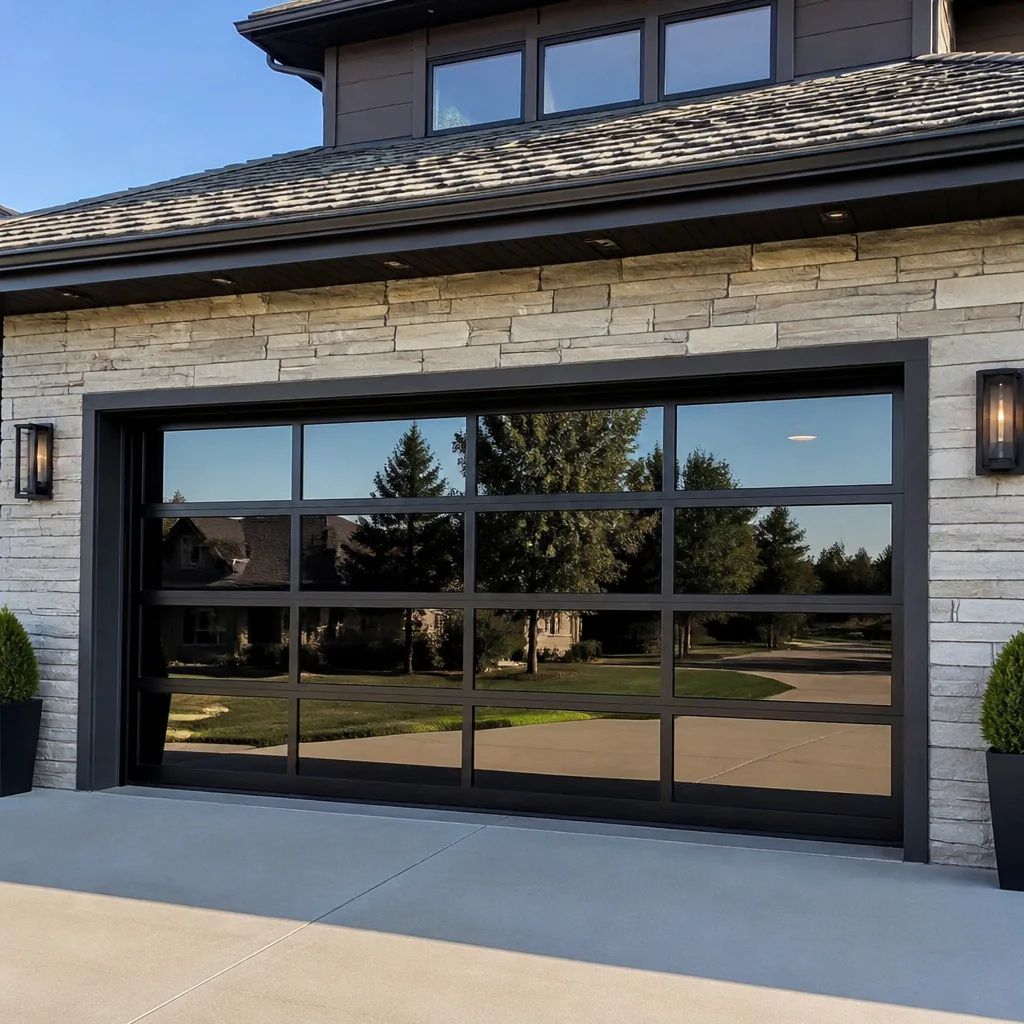 Full-view glass
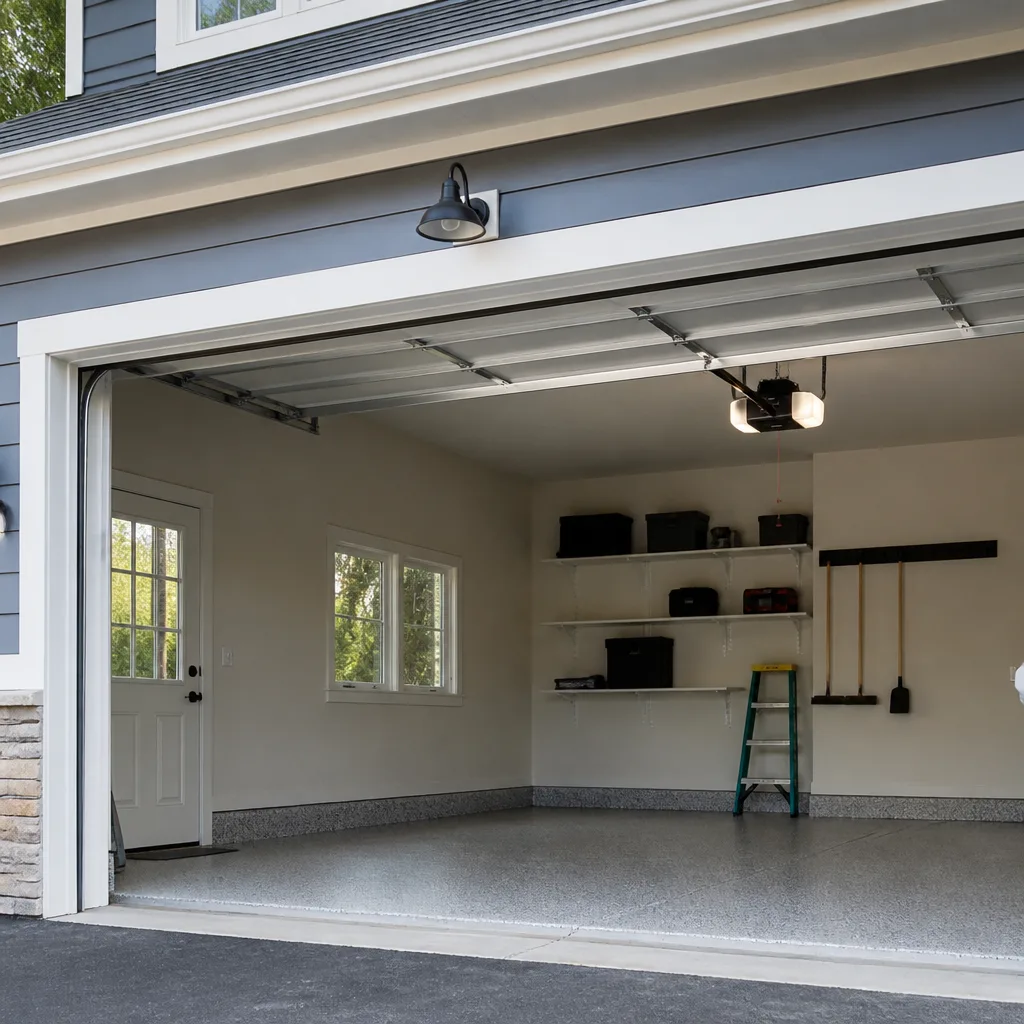 LiftMaster openers
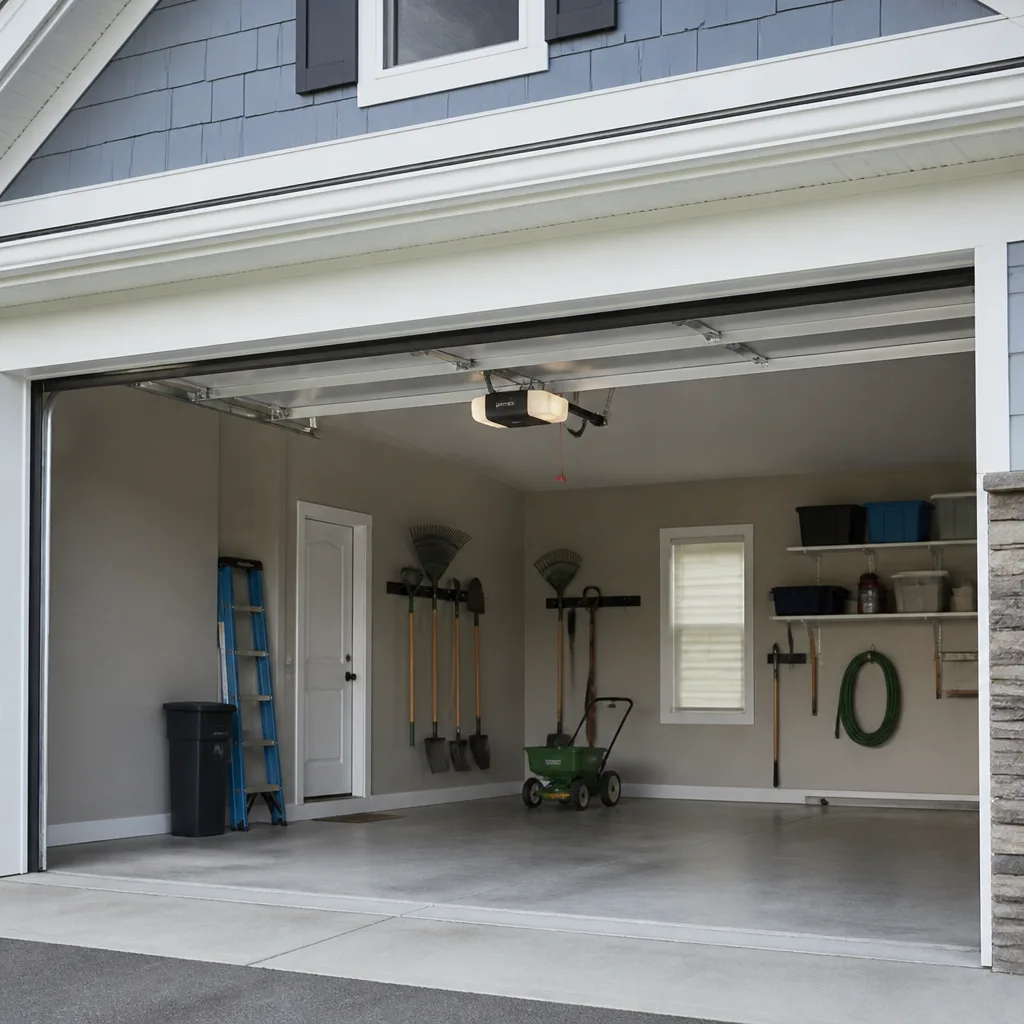 Chamberlain openers
Full 25-point door and opener safety check with every visit - springs, cables, rollers, tracks, and your LiftMaster or Chamberlain opener included
You get a price before we start. It does not change when the pro arrives.
Get your free estimateChoosing the Right Garage Door Brand: A Buyer’s Guide for Tacoma
A brand that dominates garage door sales in Phoenix is not automatically the right choice in Tacoma. That’s the first thing to understand, and it’s where most buyer’s guides go wrong. They rank manufacturers by national volume or showroom shine, then tell you to pick the winner. But a door is a long-term exterior fixture, and what matters here is different: which steel coatings hold up to sustained Pacific Northwest moisture, which brands have parts sitting in regional distribution instead of on a slow truck from the Midwest, and which product lines actually suit the craftsman bungalows, mid-century ranches, and newer construction around Tacoma. This guide walks through brand comparisons on corrosion resistance, insulation, and local parts availability, then covers materials, style matching, and openers. By the end you’ll know how to choose a door that fits your house and your climate, not just a logo on a brochure.
Quick Answer
For most Tacoma homeowners, the best garage door brand is the one with strong regional parts distribution, a hot-dipped galvanized or factory-primed steel door suited to a wet climate, and an insulation level matched to how you use the space. Clopay, Amarr, Wayne Dalton, CHI, and Doorlink all make solid doors, but the right pick depends on your architecture, your budget, and whether local suppliers stock replacement panels and hardware for that line. Brand reputation matters far less than climate tolerance and parts availability in Tacoma.
Styles & brands we work with
- Raised-panel steel
- Carriage house
- Modern flush
- Full-view glass
- LiftMaster openers
- Chamberlain openers
Table of Contents
- Why Brand Choice Works Differently in Tacoma
- Head-to-Head: Clopay, Amarr, Wayne Dalton, CHI, and Doorlink
- Why Local Parts Availability Matters More Here
- Steel vs. Wood vs. Composite vs. Fiberglass in a Wet Climate
- Matching Door Style to Tacoma Architecture
- Insulation and Temperature Performance
- Choosing Your Opener Brand Separately
- How to Choose: A Step-by-Step Process
Why Brand Choice Works Differently in Tacoma
Garage door brands build to a national standard, but they don’t all survive the same local conditions equally well. Tacoma sits in a climate with months of steady moisture, mild winters, and cool damp stretches that keep surfaces wet longer than a dry climate would. That reality puts a premium on how a manufacturer treats its steel, what gauge it uses, and how it primes and finishes panels before they ship. A door that looks identical to another in a showroom can age very differently after several wet seasons.
The second local factor is distribution. Major metros host warehouses for nearly every brand, so a replacement panel arrives fast almost regardless of what you bought. Tacoma is a smaller market with a thinner regional supply chain, and brands with light distribution here can mean weeks of waiting on proprietary hardware. When a door is stuck open or a panel is dented, that lead time matters. It’s why we tell homeowners to check parts availability before they fall in love with a product line.
The third factor is fit. Tacoma’s housing stock is not a single style. Craftsman bungalows, mid-century ranches, and newer subdivisions each call for different panel profiles and materials. A brand that leads with modern flush designs may have nothing that suits a 1920s craftsman, and a brand heavy on traditional raised panels may feel wrong on a newer build. Choosing well means matching the manufacturer’s catalog to the architecture you actually live in.
Put those three together and the local lens becomes clear: corrosion resistance, parts availability, and architectural fit. National reputation is background noise next to those.
Head-to-Head: Clopay, Amarr, Wayne Dalton, CHI, and Doorlink
These five brands show up most often in Tacoma garages, and each has strengths worth knowing. None is universally best. Here’s how they compare on the factors that matter locally.
Clopay
Clopay has one of the broadest residential catalogs, from basic uninsulated steel to well-insulated carriage-house styles. Their steel doors typically use galvanized steel with a factory finish, which handles moisture well. The range is a real advantage in Tacoma, because you can usually find a profile that suits both a craftsman bungalow and a newer ranch without switching brands. Insulation options run from none up to multi-layer construction, so you can match cost to how much you care about the garage as a workspace.
Amarr
Amarr is strong on value and traditional styling, with a solid lineup of raised-panel and carriage-house doors that suit Tacoma’s older neighborhoods. Their steel construction and finish hold up in wet conditions, and the product tiers are straightforward to compare. For a homeowner who wants a classic look on a mid-range budget, Amarr is often a sensible fit. Parts availability is generally reasonable, though it pays to confirm lead times on specific panel styles before ordering.
Wayne Dalton
Wayne Dalton is common on Tacoma homes, sometimes paired with an opener from a different maker. They offer a range of steel and composite options, and their foam-core and insulated lines perform well. If you already have a Wayne Dalton door, staying with a matching panel or model keeps the look consistent and simplifies sourcing. Their product families vary, so it’s worth having a technician confirm exactly which line is on your home before a repair or replacement conversation.
CHI
CHI builds heavy-gauge steel doors that hold up well to moisture and daily use, and their models are often found on homes where durability was the priority. Their carriage-house and full-view lines are popular for newer construction. The thicker steel is a plus in a wet climate, though it does mean the door is heavier and the opener and spring system need to be matched to the load.
Doorlink
Doorlink is a budget-friendly option with a smaller catalog, and it can be a reasonable choice for a straightforward replacement where cost is the primary driver. The tradeoff is fewer style options and thinner distribution, so parts availability deserves a close look. For a basic attached garage, a Doorlink door can work well; for a home where style and longevity are the focus, the other brands usually offer more.
One practical note: garage doors aren’t a brand-exclusive system. A Craftsman opener on a Wayne Dalton door is common, and mixed-brand setups are something we handle routinely. Brand-fluent technicians diagnose faster because they know each manufacturer’s quirks rather than guessing at a generic fix.
Why Local Parts Availability Matters More Here
In a major metro, a replacement panel or proprietary hinge can often be sourced within a day or two because multiple warehouses stock it. Tacoma’s regional distribution is thinner, and that changes the math on brand choice. A manufacturer with light distribution here can leave you waiting on a part that’s custom-ordered, especially for older or less common door lines. When a door won’t close or a panel has damage, that wait is a security and access problem, not just an inconvenience.
Here’s how to factor parts availability into your decision:
- Ask what’s stocked regionally. Before ordering a door, ask your installer which panels and hardware for that line are commonly available nearby versus special-order only.
- Favor brands with broad dealer networks. The bigger the network in the region, the shorter the typical wait on replacement parts.
- Check the specific line, not just the brand. A manufacturer’s high-volume models are usually better stocked than niche styles.
- Keep your model information. Knowing your exact door line makes it far easier to source the correct part the first time.
- Consider repair-to-replacement continuity. Choosing a brand with both accessible parts and accessible new panels lets you decide later without starting over.
Brand-fluent technicians make this easier because they know which lines are practical to service locally and which will leave a homeowner waiting. If you’re already dealing with a broken door, our garage door repair service can diagnose what’s failing before you commit to a new purchase.
Steel vs. Wood vs. Composite vs. Fiberglass in a Wet Climate
Material choice is where a wet climate really shows its teeth. Steel dominates the Tacoma market for good reason: when it’s galvanized or properly primed, it resists moisture well and needs little upkeep. The other materials each have tradeoffs that become more pronounced in sustained damp, so it’s worth understanding how they age.
- Steel: The best all-around choice in Tacoma. Galvanized or factory-primed steel resists moisture and holds paint well when maintained. Watch for scratches that expose bare metal; touch them up and a steel door can last a long time.
- Wood: Beautiful and well-suited to older craftsman homes, but wood needs regular sealing and repainting in a damp climate. Unprotected wood absorbs moisture and can warp or rot, so wood rewards homeowners who keep up with maintenance.
- Composite: Composite doors can mimic wood grain while shrugging off moisture better than real wood. They’re a reasonable middle path for a homeowner who wants the look of wood without the upkeep. Quality varies, so check the construction and finish.
- Fiberglass: Fiberglass resists moisture and won’t rust, and it’s light. The tradeoff is that it can crack or fade with age, and it often looks less substantial than steel. It suits certain designs but isn’t the most common pick for a Tacoma replacement.
Against a backdrop of steady wet weather, the practical takeaway is that moisture management beats aesthetics. A well-finished steel or composite door that stays dry and sealed will generally outlast an unprotected wood door left to the rain, regardless of what it cost. When we talk with homeowners about a garage door installation, the material conversation usually starts here.
Matching Door Style to Tacoma Architecture
Too many replacements default to whatever the big-box store stocks, which is why so many Tacoma homes end up with a door that doesn’t quite fit the house. Style matching isn’t complicated, but it requires looking at your architecture first and the catalog second.
Craftsman and bungalow homes usually want a door with some depth and traditional detailing. Carriage-house and raised-panel styles with a wood-look finish tend to suit these homes better than a flat modern panel. Amarr and Clopay both offer options that fit this profile.
Mid-century ranches often look best with clean raised-panel or subtly ribbed doors in a color that matches the trim. Overly ornate doors can fight the simple lines of a ranch, so restraint usually wins.
Newer construction tends to be more forgiving. Carriage-house, full-view, and modern panel designs all work depending on the builder’s aesthetic, and CHI and Clopay offer a good spread of choices. In newer subdivisions, a clean, well-insulated steel door with glass options often fits best.
A simple way to decide is to look at the homes near yours on the same street or block. If most of your neighbors have traditional raised-panel doors, a wildly different style will stand out. If you want to lead the street with something modern, a full-view or flush design can work, but confirm the panel is available locally before committing. A specialty or niche style is more likely to be special-order in Tacoma than a common one, which ties back to parts availability.
The goal is a door that reads as if it belongs on the house, which is why we walk through style options before quoting a replacement.
Insulation and Temperature Performance
Insulation in a garage door is one of the most misunderstood features. It doesn’t just keep a car warm; it affects noise, condensation, and how usable the garage is as a workspace. In a wet climate, insulation also helps reduce the condensation that forms on cold interior surfaces during damp months. That matters if the garage is attached and shares a wall with the house.
Here’s how to think about it:
- Uninsulated steel: Fine for a detached garage where you only park a car. It’s the least expensive tier.
- Single-layer with a backing: A step up in appearance and noise reduction, useful for attached garages where the door faces the living space.
- Foam-injected or multi-layer: The strongest choice for a garage used as a workspace, home gym, or shop. Better insulation means less condensation on the interior and a quieter operation.
In Tacoma’s mild but damp climate, the key benefit of a well-insulated door is condensation control, not extreme cold protection. A properly insulated door stays closer to indoor temperatures, which reduces the damp feeling that can build up in garages during the wetter months. The heavier door that comes with better construction also usually runs quieter and feels more solid, though it requires the opener and springs to be matched to the added weight. If the space is a primary workspace, insulation earns its cost; for a simple parking garage, a basic door is often enough.
Our technicians have up to 9 years of experience matching insulation levels and door weights to the opener and spring systems that support them, which keeps a heavier door operating smoothly.
Choosing Your Opener Brand Separately
The opener is a separate decision from the door, and treating it as an afterthought is a common mistake. The opener ecosystem determines app integration, battery backup, sensor compatibility, and how smoothly the door operates day to day. Bundling a door and opener without evaluating the opener on its own can leave you with a door you like and an opener that frustrates you.
When you evaluate openers, weigh these factors on their own merits:
- App and smart-home integration: If you want to open the door from your phone or tie it into a smart-home system, confirm the opener actually supports it. LiftMaster and Chamberlain lines with myQ compatibility are common choices for this.
- Battery backup: A backup battery keeps the door working during a power outage, which is a real convenience when a storm knocks out power.
- Safety sensors: Every opener needs working safety sensors. Compatibility with your existing sensors matters if you’re replacing only the opener.
- Quiet operation: Belt-drive openers run quieter than chain-drive models, which is worth considering for attached garages where the door shares a wall with living space.
- Parts availability: As with doors, an opener brand with good regional parts distribution is easier to service here.
Because a strong door brand doesn’t guarantee a strong opener, we recommend picking them separately. Our garage door opener repair service covers the major smart and legacy platforms, so if you’re replacing one, we can help you choose an opener that fits the door’s weight and your home’s needs. That mixed-brand reality, a Craftsman door with a Genie opener, for example, is exactly why brand-agnostic fluency pays off.
How to Choose: A Step-by-Step Process
Here’s a practical order for choosing a door, which keeps you from getting lost in catalogs and showroom displays.
- Assess your climate and material needs. In Tacoma that means favoring moisture-resistant steel or composite over unprotected wood, and confirming the finish is suitable for a wet climate.
- Match the style to your architecture. Start with the house, not the catalog. Craftsman, ranch, or newer construction each point toward specific profiles.
- Choose insulation based on use. Detached or parking-only garages can go basic; workspaces and attached garages benefit from a foam-core or multi-layer door.
- Shortlist brands with local parts distribution. Confirm that replacement panels and hardware for your shortlisted lines are reasonably available in the region.
- Get a professional measure. Standard sizes vary more than people expect, and a proper measure prevents ordering the wrong door.
- Evaluate the opener separately. Match opener type and weight rating to the door, and confirm the smart and safety features you want.
- Compare written quotes. Have each quote list the door line, insulation tier, opener model, and labor so comparisons are apples to apples.
Following this order keeps the decision grounded. If a repair turns into a replacement conversation, the same process applies, which is why having installation and repair in one place avoids a referral to a second company. If you’re still working out what’s wrong, our team can help diagnose it as part of the same conversation.
Common Mistakes to Avoid
- Buying by national reputation alone. A brand that leads in another climate or market may have thin parts distribution and a poor fit for Tacoma’s architecture. Check local availability and fit before the logo.
- Ignoring parts availability. Ordering a niche style or lesser-stocked line can mean a long wait for a replacement panel later. Confirm what’s stocked regionally first.
- Choosing whatever the big-box store stocks. Retail inventory is driven by volume, not by what fits your craftsman bungalow or mid-century ranch. Match the style to the house instead.
- Treating the opener as an afterthought. Bundling a door and opener without evaluating the opener separately can leave you with mismatched app support, sensors, or weight ratings.
- Picking the wrong material for a wet climate. Unprotected wood in steady moisture warps and rots; favor galvanized or factory-finished steel, or composite where a wood look is wanted.
- Overlooking insulation where it counts. A basic door in a garage you use as a workspace means condensation and noise you’ll feel daily. Match insulation to how the space is used.
- Skipping the professional measure. A slightly wrong size or a mismatched opener rating turns a new door into an ongoing problem, so have the opening measured before ordering.
See the difference
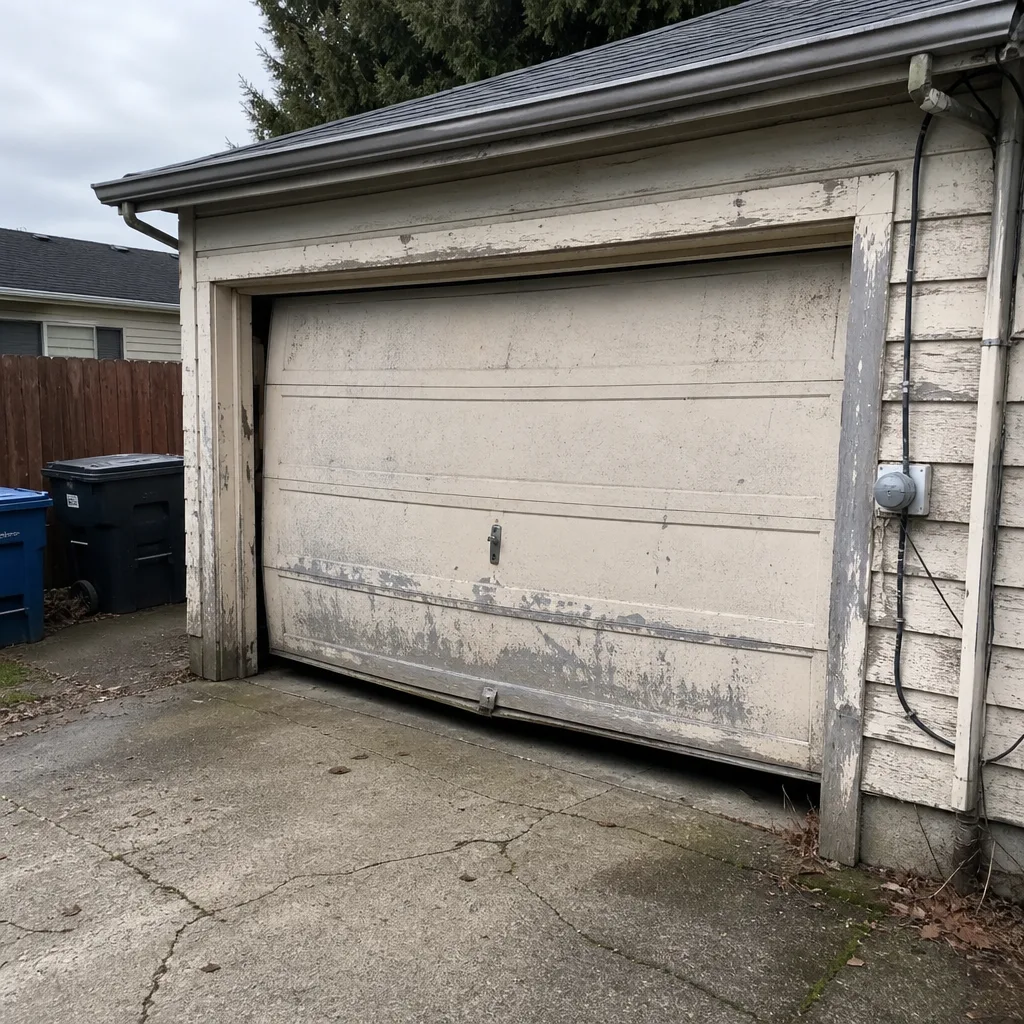 Before
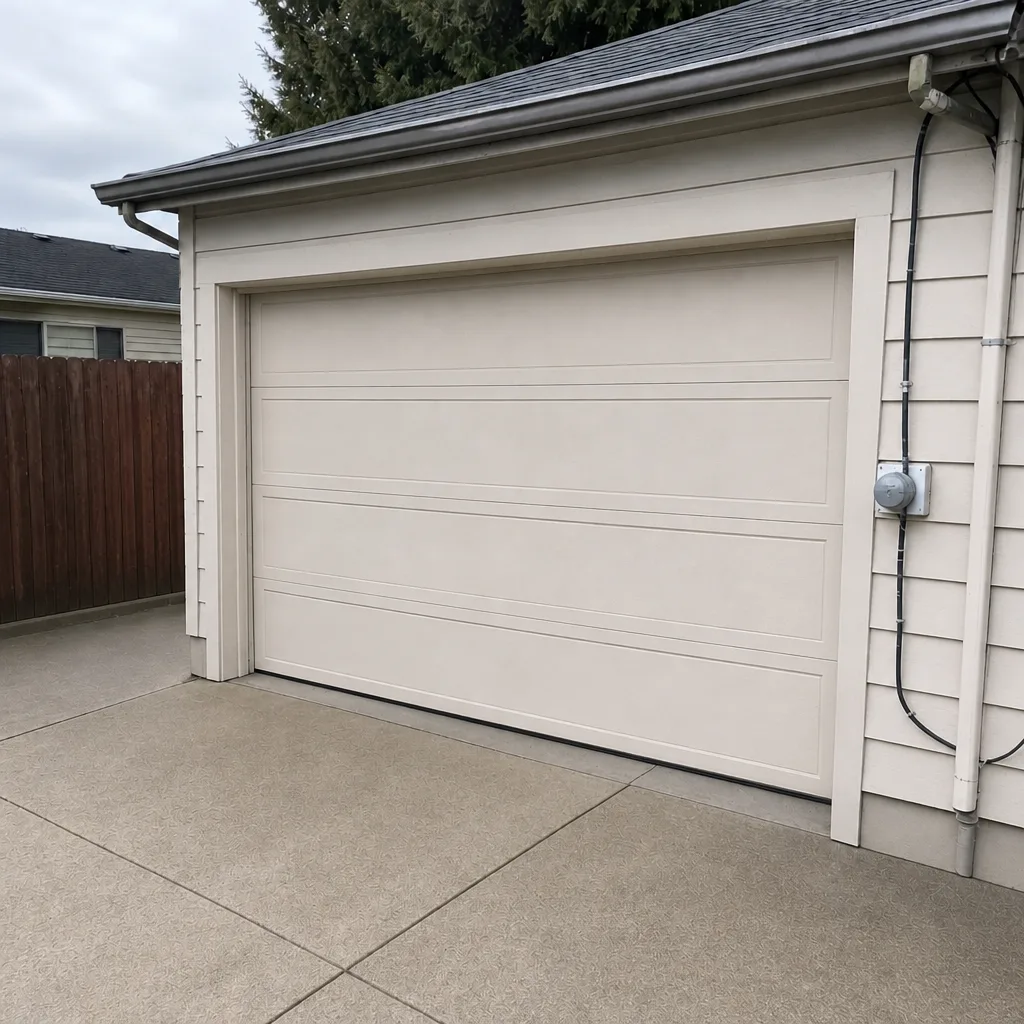 After
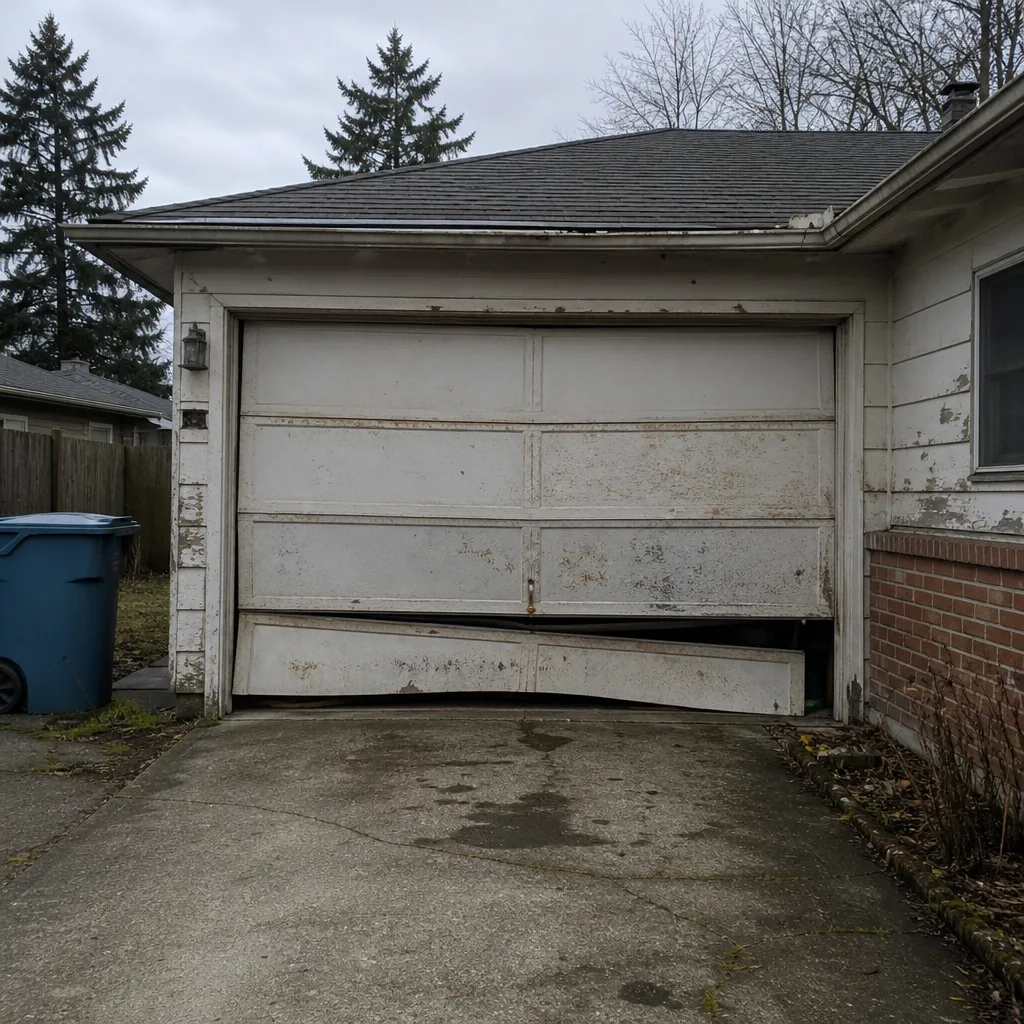 Before
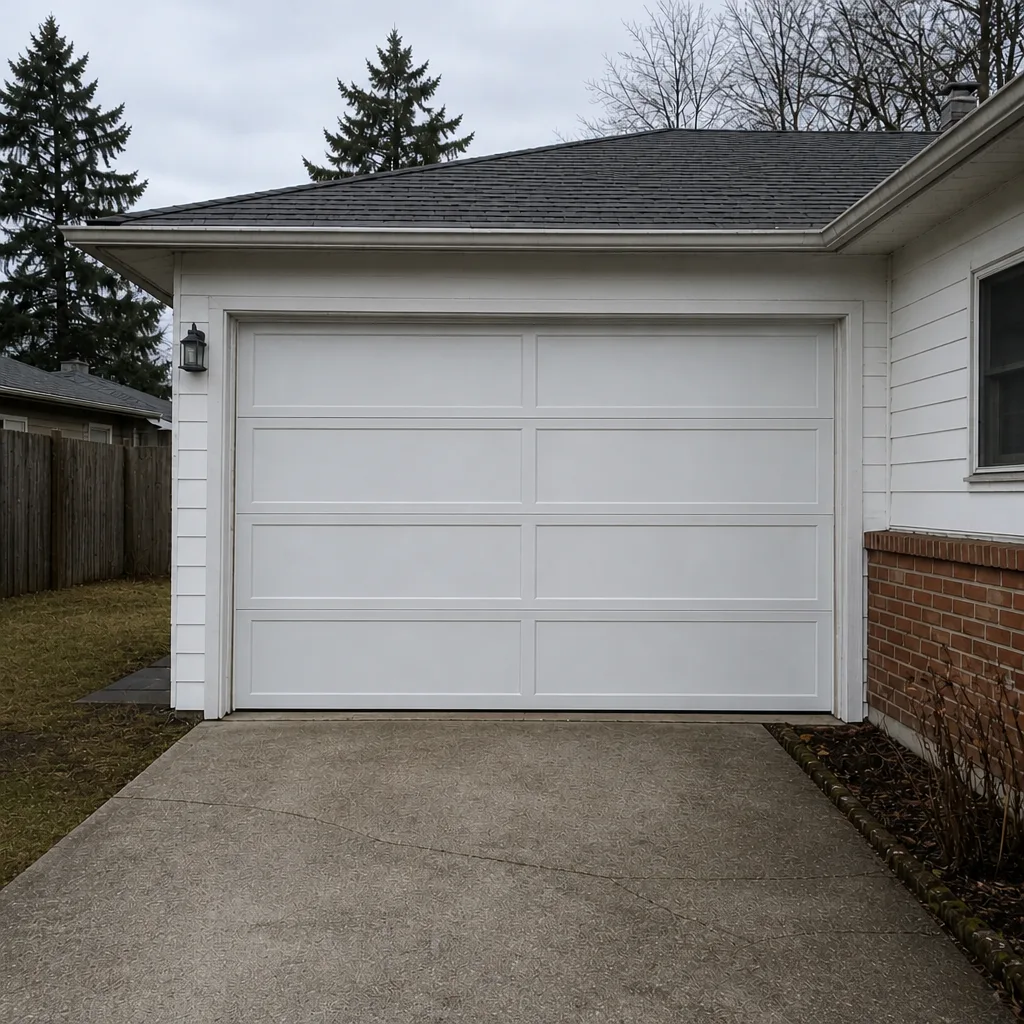 After
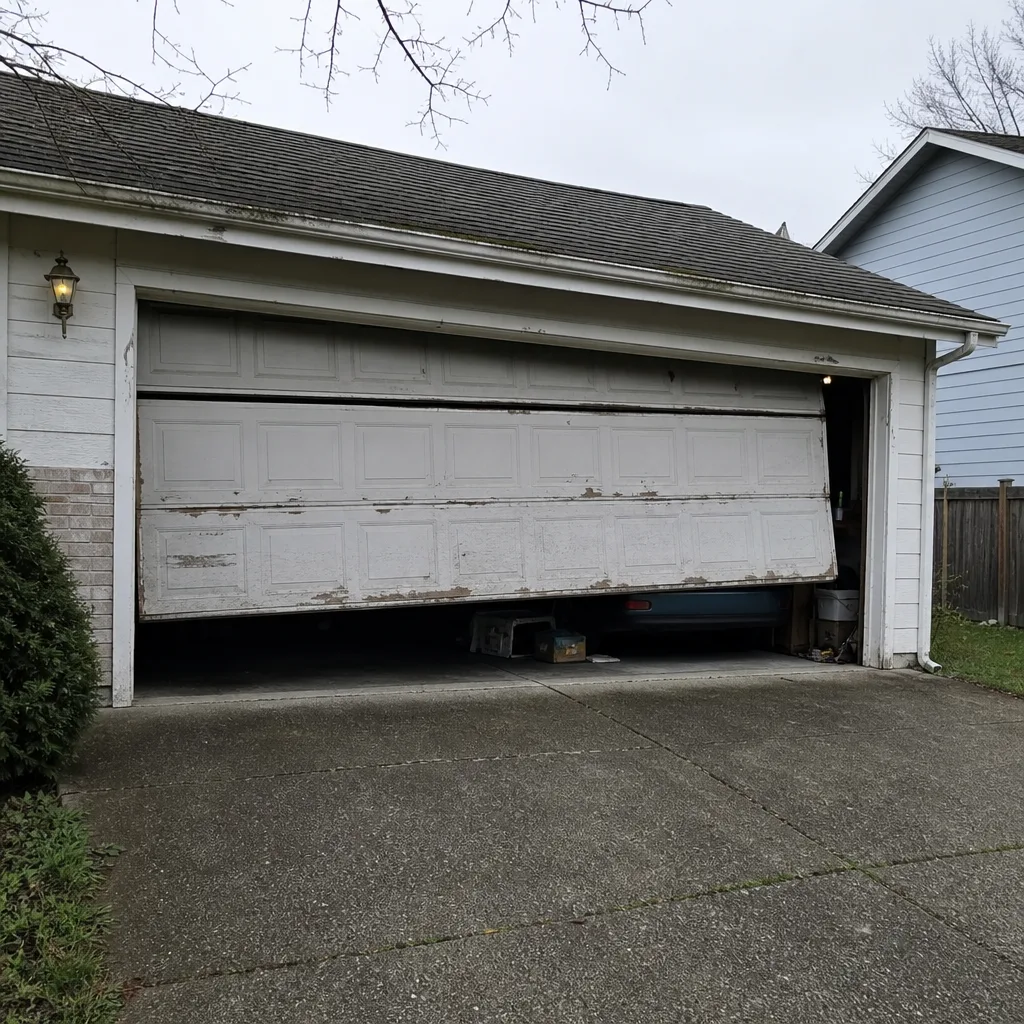 Before
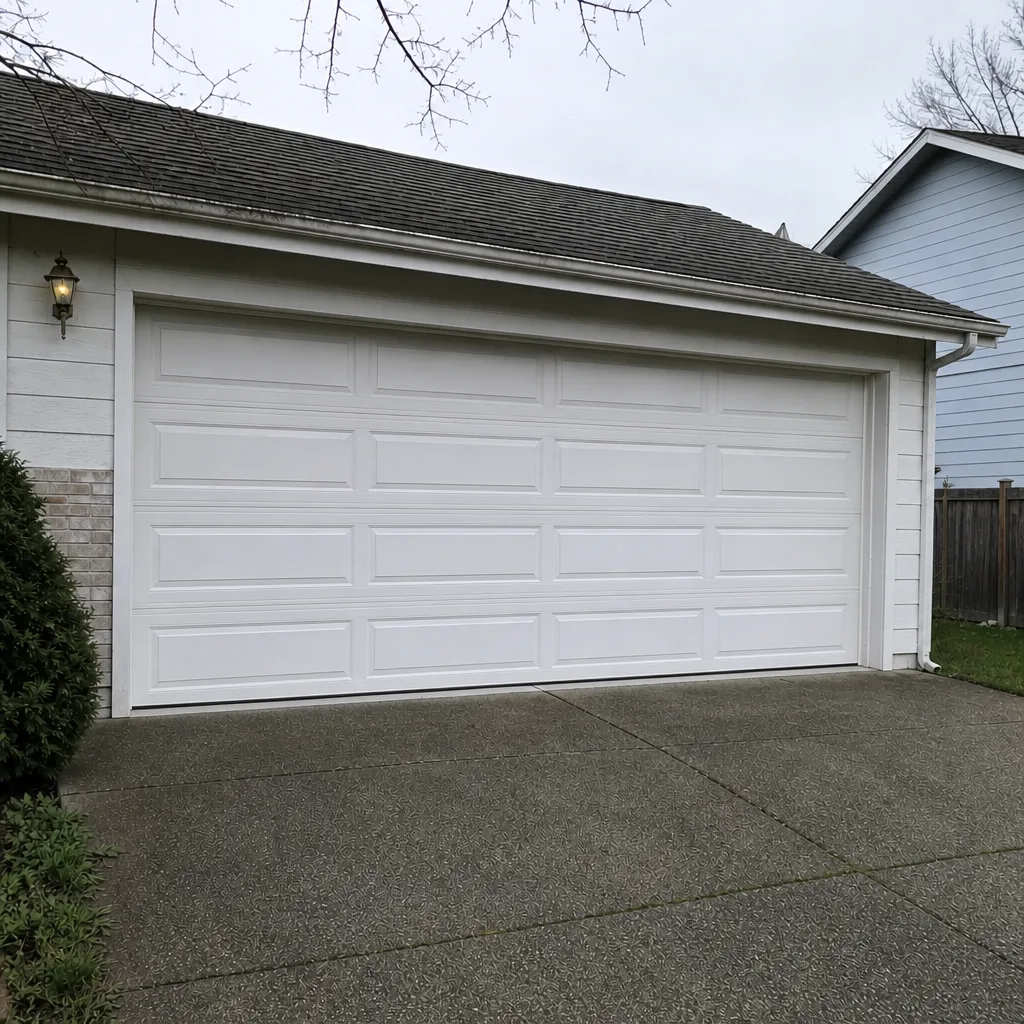 After
When to Call a Professional
Some decisions genuinely need a trained technician. If your door has snapped a torsion or extension spring, that’s a safety-critical repair with serious stored energy, and it belongs with a professional, not a weekend project. The same goes for a door that’s come off its track, an opener that’s failing intermittently, or any situation where the door is stuck open and the house is unsecured. If a repair might turn into a replacement, having the same provider assess both saves you from starting over with a second company.
Tacoma Garage Door Repair Experts offers free estimates in Tacoma and works with your insurer where relevant. Our technicians are experienced across major door and opener brands, so the diagnosis fits your specific system. Call (855) 658-4082 to get your garage door back in operation today, or to plan a replacement with a free written estimate.
Frequently Asked Questions
For most Tacoma homes, a galvanized or factory-primed steel door from a brand with strong regional parts distribution is the best choice, because it resists sustained moisture and is practical to service. Clopay, Amarr, Wayne Dalton, and CHI all make doors suited to a wet climate; the right pick depends on your architecture, insulation needs, and local parts availability. Call (855) 658-4082 for a free estimate and a recommendation for your home.
Installation quality matters enormously, but brand still matters because it determines material quality, insulation options, and how easily parts can be sourced later. A well-installed door from a line with thin local distribution can still leave you waiting weeks for a replacement panel. Choose a brand with accessible parts and a professional installer, and you get the best of both. Our team can help you weigh both factors while quoting.
No, you don’t need to, and it’s better to evaluate the opener separately. The door determines material, style, and insulation, while the opener determines app integration, battery backup, sensor compatibility, and quiet operation. Mixed-brand setups are common and completely workable. We’re factory-familiar with LiftMaster, Chamberlain, Genie, Clopay, Amarr, Wayne Dalton, Craftsman, and Raynor, so we can match an opener to your door regardless of brand.
Start with your architecture, not the catalog. Craftsman and bungalow homes usually suit carriage-house or raised-panel styles, mid-century ranches favor clean raised-panel designs, and newer construction is more forgiving. Looking at nearby homes on your block is a quick sanity check before you commit. We’re happy to walk through style options as part of a free measure and estimate.
Not necessarily, but wood requires regular sealing and repainting to hold up in sustained moisture. Unprotected wood can warp or rot over time, so a wood door rewards homeowners who keep up with maintenance. If you want the look of wood without the upkeep, composite is often the more practical choice here. We can talk through longevity and maintenance for each material when you call.
Older and less common brands are still serviceable, and brand-agnostic technicians routinely work on mixed-brand and legacy systems. The key is identifying the exact model so the correct parts can be sourced. If parts are hard to find, we can walk you through repair versus replacement options and match a new door to your opener and opening. Call (855) 658-4082 for an assessment.
The Bottom Line
Choosing a garage door brand in Tacoma comes down to three things: climate tolerance, local parts availability, and architectural fit. National reputation is useful background, but a galvanized or well-finished steel door from a line with strong regional distribution will usually serve you better than a flashier brand with thin supply. Match the style to your craftsman, ranch, or newer home, choose insulation based on how you use the garage, and evaluate the opener separately from the door. Do that, and you’ll get a door that looks right, holds up to wet weather, and stays serviceable. For a free measure and written estimate, our team at Tacoma Garage Door Repair Experts is ready to help.
Written by the team at Tacoma Garage Door Repair Experts.