Last updated November 23, 2026
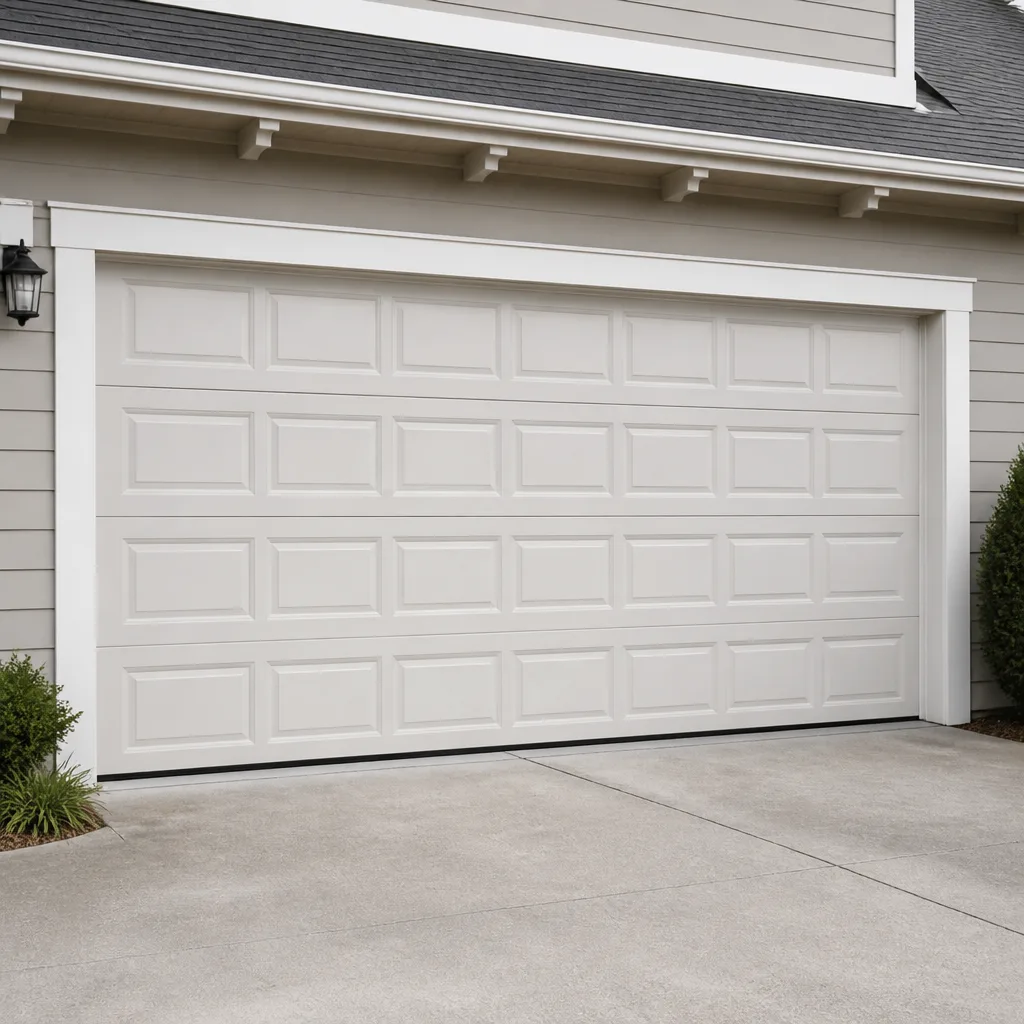 Raised-panel steel
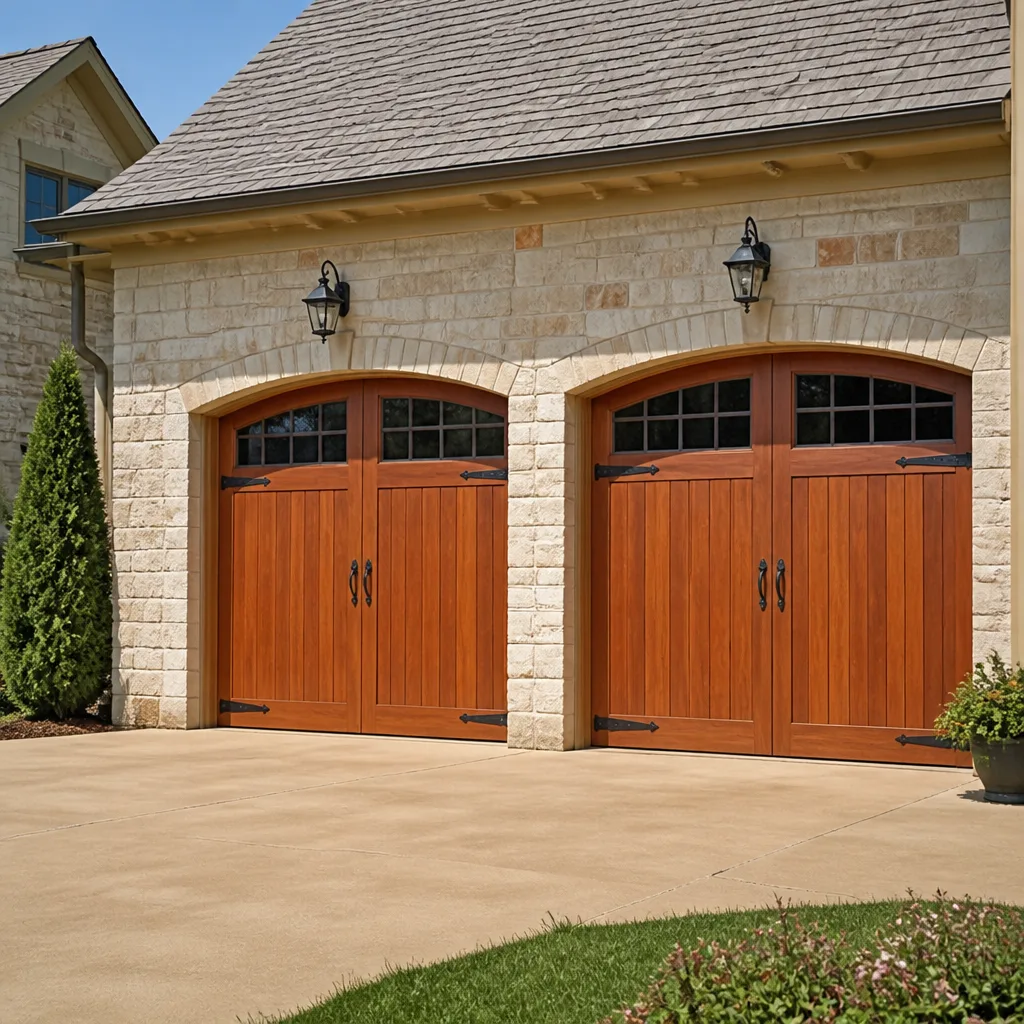 Carriage house
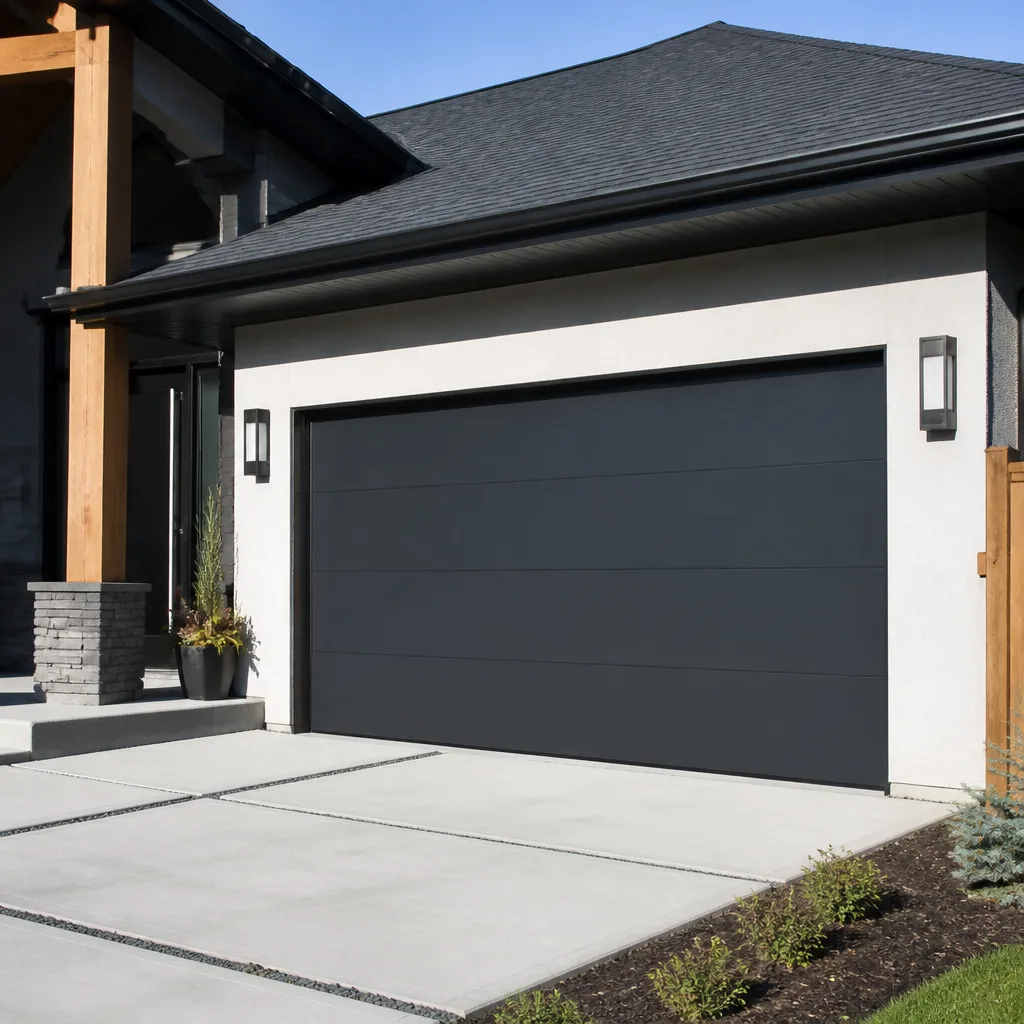 Modern flush
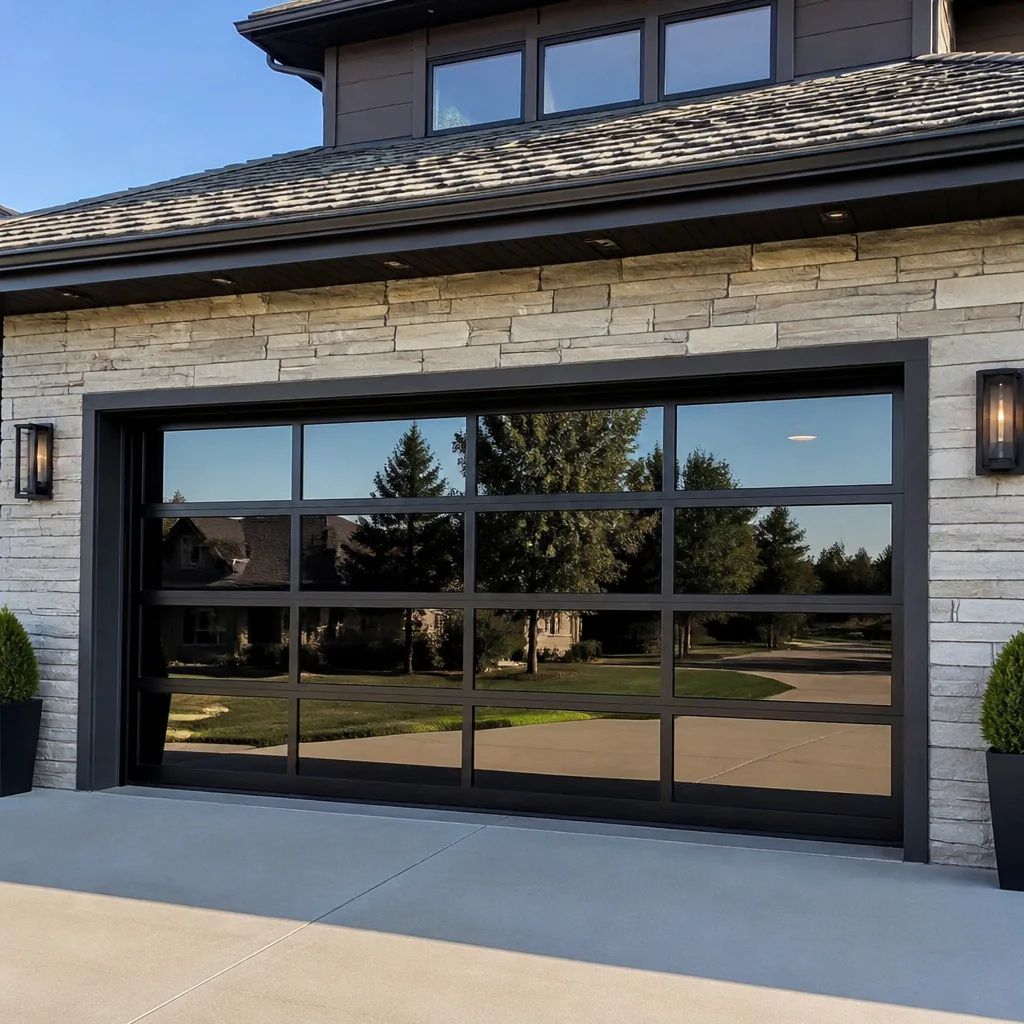 Full-view glass
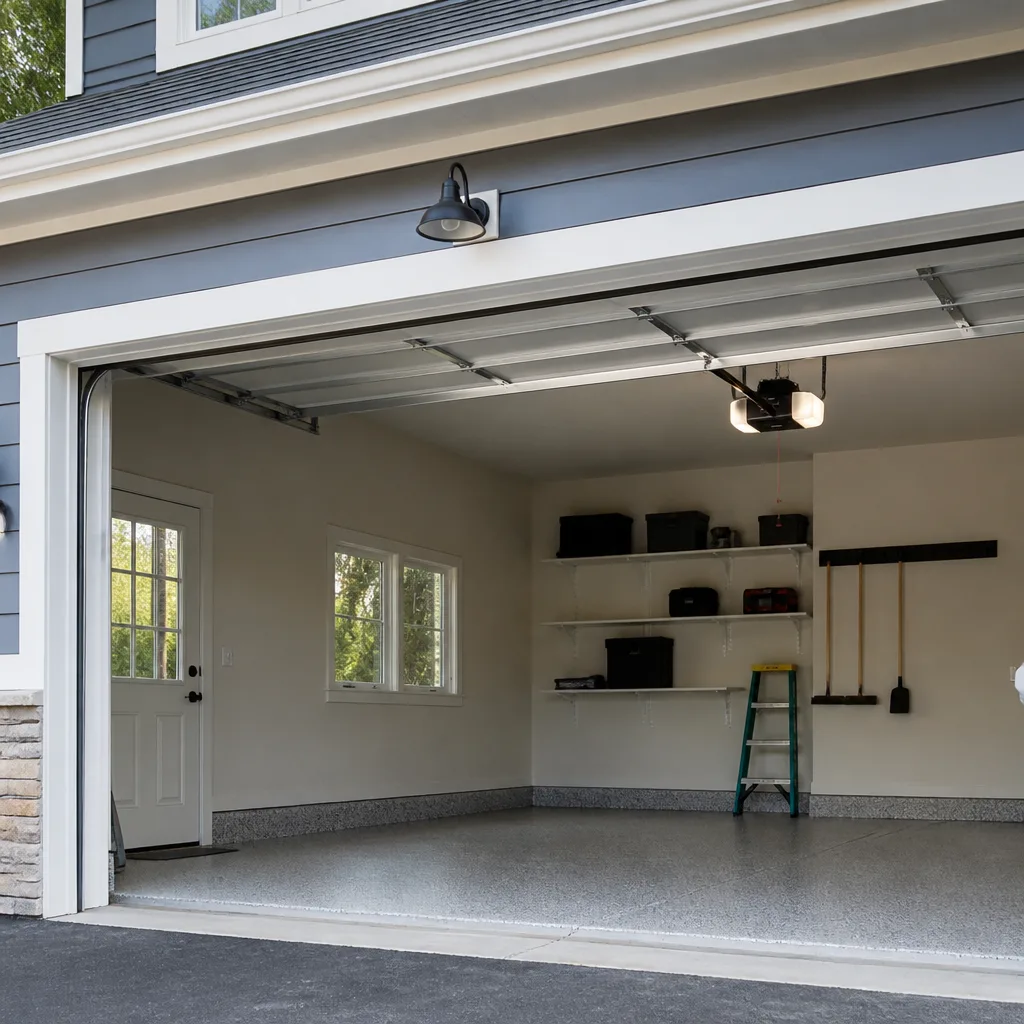 LiftMaster openers
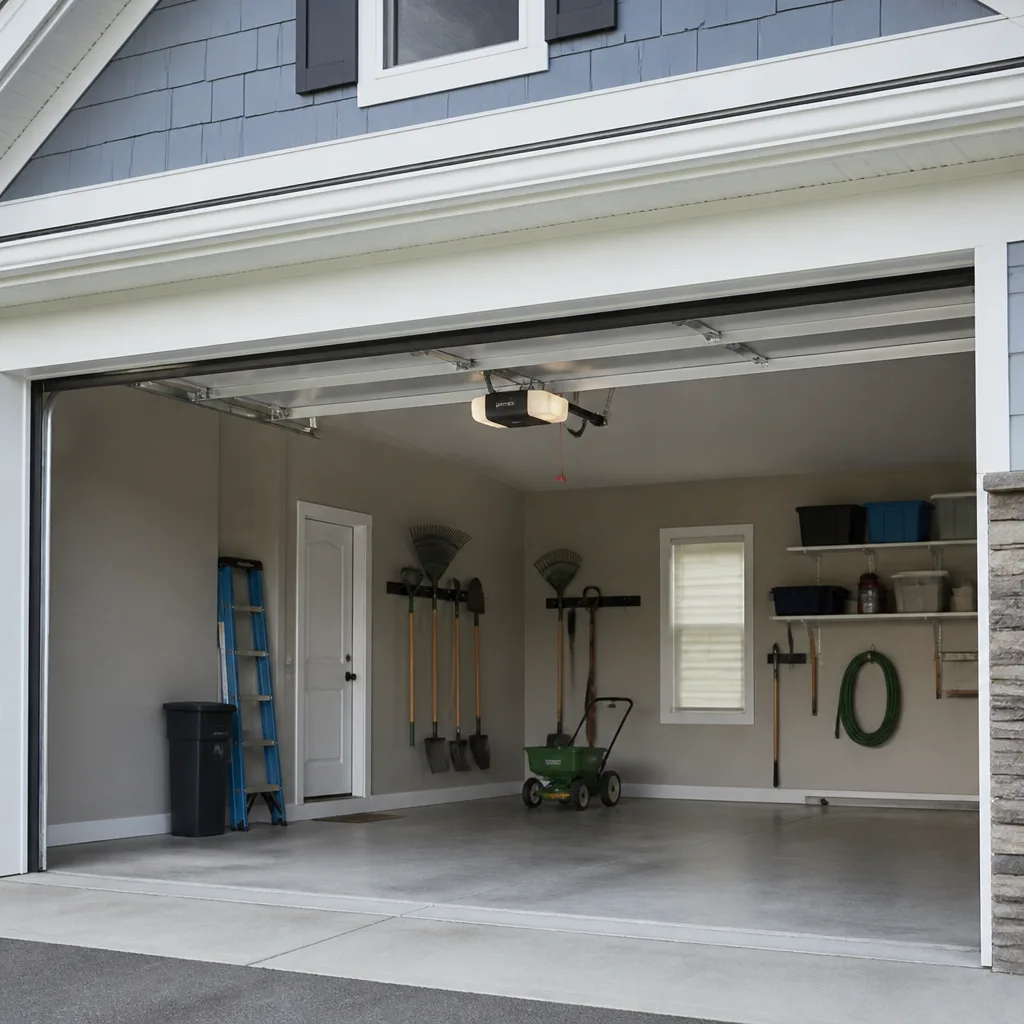 Chamberlain openers
Full 25-point door and opener safety check with every visit - springs, cables, rollers, tracks, and your LiftMaster or Chamberlain opener included
You get a price before we start. It does not change when the pro arrives.
Get your free estimateThe Complete Guide to Garage Doors in Tacoma
Most garage door advice online was written for a place that doesn’t exist here. It assumes dry air, mild winters, and a house built to a single uniform spec. Tacoma gets roughly 38 inches of rain a year and sits in an active seismic zone, and the city’s older neighborhoods are full of homes whose garages were framed decades before anyone thought about standard sizing. Those three facts change which parts fail first, what a compliant installation looks like, and whether a repair will hold or come back to haunt you. We work on garage doors in Tacoma for a living, and this guide covers what national checklists leave out: humidity wear, bungalow-era door dimensions, seismic bracing, the brands already bolted to your ceiling, and the honest point where a fix stops making sense.
Quick Answer
A garage door in Tacoma needs three things tuned to this climate and city: a bottom seal and hardware that stand up to year-round wet, a torsion spring system inspected for corrosion rather than just tested for sound, and – for older bungalow and craftsman garages – a door that’s measured on site because standard sizes often don’t fit. Repairs typically run $180 to $340 for a single spring and $150 to $400 for a tune-up, while a full replacement is a scheduled, measured job that starts with a free estimate and a written price before any work begins.
Styles & brands we work with
- Raised-panel steel
- Carriage house
- Modern flush
- Full-view glass
- LiftMaster openers
- Chamberlain openers
Table of Contents
- How Tacoma’s Rain and Humidity Wear a Garage Door
- Why Tacoma’s Older Homes Have Non-Standard Garage Doors
- Seismic Bracing for Garage Doors in Washington State
- What Door and Opener Brands You’ll Find in Tacoma Homes
- What Garage Door Work Costs in Tacoma
- Repair or Replace: The Wet-Climate Math
- Springs, Cables, and the Parts You Should Never Touch
How Tacoma’s Rain and Humidity Wear a Garage Door
In a wet climate the parts that die first aren’t the ones most guides warn about. A Tacoma garage takes on moisture from the ground up and from the air around it, and that moisture attacks seals, springs, and wood long before it touches the panels most people focus on. Understanding the sequence helps you catch failure while it’s still cheap.
Start at the floor. The bottom seal or weatherstrip sits in pooled water that drains slowly and inconsistently across a driveway that may have settled over the decades. A tired seal lets water wick up under the door, and that’s where you get staining on the slab, dampness against stored items, and a slow decline in whatever the door touches at the base. A rubber or vinyl seal that looks fine in a dry month can be cracked underneath by the end of a Puget Sound winter.
Next, look at the springs and lift hardware overhead. Torsion springs under cyclic use are already working hard; add moisture in the air and the steel can start to pit and corrode, and rust is where a spring loses strength and eventually gives out. It doesn’t always break without warning, but a rusted spring is closer to the edge than a clean one. This is one reason we inspect springs visually, not just push the button and listen.
Wood doors carry the clearest climate story. A solid wood or wood-composite door that gets consistent wet then dry cycles can delaminate along the bottom rails and panel joints, and once water gets behind the paint film, the failure spreads. Steel doors hold up better but a scratched bottom section rusts fast in this wet. Knowing what you’re looking at by material changes what you check and when.
- Bottom seals and thresholds: check for cracking, stiffness, and gaps at the floor where water can enter.
- Torsion and extension springs: look for rust, pitting, and gaps in the coil rather than sound alone.
- Wood doors: inspect bottom rails and panel joints for swelling and delamination.
- Steel panels: touch up chips so bare metal doesn’t rust through the wet season.
- Hinges and rollers: rust in these small parts shows up as a door that binds and jerks.
We’ve seen enough Tacoma doors to know the same order repeats: seals, then springs and rollers, then the panels. Catch it early and most jobs stay small. This is the single biggest reason regular garage door repair visits pay for themselves here – not because doors break often, but because wet weather makes small problems grow faster.
Why Tacoma’s Older Homes Have Non-Standard Garage Doors
“Standard” garage door sizes assume a garage was built to a modern plan. A lot of Tacoma garage structures weren’t. The city’s steady supply of bungalow and craftsman-era homes means many garages were built small, shallow, and low-ceilinged, and the opening you measure may not line up with anything a national guide calls normal.
The practical result is that a replacement door can’t always be ordered off a catalog spec sheet. Two garages on the same street can have openings that differ by a few inches in width, a headroom difference that rules out a torsion setup, or a tapered opening that needs the door fitted rather than the door forcing the frame. Headroom matters especially: low-clearance installations that work fine in a newer build may need a low-headroom hardware kit or a different spring type to open without hitting the ceiling.
Older framing also means the walls may not be plumb and the opening may not be square. A door that’s measured against an out-of-square opening and installed as if the frame were true will bind, drag, and wear its rollers out fast. The fix is not a bigger hammer; it’s measuring the actual opening in several places and choosing hardware and a door that account for it. That’s why any honest replacement conversation in these neighborhoods starts with a free measure on site, not a phone-call guess.
How to think about your own garage:
- Measure the opening width at the top, middle, and bottom. If the numbers differ, the frame isn’t square.
- Measure headroom – the distance from the top of the door to the ceiling – because spring and opener choice depends on it.
- Check for obstruction like a low beam or a door track that sits close to the ceiling.
- Note the door material and panel style so a replacement can match the house.
- Bring those numbers to a free measure so the estimate is based on the real opening, not a guess.
In our experience this is where generic national guides quietly fail Tacoma homeowners: the “just order standard size” advice assumes a build that the older parts of this city simply don’t have.
Seismic Bracing for Garage Doors in Washington State
Washington sits in an active seismic zone, and garage door hardware is one of the parts of a home that needs to be secured against shaking, not just balanced for daily use. For Tacoma homeowners this means an installation or a major repair is the moment to make sure the door, tracks, and springs are braced and anchored to the structure for the loads a quake puts on them.
We don’t quote code section numbers here because requirements are governed by local and state-adopted code, and the right person to confirm what applies to your home is your city’s building department. What a specialist can do is install and anchor the door so it’s prepared for seismic movement – the brackets, anchoring, and hardware selection that keep a door from becoming a hazard when a quake racks the frame. This is work done during installation and often during a serious repair, when the anchor points are exposed anyway.
Seismic bracing isn’t a step most people think to ask for. In a zone like this, it belongs in the conversation. When you get a free estimate, ask directly whether the installation will account for seismic anchoring, and ask your building department what the current code requires for your address. A door that opens smoothly every day does nothing for you if it’s not tied into the structure when the ground moves.
This is part of why a specialist matters on installation. A generalist can hang a door; the technical question of how it holds under seismic load is a garage door question. If you’re weighing new work, a garage door installation done with seismic anchoring from the start is safer and simpler than retrofitting later.
What Door and Opener Brands You’ll Find in Tacoma Homes
Most Tacoma homeowners don’t know what system they have until something breaks. Knowing the brand on your door and the opener on your ceiling helps you describe the problem accurately and get the right part the first time. The good news is that a specialist who works across the major brands can handle a mixed setup – a legacy opener on a newer door, or a decades-old door with a modern smart opener – without sending you elsewhere.
Walk out to the garage and look for two labels. The door itself may have a stamp or tag on one of the panels; common doors in this area include Wayne Dalton and Raynor, along with others. The opener’s brand and model are on the motor housing, and small labels on the rail or the wall button help. If you find a LiftMaster or Craftsman opener, you’re looking at the exact systems our technicians diagnose as familiar ground.
Why this matters in practice:
- Brand tells a technician where to look first for the failure, which shortens diagnosis.
- The right part for your system ships faster than guesswork and generic hardware.
- Mixed-brand setups (a Craftsman opener on a Wayne Dalton door, for example) are common and don’t require a second company.
- Smart and legacy opener platforms both need attention – myQ-compatible LiftMaster and Chamberlain systems fail in ways old openers don’t, and old openers have their own quirks.
If your opener is the problem, our garage door opener repair covers the major platforms, and if the door is the issue we diagnose door and hardware together because they wear as a system. Knowing your brand is the fastest way to get an accurate answer.
What Garage Door Work Costs in Tacoma
Garage door pricing in Tacoma depends mostly on the part, the material, and whether it’s a repair or a scheduled replacement. The ranges below are typical estimates for this market; the written estimate sets the final price, and the price is quoted and agreed before any work starts, so you know the number going in.
| Job | Typical estimated range |
|---|---|
| Single torsion or extension spring replacement | $180 – $340 per spring |
| Matched spring pair (replaced together) | About twice the single-spring range |
| General tune-up and adjustment | $150 – $400 |
| Opener repair | $150 – $450 |
| Standard door replacement, installed | $1,200 – $2,500 |
A single spring is quoted per spring; a matched pair is usually replaced together and costs about twice that. This trips people up, so say it plainly before you’re surprised at the invoice. Steel doors generally sit at the lower end of the replacement range and wood or premium styles at the higher end, and the size of a non-standard opening in an older Tacoma garage can push the number up because of custom sizing and hardware.
The other half of the cost picture is the part that isn’t the part. Tune-ups and repairs are quick when the weather has been kind and the failure is simple. Replacements are scheduled work – measured, ordered, then installed – which is why a replacement estimate never promises same-day service; it promises a free measure and a written price. Same-day belongs to emergency and repair calls, not to a new door.
If you call about a repair, ask what’s included: labor, the part, and disposal. A clear estimate itemizes these, and a good technician will tell you if a small repair will hold or if you’re better served planning the replacement. You can also lean on our main page for Tacoma Garage Door Repair Experts to get a free estimate before any work is agreed.
Repair or Replace: The Wet-Climate Math
The right call depends less on the door’s age alone and more on how much wet-climate damage has already spread. Inland guides tell you to replace at a fixed age; here, a door can be structurally fine at one age and failing at another depending on how much moisture it’s taken and how well it’s been maintained.
Repair makes sense when the failure is isolated: a single spring, a worn roller, a bottom seal, a chipped panel that can be fixed before rust spreads. These are small, contained problems, and fixing them returns the door to service without opening the larger question of replacement.
Replacement starts to make sense when the problems compound in ways that trace to age and environment:
- The bottom rail or panel joints are delaminating and water is already inside the material.
- Multiple panels are rusted through or warped, not just chipped.
- Several hardware failures are showing up within a short window, a sign the whole system is near the end of its working life.
- The door no longer seals against the floor and the gap has resisted repeated seal replacements.
- The opener and door hardware are all old enough that fixes keep piling up.
- The energy and frustration of repeated repairs outweigh the one-time scheduled replacement.
This is not a bright-line rule; it’s a judgment a technician makes on site, with the door in front of them. A useful way to think about it: if the cost of the repair plus likely repairs over the next year gets close to a meaningful share of a replacement, and the door is showing environment damage, replacement often wins. A tune-up that catches the small stuff is a band-aid only when the underlying condition is genuinely aging out – it’s the right call when it’s still early. Ask for a straight answer and expect one.
Springs, Cables, and the Parts You Should Never Touch
Garage door springs and cables store and release enormous amounts of force, and a spring or cable that fails while someone is working on it can cause serious injury. This is the clearest case in the whole garage where a trained professional isn’t a preference; it’s the safety standard. We don’t give step-by-step instructions for adjusting or replacing springs or cables because the risk is real, and DIY work on these parts is exactly how people get hurt.
What you can safely do is observe and report. From a distance, note whether the door opens smoothly or jerks, whether you see rust or gaps in the springs, whether the door sits level at the floor, and whether the tracks look bent. That information goes to a technician who knows how to handle the tension safely. If a spring has already snapped, or a cable has come off, keep hands and feet clear and call rather than trying to force the door.
This is also where the brand knowledge earns its keep. Torsion and extension spring work is technically demanding, and doing it with the wrong part or the wrong tension on a specific system creates a hazard instead of fixing one. Getting the right part for the system – not a generic spring forced to fit – is part of doing it safely. Our technicians handle garage door spring repair with the care the job requires, and our technicians have up to 9 years of experience working on these systems.
If a door has failed and is stuck open, closed, or halfway, that’s also a security issue for the home. Emergency service exists for exactly this: a door that traps a car or leaves the house unsecured needs a fast, safe response, not a weekend of improvising.
Common Mistakes to Avoid
- Judging a spring by sound alone. A rusted spring can still lift the door quietly, so ignore the corrosion at your own risk; inspect visually, not just by ear.
- Replacing one spring when a matched pair is worn. A pair wears together, and swapping one half of a matched set leaves the other ready to fail; plan for the pair.
- Ordering a “standard” door for an old Tacoma garage. Measure first, because bungalow-era openings are often out of square and off-size, and a standard door may not fit.
- Skipping the bottom seal because it looks fine in summer. Tacoma’s wet months are where a tired seal shows itself, and catching it early prevents water damage at the base.
- Treating a wobbling or jerking door as normal. This usually means worn rollers, a bent track, or a balance issue, and it gets worse and costs more if left.
- Assuming installation doesn’t need seismic anchoring. In an active seismic zone, ask about it at estimate time rather than after the door is on.
- Ignoring the opener when the door is the issue. Door and opener wear as a system; fixing one and neglecting the other leads to repeat visits.
See the difference
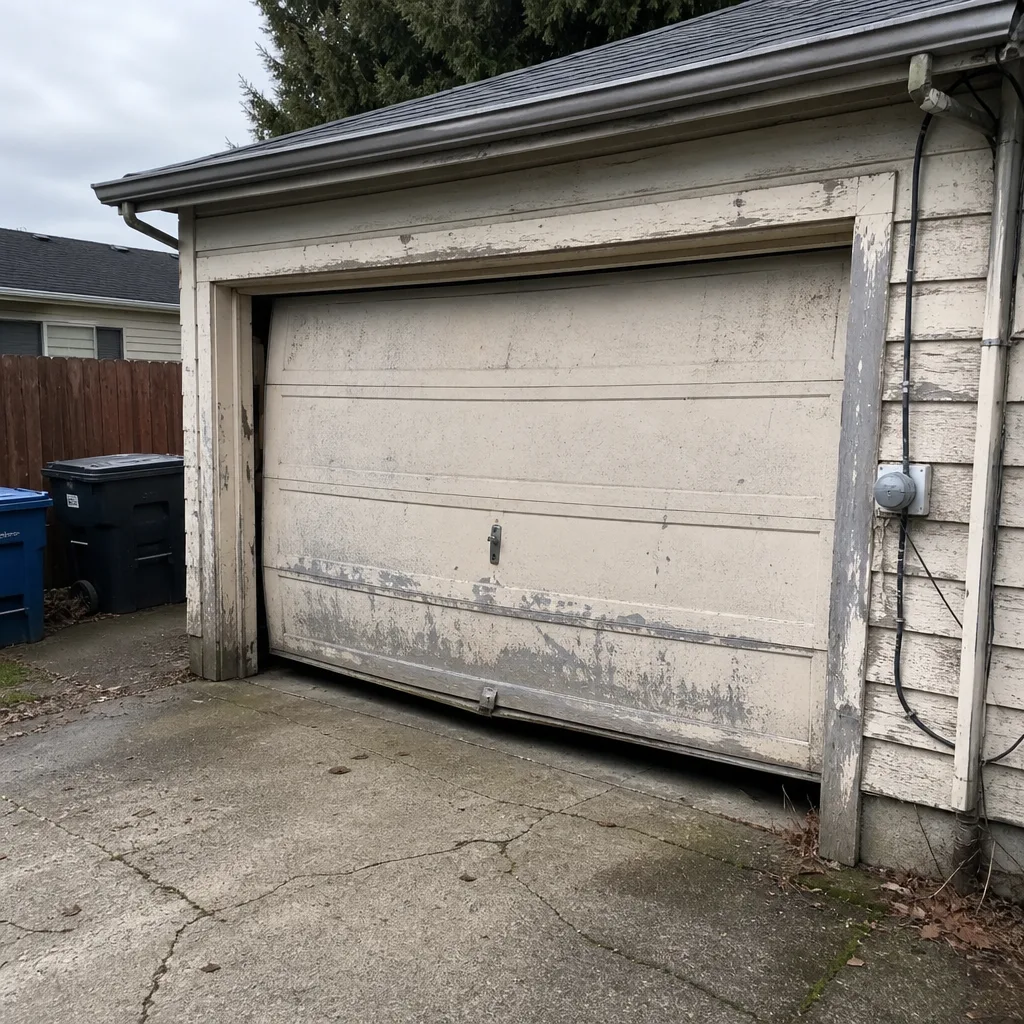 Before
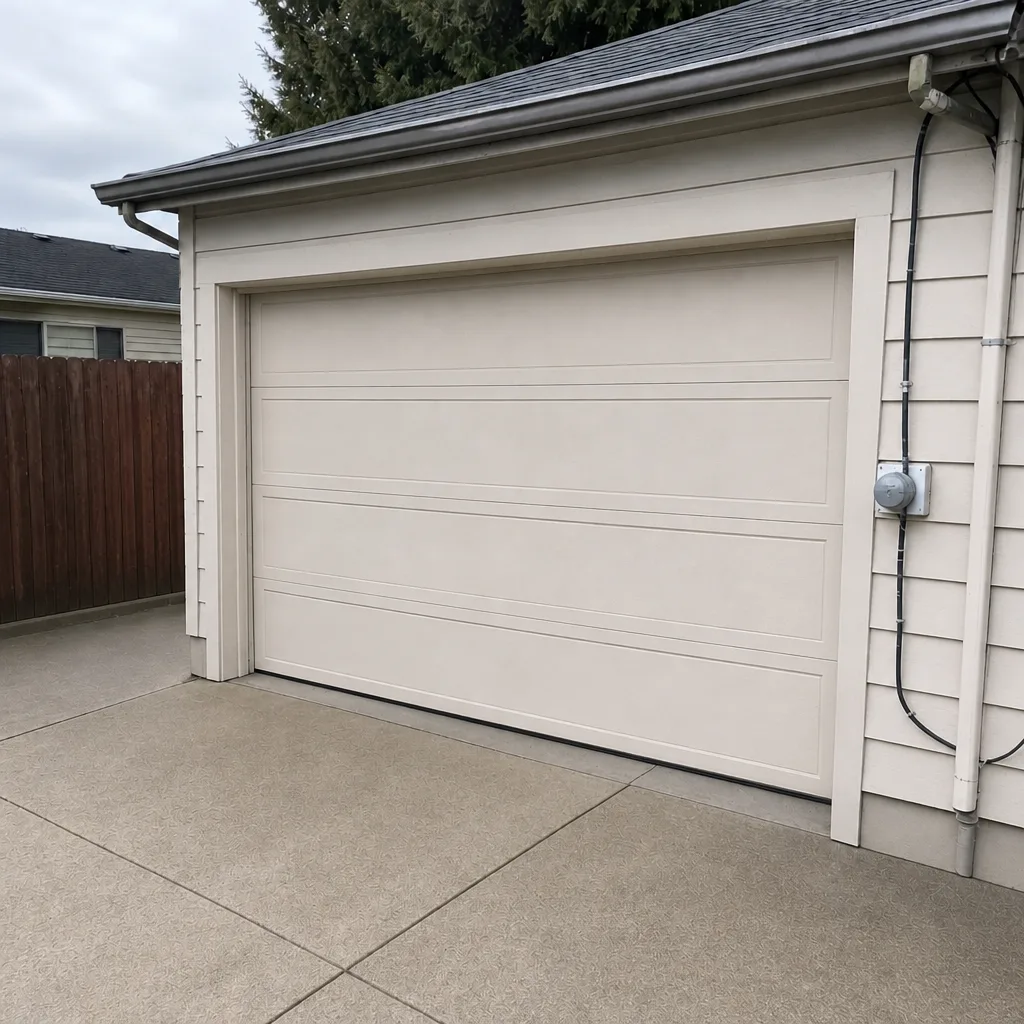 After
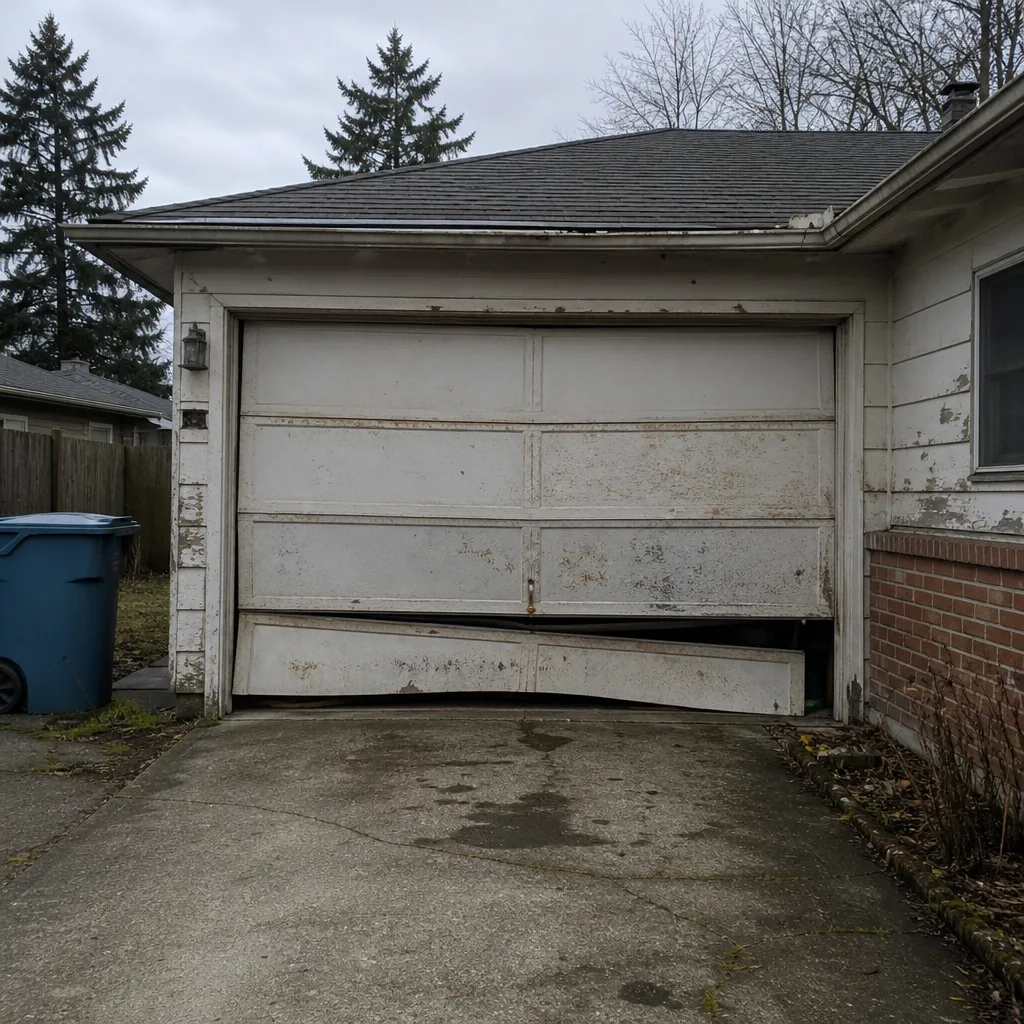 Before
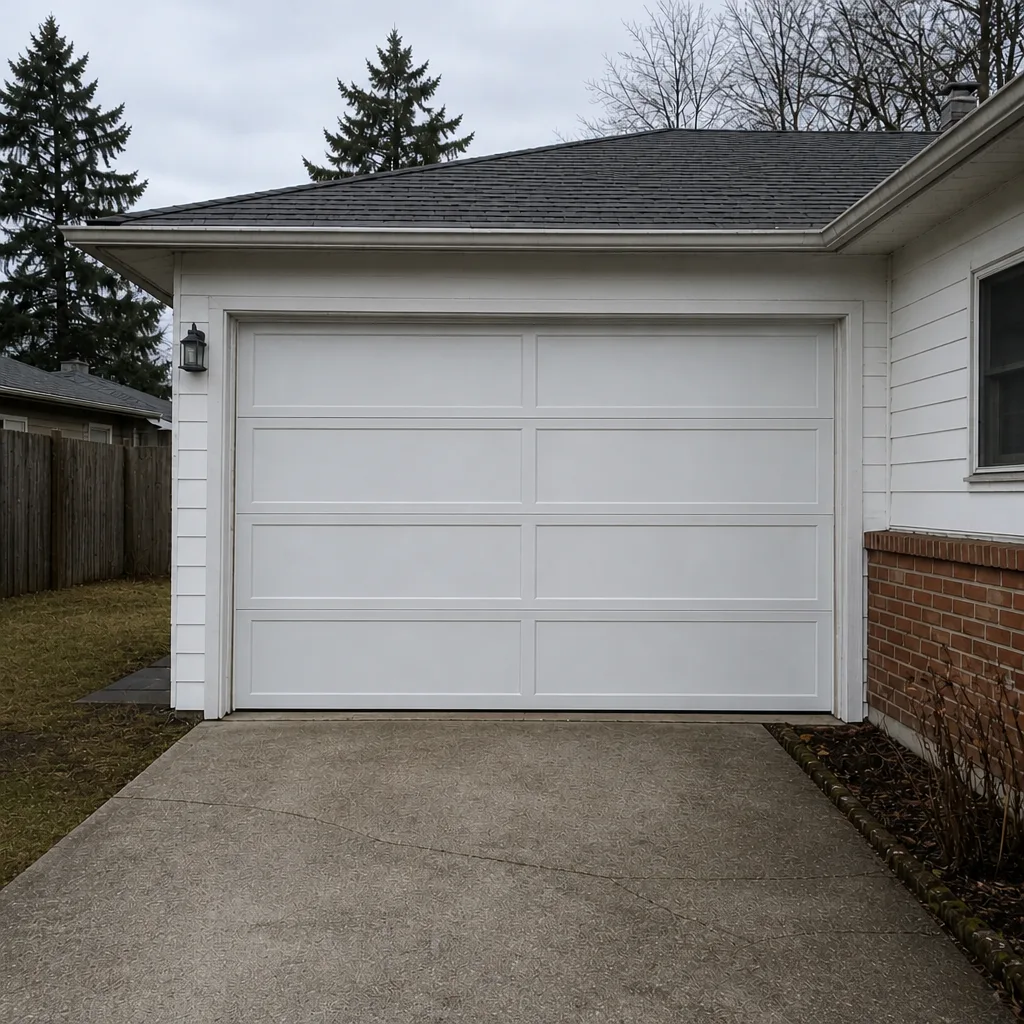 After
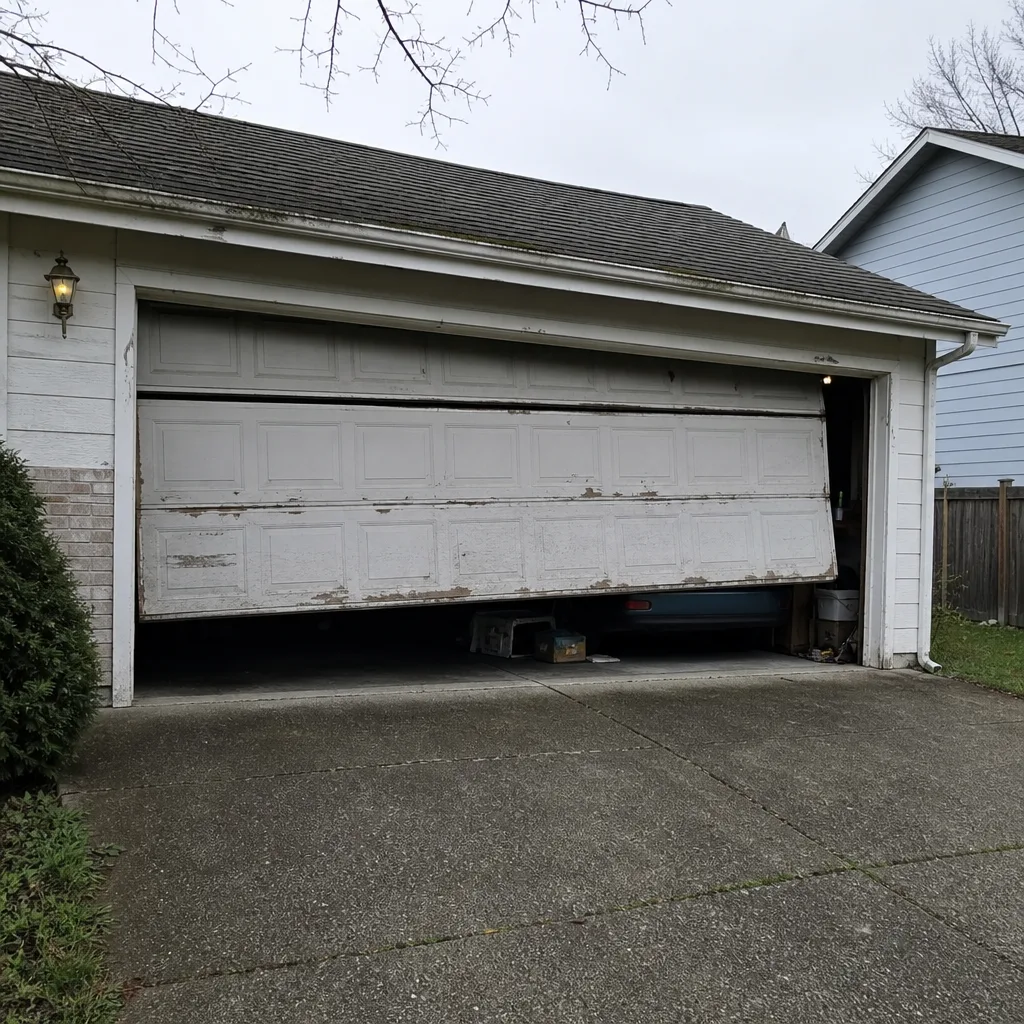 Before
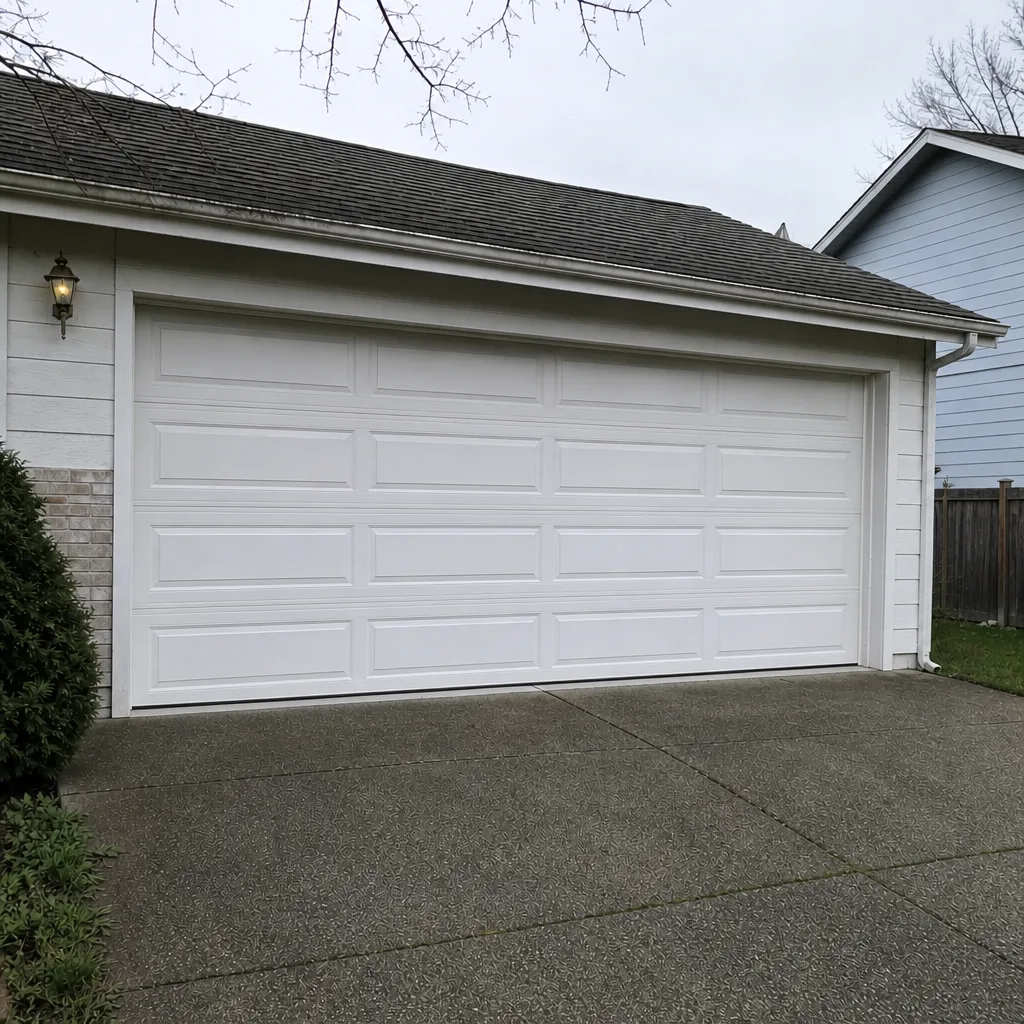 After
When to Call a Professional
Call a professional when the problem involves springs, cables, or anything under tension – no exceptions. Call us too when the door won’t open, won’t close, or reverses on its own; when the opener runs but the door doesn’t move; when the door is visibly off its tracks or sits crooked; when you notice rust or a gap in a spring; or when a door has failed in a way that leaves your home open or your car trapped. Those last cases are exactly what emergency service is for. Tacoma Garage Door Repair Experts offers free estimates in Tacoma – call (855) 658-4082. The price is quoted and agreed before any work starts, so you’ll know the number before anyone touches the door. Our technicians have up to 9 years of experience, and garage doors are all we do.
Frequently Asked Questions
Once a year is a reasonable baseline here, and it’s worth a closer look mid-wet-season for seals and springs. Tacoma’s rain and humidity wear bottom seals and springs faster than a dry climate, so a yearly check catches corrosion and cracking before they turn into a bigger job. Call (855) 658-4082 for a free estimate if it’s been a while.
A single spring replacement typically runs $180 to $340, and a matched pair is about twice the single-spring range because the pair is usually replaced together. The written estimate sets the final price, and it’s agreed before any work begins. Call (855) 658-4082 for an exact quote.
Yes – for repair and emergency calls we can often respond the same day, with fast dispatch from 7am to 7pm. A door that traps a car or leaves your home open is treated as urgent. Installation and replacement are scheduled work, so those are measured and quoted rather than same-day. Call (855) 658-4082.
Washington sits in an active seismic zone, so anchoring and bracing matter here, but the specific requirement for your home is set by local and state-adopted code. Ask your city’s building department what applies to your address, and have any installation or major repair account for seismic anchoring. Call (855) 658-4082 for a free estimate.
No – the price you’re quoted is agreed before any work starts, which means the technician confirms the scope and the number with you first. If a repair uncovers something different, you’ll hear about it and agree to any change before the work continues. Call (855) 658-4082 for a free estimate.
The local professional we connect you with is licensed and insured as their state requires, and our technicians have up to 9 years of experience. Garage doors are all we do, including spring, opener, and installation work. Call (855) 658-4082 for a free estimate.
The Bottom Line
Garage doors in Tacoma live in a specific environment: wet air that chews at seals and springs, older housing stock that makes standard sizes unreliable, and a seismic zone where anchoring matters more than most guides admit. If you take one thing from this guide, make it this – check the base and the springs first, measure before you order a door, and ask about seismic anchoring at estimate time. Repairs are quick and often same-day; replacements are measured, scheduled, and priced in writing before work begins. When in doubt, get a professional eye on it. Call Tacoma Garage Door Repair Experts at (855) 658-4082 for a free estimate.
Written by the team at Tacoma Garage Door Repair Experts.