Last updated November 23, 2026
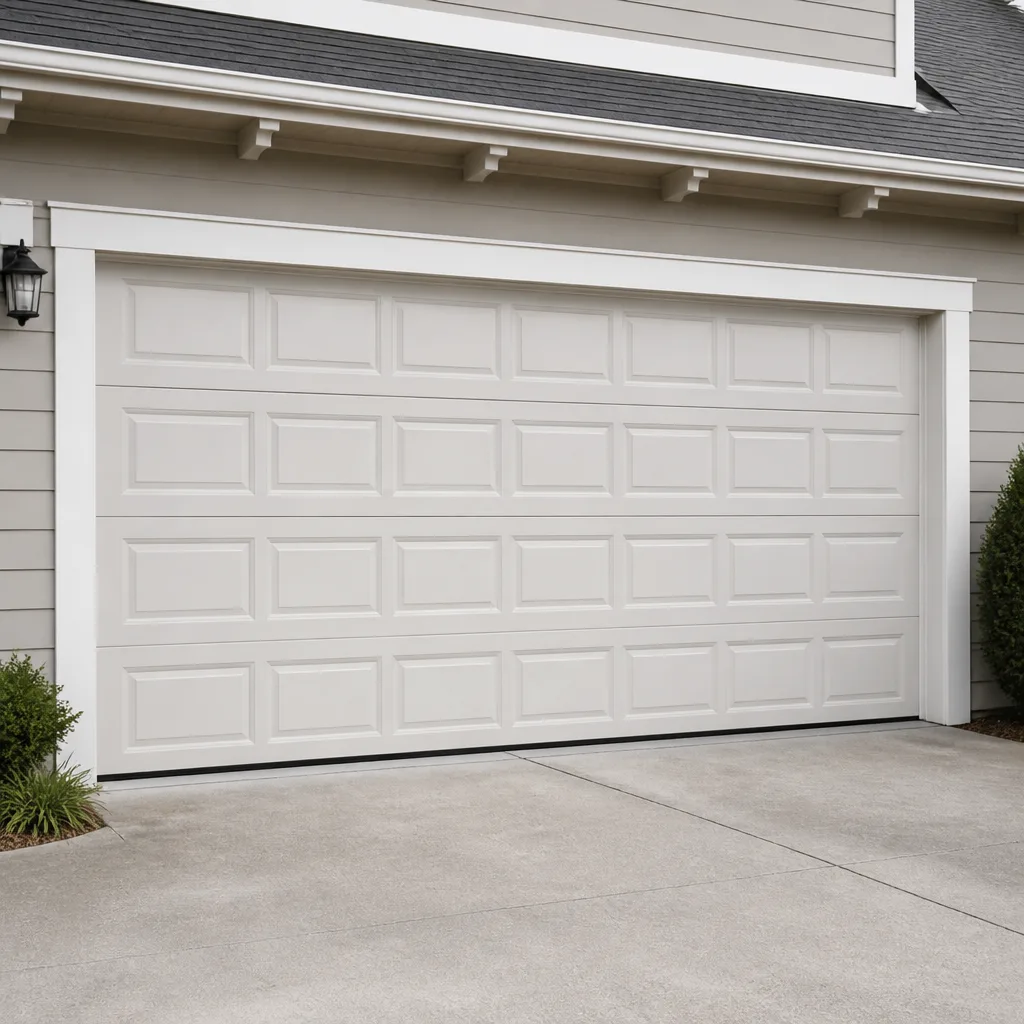 Raised-panel steel
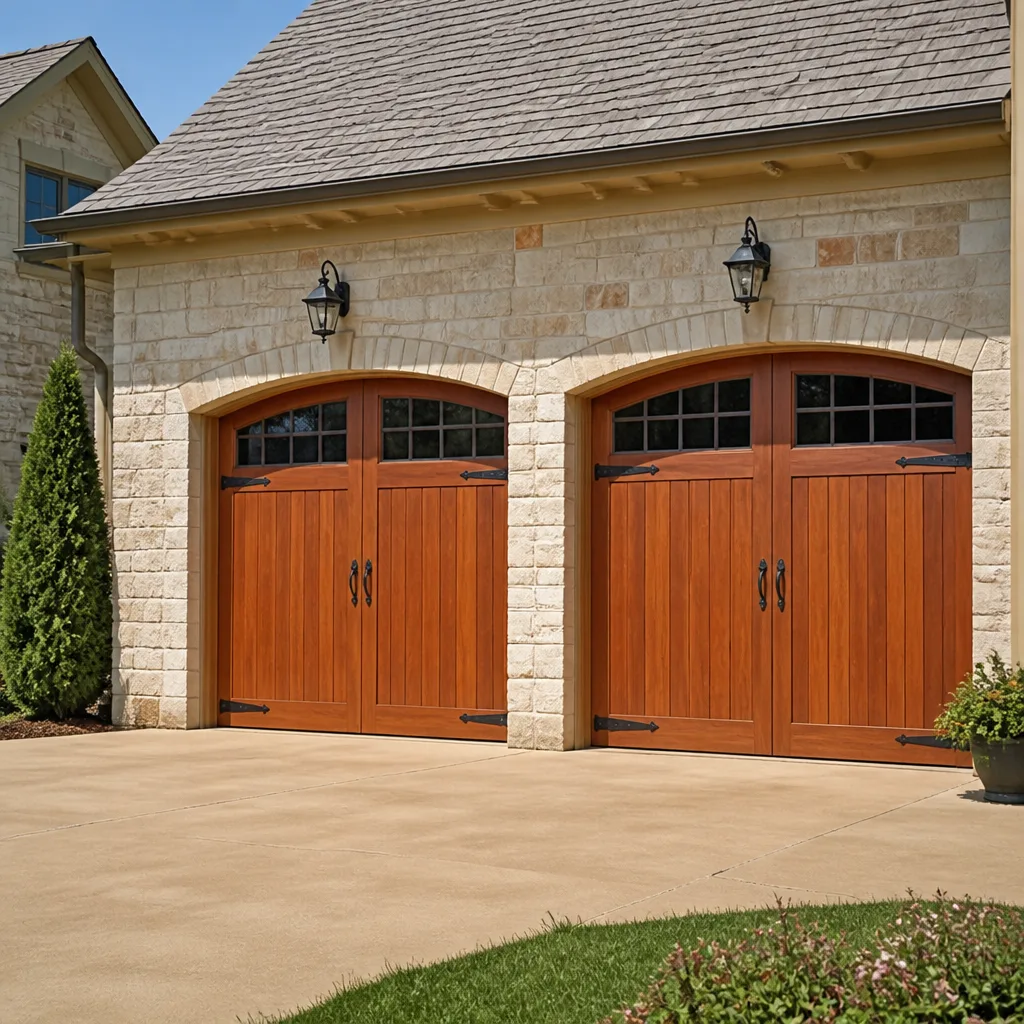 Carriage house
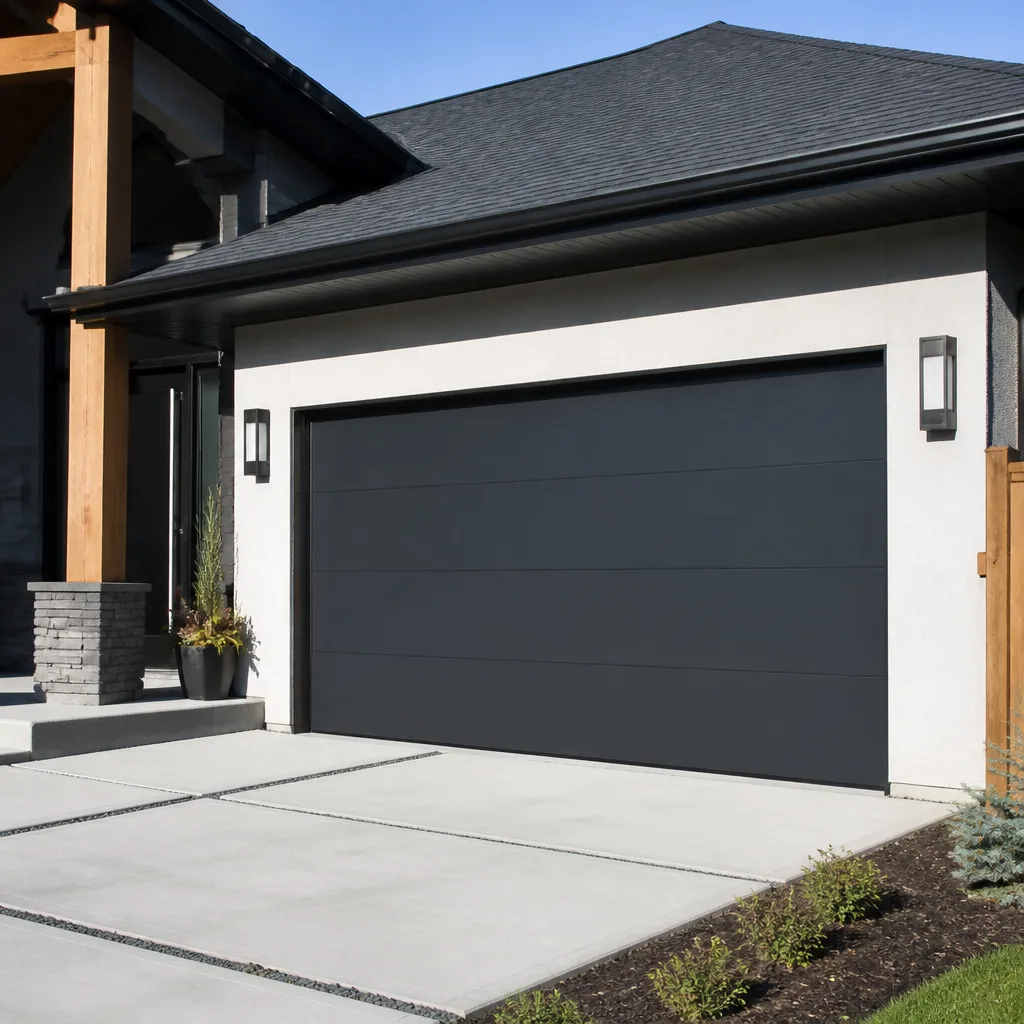 Modern flush
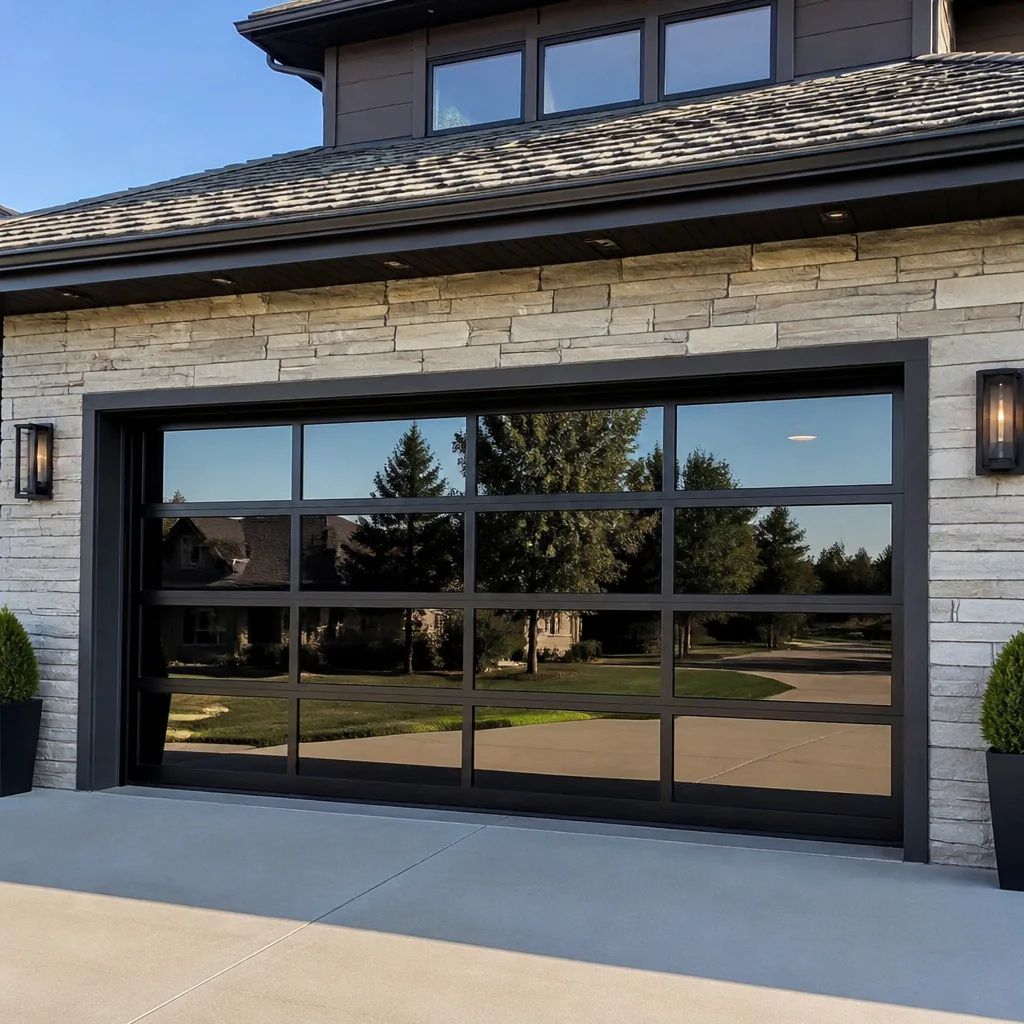 Full-view glass
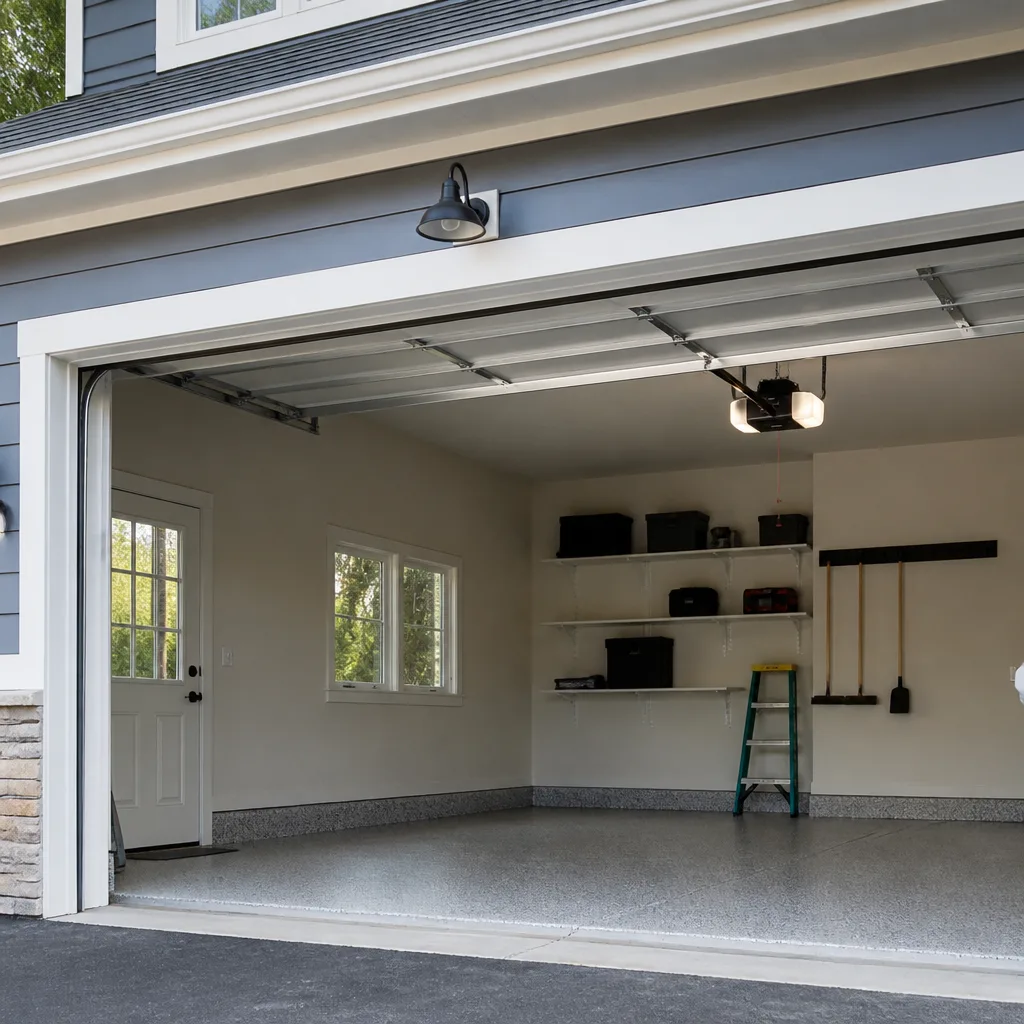 LiftMaster openers
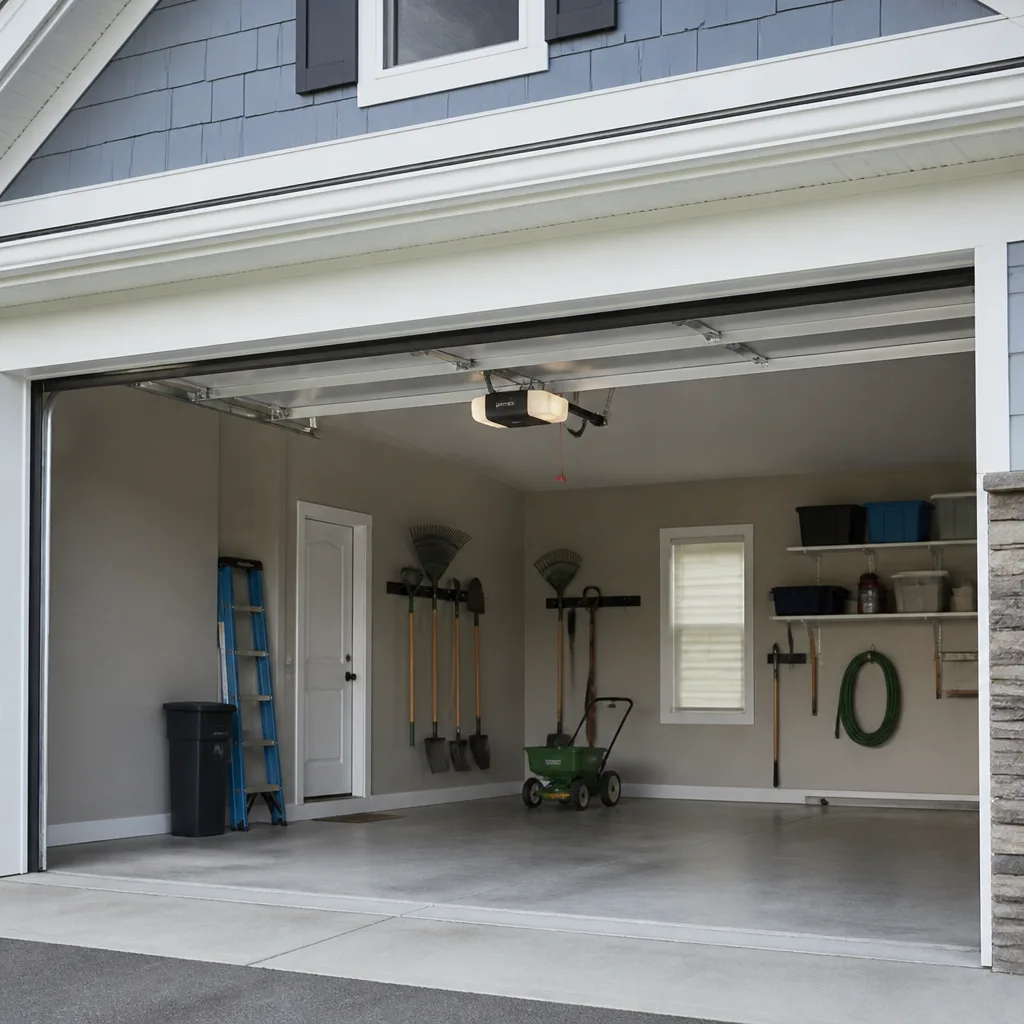 Chamberlain openers
Full 25-point door and opener safety check with every visit - springs, cables, rollers, tracks, and your LiftMaster or Chamberlain opener included
You get a price before we start. It does not change when the pro arrives.
Get your free estimateGarage Door Emergency Preparedness Guide for Tacoma Homes
When Tacoma loses power in a November windstorm, the homeowners who can’t get their car out aren’t dealing with a broken garage door. They’re dealing with an opener they never learned to manually release. That’s a five-second fix nobody taught them. The same gap shows up after a snapped spring or a door knocked off its track: the door failure is one problem, and not knowing what to do next is a second, slower problem. This guide separates Tacoma garage door emergencies into mechanical failures and event-driven failures, then gives each its own protocol. You’ll learn manual release, post-earthquake inspection, how to secure a door that won’t close, and what to say when you call for help.
Quick Answer
A garage door emergency in Tacoma usually falls into one of two categories: a mechanical failure (broken spring, snapped cable, door off track, opener dead) or an event-driven failure (windstorm damage, power outage, earthquake). Mechanical failures need a trained technician and often same-day service. Event-driven failures usually start with you: release the opener manually, inspect for damage before operating anything, and secure the opening. Knowing which category you’re in tells you whether to grab a flashlight or grab the phone.
Styles & brands we work with
- Raised-panel steel
- Carriage house
- Modern flush
- Full-view glass
- LiftMaster openers
- Chamberlain openers
Table of Contents
- The Two Kinds of Garage Door Emergencies in Tacoma
- How to Manually Release and Operate Your Garage Door in the Dark
- Post-Earthquake Garage Door Inspection for Washington Homes
- How to Secure a Garage Door That Won’t Close
- What to Tell an Emergency Dispatcher So the Right Technician Shows Up
- Two Things to Do Before Storm Season (No Service Call Needed)
- When to Call a Professional
- Frequently Asked Questions
The Two Kinds of Garage Door Emergencies in Tacoma
Most homeowners treat every garage door problem the same way: something broke, call someone. That works, but it skips a step that saves time and money. Mechanical failures and event-driven failures have different first moves, and mixing them up is where people get hurt or leave a house unsecured overnight.
Mechanical failures happen because a part wore out or failed under normal use. A torsion spring snaps after years of cycling. A cable frays and lets the door drop on one side. A roller jumps the track. An opener motor quits. These are the calls we handle most, and they almost always need a technician because the fix involves springs under extreme tension or a door that’s structurally out of alignment. Spring and cable work in particular is genuinely dangerous. A wound torsion spring stores enough force to cause serious injury, which is why we never walk a homeowner through replacing one.
Event-driven failures come from outside the door. A windstorm pushes a door off its track or peels a panel loose. A power outage leaves the opener dead with the car inside. An earthquake shifts the whole frame and knocks the door out of square. These start with a decision you make on the spot, not a part that failed.
- Mechanical: broken spring, snapped cable, bent track, dead opener, door stuck halfway. Call for service, and don’t force the door.
- Event-driven: no power, storm damage, quake damage, something struck the door. Secure the opening first, then decide whether you need a technician.
In Tacoma, the event-driven category leans heavily on wind and seismic activity. The South Sound gets strong fall and winter windstorms that take down trees and power lines, and the region sits in an active seismic zone. Both produce garage door failures that look nothing like a worn-out spring. Knowing which one you’re facing is the whole point of being prepared.
How to Manually Release and Operate Your Garage Door in the Dark
If your opener has no power, you can still open the door by hand. Every residential opener has a manual release, usually a red cord hanging from the trolley that rides the rail. Pulling it disconnects the door from the opener so you can lift it yourself. The catch is that most people have never done it, and doing it for the first time in a dark garage during a storm is a bad introduction.
The procedure is broadly the same across the openers we work on, including LiftMaster and Chamberlain units and older Craftsman models, though the release handle looks slightly different on each. Here’s how it goes for someone doing it cold:
- Find the release cord. It hangs down from the opener rail, usually red or red-tipped, near the center of the ceiling. Keep a flashlight where you can reach it.
- Pull straight down and toward the door. A firm pull releases the trolley. Don’t yank at an angle; pull in line with the rail.
- Lift the door slowly by hand. A properly balanced door should move with steady pressure and stay put when you let go about halfway up. If it slams down or is very heavy, stop. The springs may be compromised, and that’s a technician call.
- To reengage, close the door fully, then pull the release cord again or run the opener so the trolley reconnects. Test it before you rely on it.
One safety note that matters: never pull the manual release while the door is open if the springs are broken or the door is out of balance. A door with a failed spring can drop hard and fast. If the door feels unusually heavy or won’t stay up on its own, leave it down and call us at (855) 658-4082 rather than wrestling with it. We keep emergency service as a standing offering for exactly this, and we’d rather you wait an hour than risk a hand or a foot. If you’re dealing with a dead opener rather than a dead door, our garage door opener repair team can sort out whether it’s the motor, the logic board, or the safety sensor.
Post-Earthquake Garage Door Inspection for Washington Homes
After a significant tremor, don’t touch the opener button. A garage door that looks fine can be out of square, with rollers sitting half out of a bent track, and running the motor will make it worse or bring the door down. Western Washington sits in an active seismic zone, and garage doors are among the structures most likely to be shifted out of alignment by ground movement. The inspection takes a few minutes and protects you from a much bigger repair.
Check these before you operate anything:
- Look at the track. Stand back and sight down each vertical track. If it’s bent, bowed, or the gap between the door and the track is uneven, the door is out of alignment.
- Check the rollers. Every roller should sit fully inside the track channel. One popped out is a stop sign.
- Inspect the panels. Cracks, separated sections, or a door that sits crooked in the opening mean the door or frame moved.
- Look at the springs and cables. A gap in a torsion spring or a cable hanging slack means tension is gone. Don’t touch either one.
- Test the balance by hand. Only if everything above looks normal, disconnect the opener and lift the door partway. It should move smoothly and stay put.
Anything on that list that looks off grounds the door. Leave it closed if it’s down, or propped and blocked if it’s up, and have a technician inspect it before the motor runs again. This is one of the few situations where the right move is patience: a door that’s out of square and gets cycled can drop or tear its way out of the track. Our garage door repair team checks alignment and structural integrity as part of every post-quake inspection, and it’s worth calling even if you’re not sure. A bent track is a cheap fix early and an expensive one after the door eats it.
How to Secure a Garage Door That Won’t Close
A garage door stuck open is a security problem and a weather problem at the same time. Until a technician arrives, you need a solution that actually keeps the door from being lifted by hand or blown by wind, not something that just looks secure. Here’s what holds and what doesn’t.
What works:
- A C-clamp or locking pliers on the vertical track, clamped just above a roller, physically blocks the door from being raised. This is the strongest improvised option and the one we recommend.
- A sturdy bar or board wedged under the door edge from the inside, braced against the floor, prevents the door from being pushed up.
- Disconnect the opener and lower the door by hand to the floor if the door is balanced and the obstruction is minor, then leave it disconnected.
- A deadbolt-style slide lock or a padlock through the track adds a layer if your door has one installed.
What creates a security risk:
- Propping the door open with a chair or box. Those give way under pressure and offer no real resistance.
- Tying the door down with rope or cord. It looks secured and isn’t.
- Leaving the door up with the opener still connected and hoping the remote doesn’t get pressed.
If the door won’t close because something is in the path, check the safety sensors at the bottom of the tracks first; a misaligned sensor is one of the most common reasons a door reverses. If the door is jammed, off track, or the spring is broken, don’t force it down. Secure the opening from the inside with a clamp and call for service. Tacoma homes close to greenbelts and wooded lots deal with branches and storm debris in the door path more often than most, so a quick look for an obstruction is always step one.
What to Tell an Emergency Dispatcher So the Right Technician Shows Up
The difference between a fast fix and a second visit is often the information you give when you call. An emergency dispatcher is trying to figure out two things: what failed and what parts to bring. The clearer you are, the more likely the technician arrives with what’s needed the first time. We keep emergency service standing, not conditional, and part of making it fast is knowing what to load before leaving.
When you call (855) 658-4082, have these ready:
- Your door type and material. Steel sectional, wood, aluminum, single or double car. The material changes the parts and the approach.
- Your opener brand and model if you can see it. LiftMaster, Chamberlain, Genie, Craftsman, Raynor. The brand tells us which opener platform we’re dealing with.
- What actually happened. “Loud bang and the door won’t lift” points to a spring. “Door went up crooked and stopped” points to a cable or track. “No power to the opener” points to the opener or the outlet.
- Whether the door is up, down, or stuck partway. This is the single most important detail for safety and for what we bring.
- Whether a car is trapped inside. It changes the urgency and sometimes the approach.
- Your address and gate or access notes. Tacoma’s hillside streets and alleys aren’t all easy to find, especially at night.
A photo of the door and the opener sent with the call helps more than any description. If the door is stuck open and the house is exposed, say so plainly, and secure the opening with a clamp while you wait. If a spring has failed or a cable has snapped, keep everyone clear of the door and don’t run the opener. For a full breakdown of what’s involved in a spring fix, see garage door spring repair; that’s the call where getting the diagnosis right on the phone saves the most time.
Two Things to Do Before Storm Season (No Service Call Needed)
Most of the value of being prepared happens before the storm, and the two highest-impact moves cost nothing and take ten minutes. Neither requires a service call, and both make emergency response dramatically faster when the power goes out or the wind picks up.
1. Learn and test your manual release now. Find the red release cord on your opener and practice the sequence from the section above while the lights are on. Confirm the door lifts by hand and stays up when balanced. If it’s too heavy or slams, you’ve found a problem that’s worth fixing before it strands you. Knowing the release works, and that you can do it in the dark, turns a power outage from a crisis into an inconvenience.
2. Clear the door’s path and check the balance. Walk the area in front of and under the door and remove anything that could obstruct it: stored items, branches, kids’ toys, trash bins. Then check whether your door is balanced by disconnecting it and lifting it halfway; a balanced door stays put, a strained one falls. An out-of-balance door is a spring on its way out. Catching it early, before a November windstorm, means scheduling a fix on your terms instead of calling in a panic. Our garage door installation team also checks balance and alignment on new doors, so the same prep applies whether your door is old or new.
Neither of these means you should attempt spring or cable work yourself. It doesn’t. It means you’ll know your door’s condition and your own escape route before you need them, which is the whole point of preparedness.
Common Mistakes to Avoid
- Forcing a door with a broken spring. A door with a failed spring can weigh far more than it should and drop without warning. Running the opener or lifting it by hand risks serious injury; call a technician instead.
- Pulling the manual release with the door open and unbalanced. If the springs are compromised, releasing an open door can bring it down hard. Only release a balanced door, and only after checking it moves smoothly by hand.
- Running the opener after an earthquake without inspecting. A door knocked out of square will tear its way out of a bent track if the motor runs. Inspect first, then operate.
- Calling for emergency service without the opener brand. Telling us it’s a Raynor or Chamberlain opener, not just “a garage door,” lets us bring the right platform knowledge and parts the first time. This is the difference between one visit and two.
- Leaving a stuck-open door unsecured overnight. A chair propped against the door offers no real resistance. Clamp the track and call it in, especially on Tacoma’s wooded streets where a garage open to the alley is an invitation.
- Skipping the balance check until something breaks. An out-of-balance door is an early warning. Catching it before storm season means a scheduled repair instead of an emergency.
- Assuming a general handyman can handle spring work. Torsion and extension spring repair is safety-critical and outside the skill set of most general contractors. It’s a specialist job for a reason.
See the difference
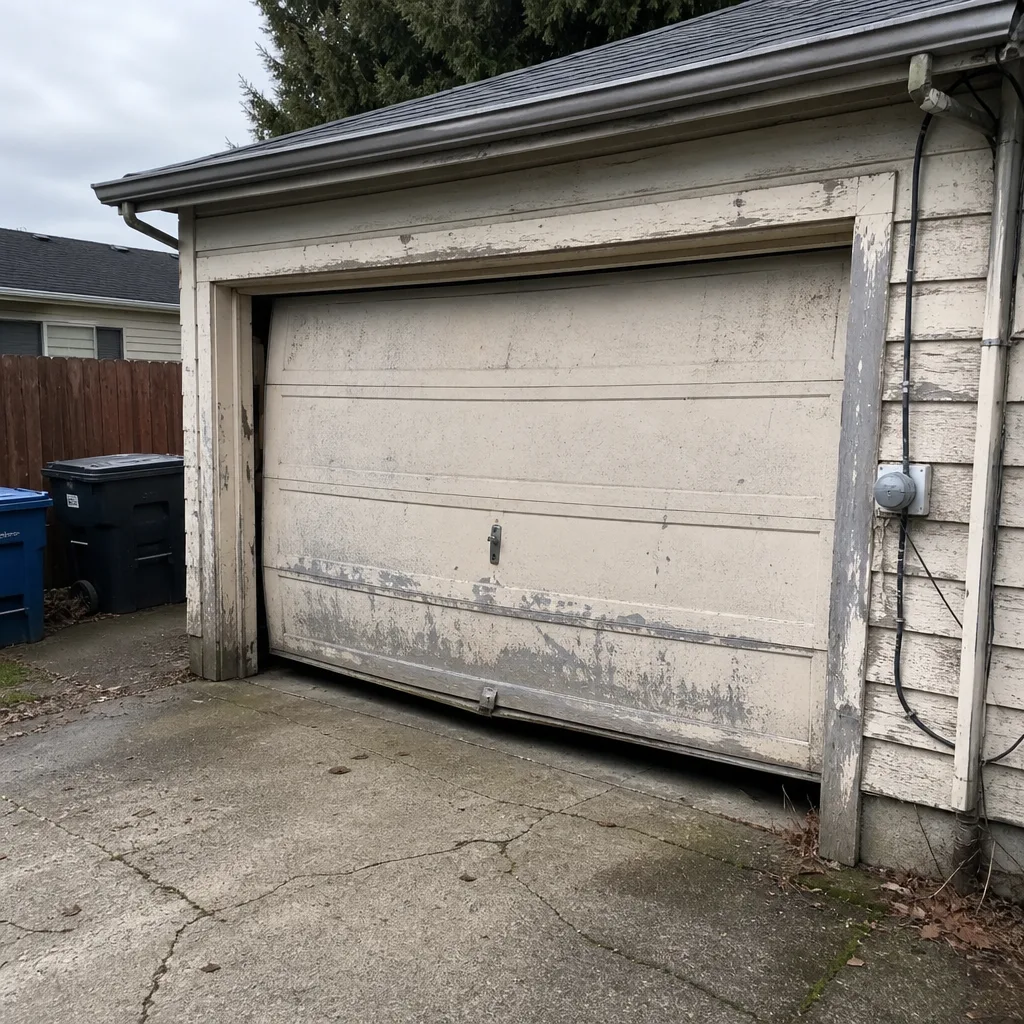 Before
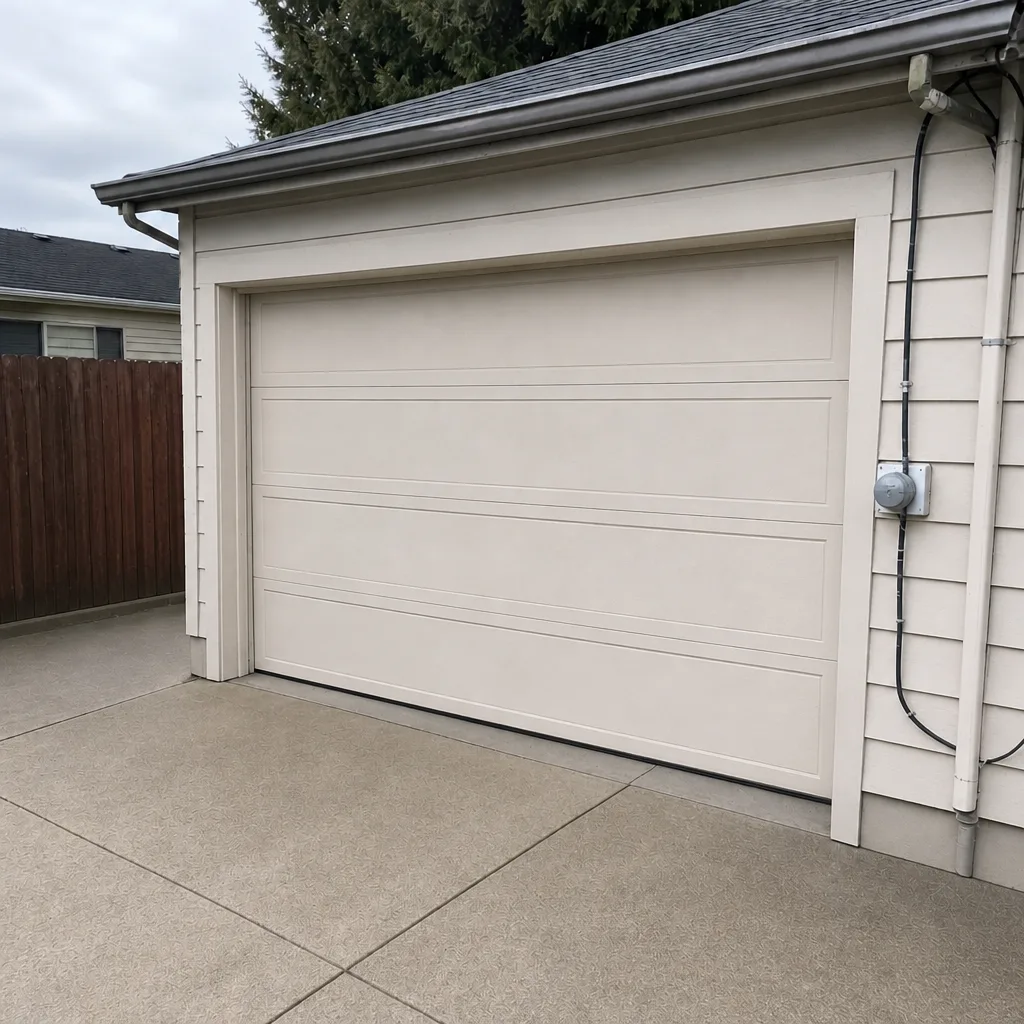 After
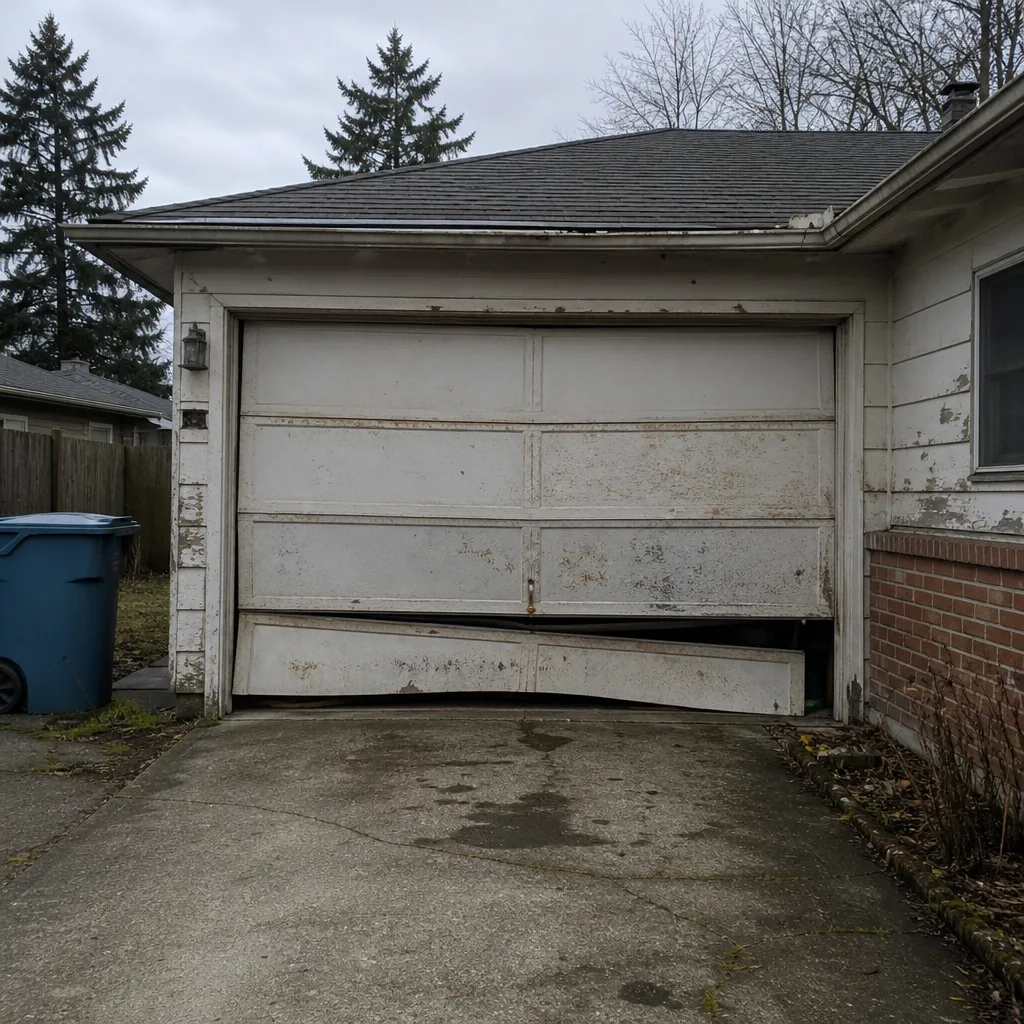 Before
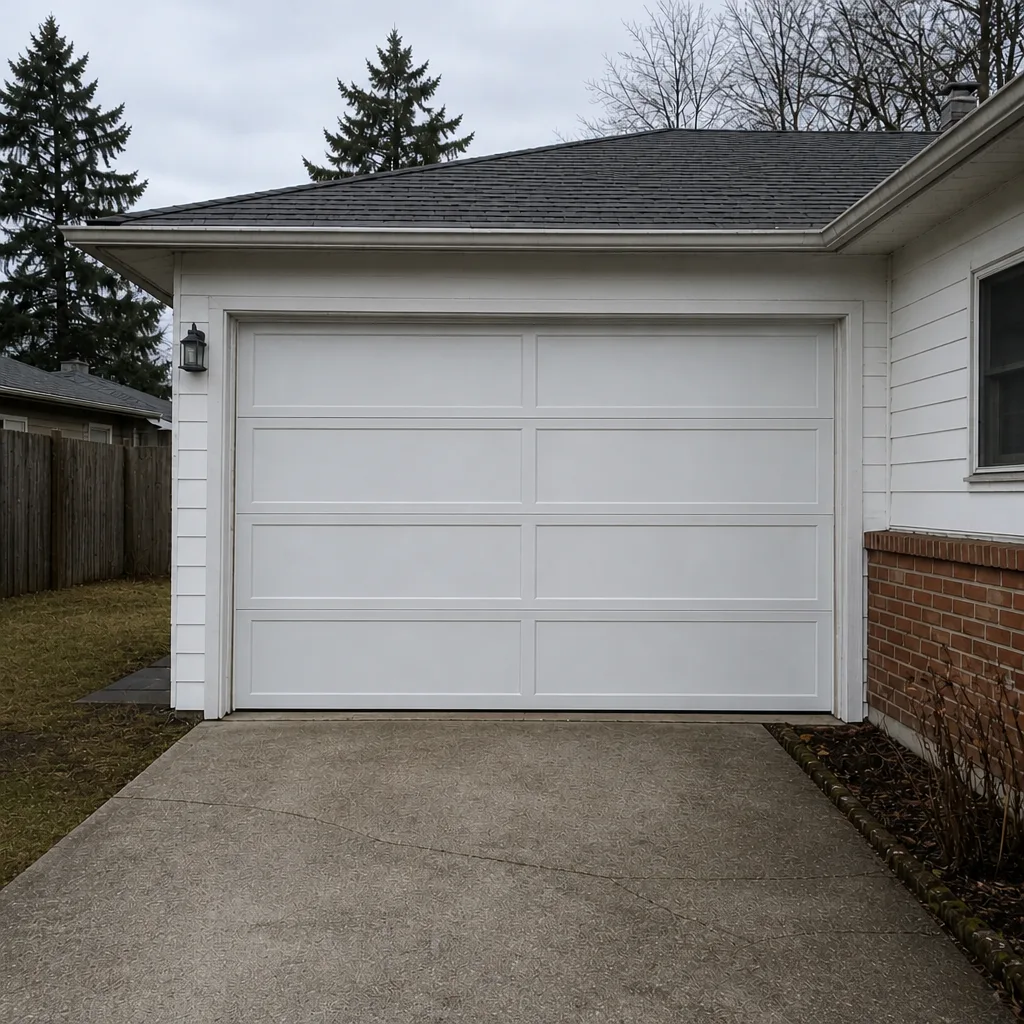 After
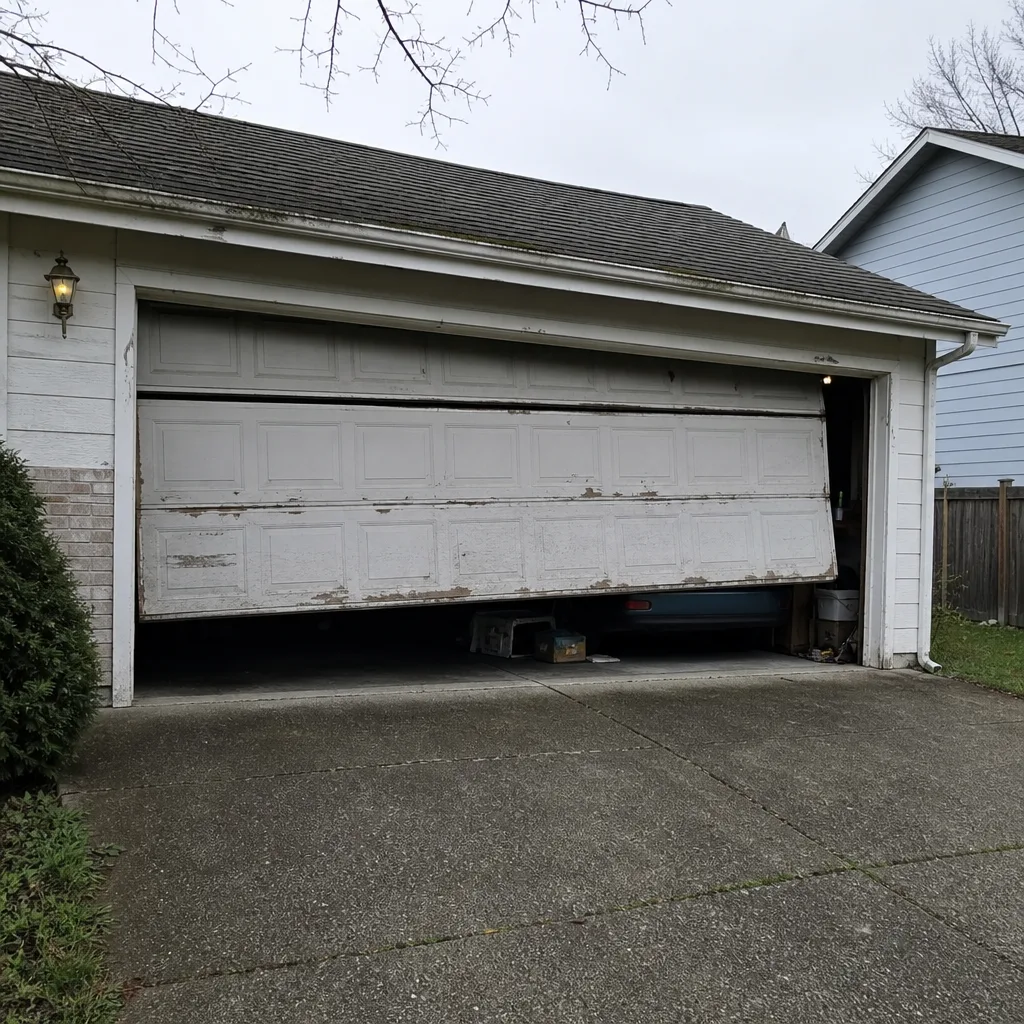 Before
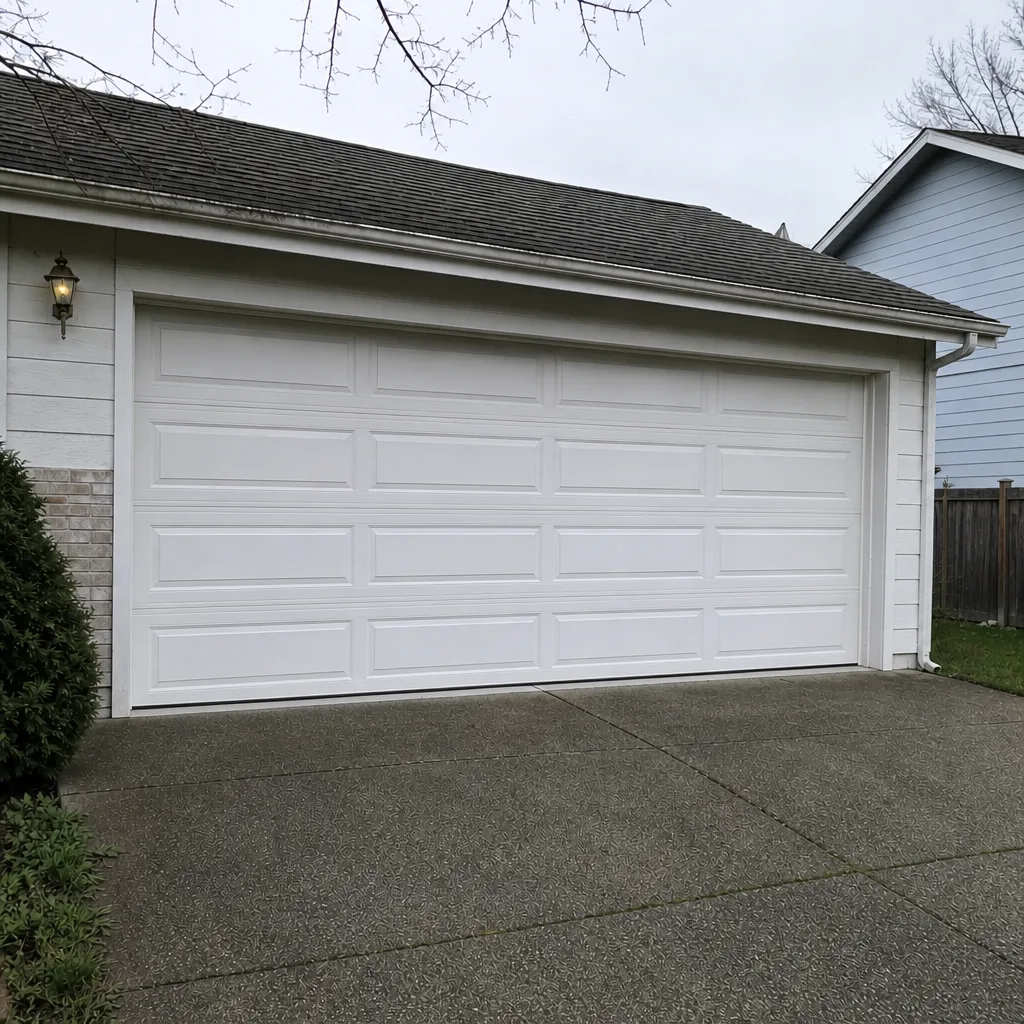 After
When to Call a Professional
Call a professional whenever the problem involves a spring, a cable, a track that’s bent or out of alignment, or a door that’s off its hinges or frame. Those are the failures where a mistake can mean injury, and where a specialist’s tools and training matter. Call immediately if a car is trapped, if the door is stuck open and the house is exposed, or if the door is hanging or has dropped on one side. For a stuck-open door with no obvious damage and a working manual release, you can secure it and schedule a visit on your own timeline. Tacoma Garage Door Repair Experts offers free estimates in Tacoma, and our technicians have up to 9 years of experience across the major door and opener brands. Call (855) 658-4082 to get a written price before any work starts.
Frequently Asked Questions
A garage door emergency is any failure that traps a car, leaves the home unsecured, or creates a safety hazard. That includes a broken spring, a snapped cable, a door off track, a door stuck open, or storm and quake damage. A dead opener with no power isn’t a true emergency if the manual release works, but it’s worth a call if the door is too heavy to lift safely.
In most cases, yes. Emergency service is a standing offering, and we handle time-sensitive failures where a car is trapped or the home is exposed with same-day response. Call (855) 658-4082, tell us what failed and whether the door is up or down, and we’ll get the right technician routed to you.
The price depends on what failed. A track realignment or a door back on its rollers costs less than a spring or cable replacement, which is the higher end because of the technical difficulty and safety risk. The written estimate is the price, agreed before any work begins. Call (855) 658-4082 for an exact quote – estimates are free.
No. We quote and agree on the price before any work starts, and that written quote is what you pay. If we open the door up and find something you didn’t know about, we tell you and adjust the scope with your approval before continuing, never after the fact.
The local professionals we connect you with are licensed and insured as their state requires, and they specialize in garage doors rather than general handyman work. We work across LiftMaster, Chamberlain, Genie, Clopay, Amarr, Wayne Dalton, Craftsman, and Raynor systems, so your brand gets the right part and the right diagnosis.
First, check the safety sensors at the bottom of the tracks and look for anything blocking the door’s path, since a misaligned sensor or an obstruction is the most common cause. If nothing is blocking it and the door still won’t close, disconnect the opener and lower it by hand if it’s balanced, then secure the opening with a clamp on the track. If the door is jammed or the spring is broken, leave it and call for service.
The Bottom Line
Tacoma garage door emergencies come in two flavors, and the first move is different for each. Mechanical failures like a broken spring or a snapped cable need a specialist and often same-day service. Event-driven failures like a windstorm outage or an earthquake start with you: know your manual release, inspect before you operate, and secure the opening. The two things that make everything easier cost nothing: practice the manual release now, and check your door’s balance before storm season. A door’s brand, from LiftMaster to Raynor to Craftsman, tells a trained technician what they’re walking into. When you need help, call (855) 658-4082 for a free estimate and a written price agreed before any work begins. Our technicians have up to 9 years of experience, and Tacoma Garage Door Repair Experts treats garage doors as the only job, not a side task.
Written by the team at Tacoma Garage Door Repair Experts.