Last updated November 23, 2026
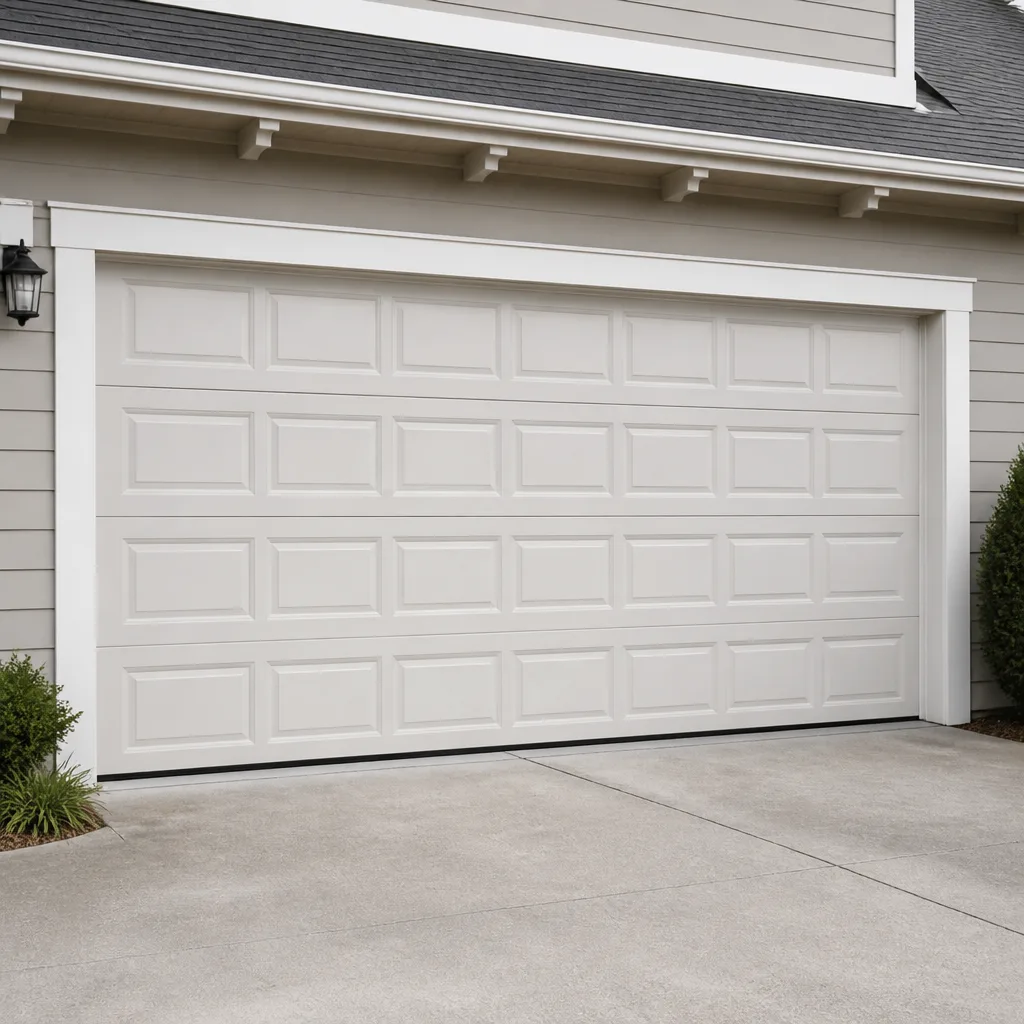 Raised-panel steel
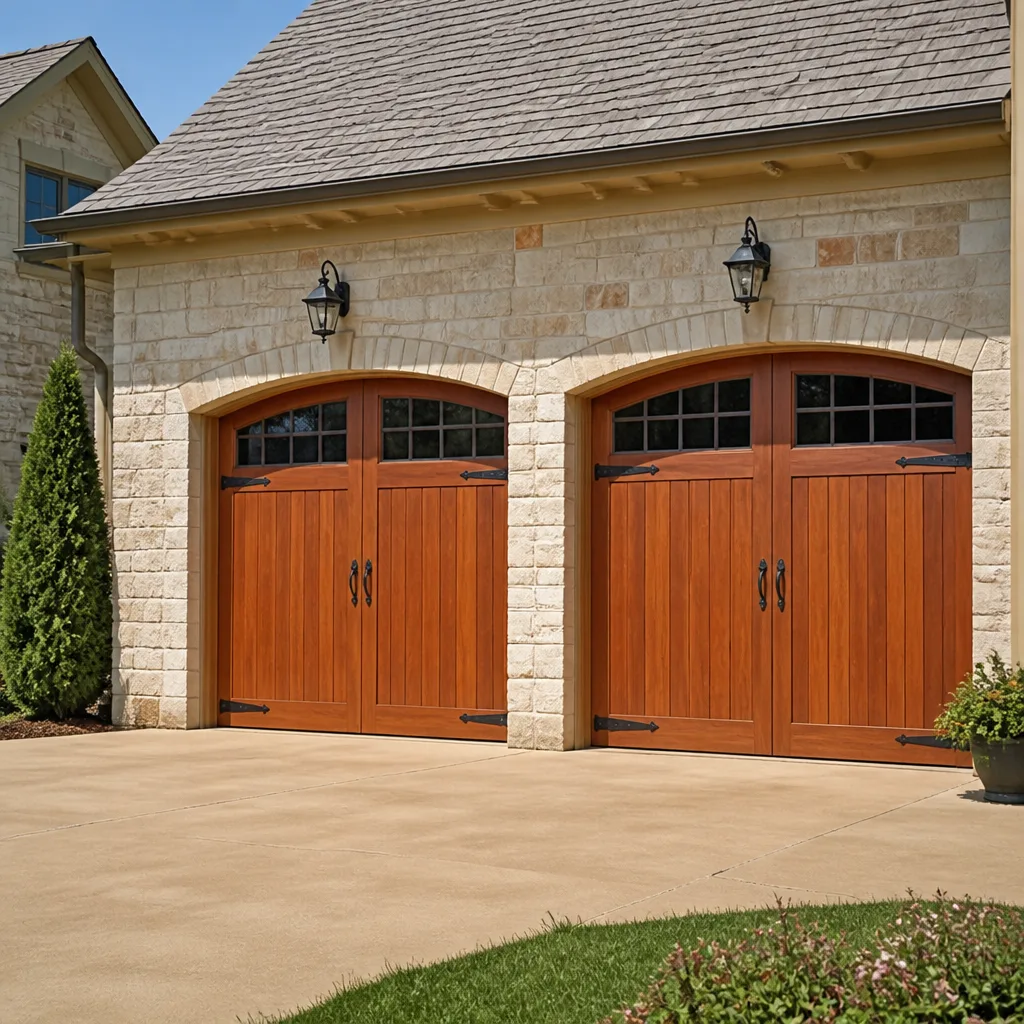 Carriage house
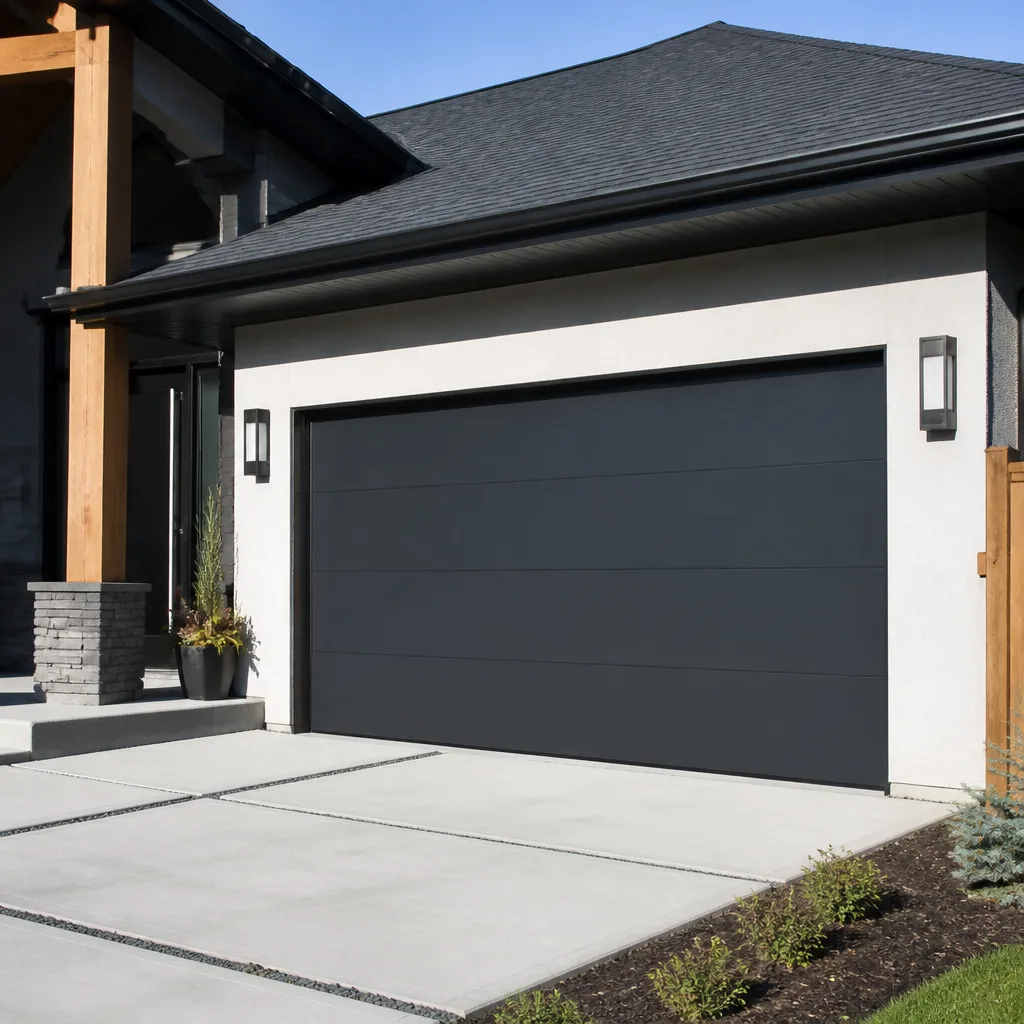 Modern flush
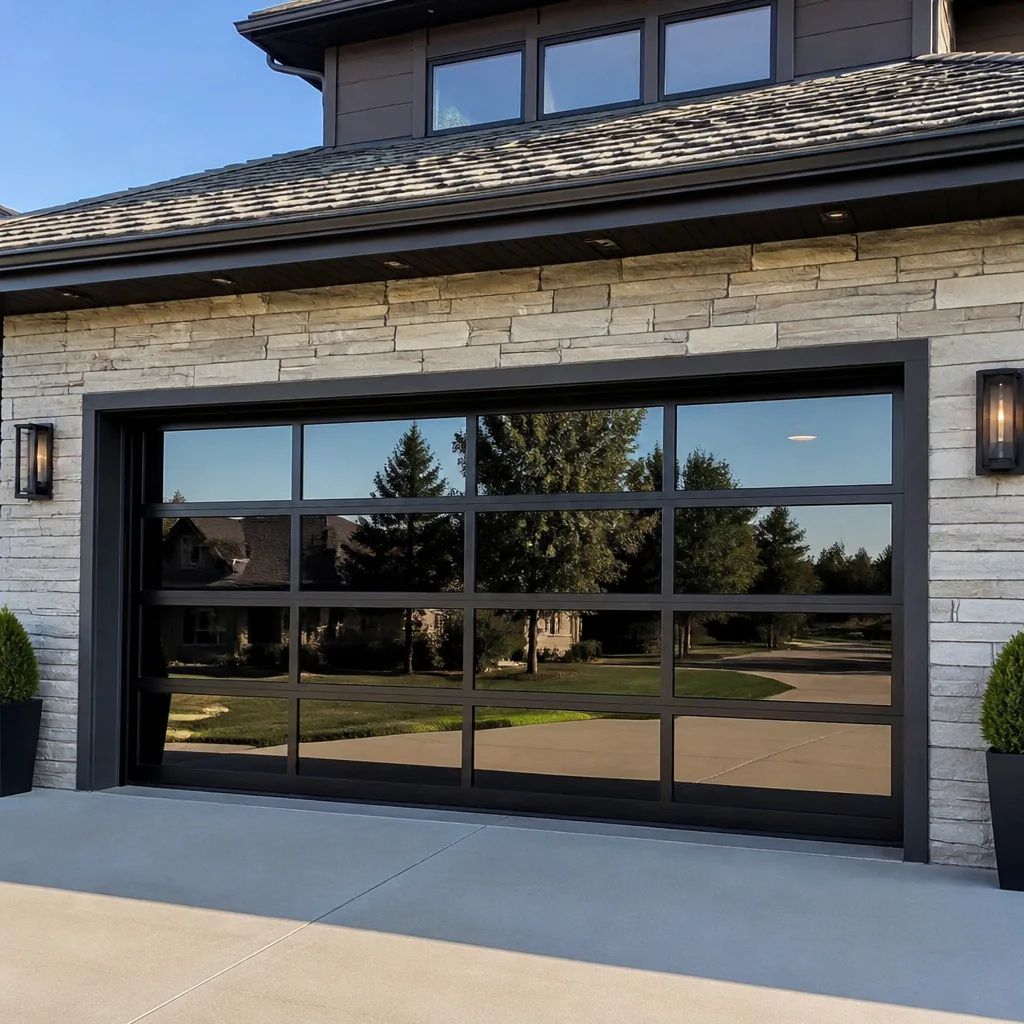 Full-view glass
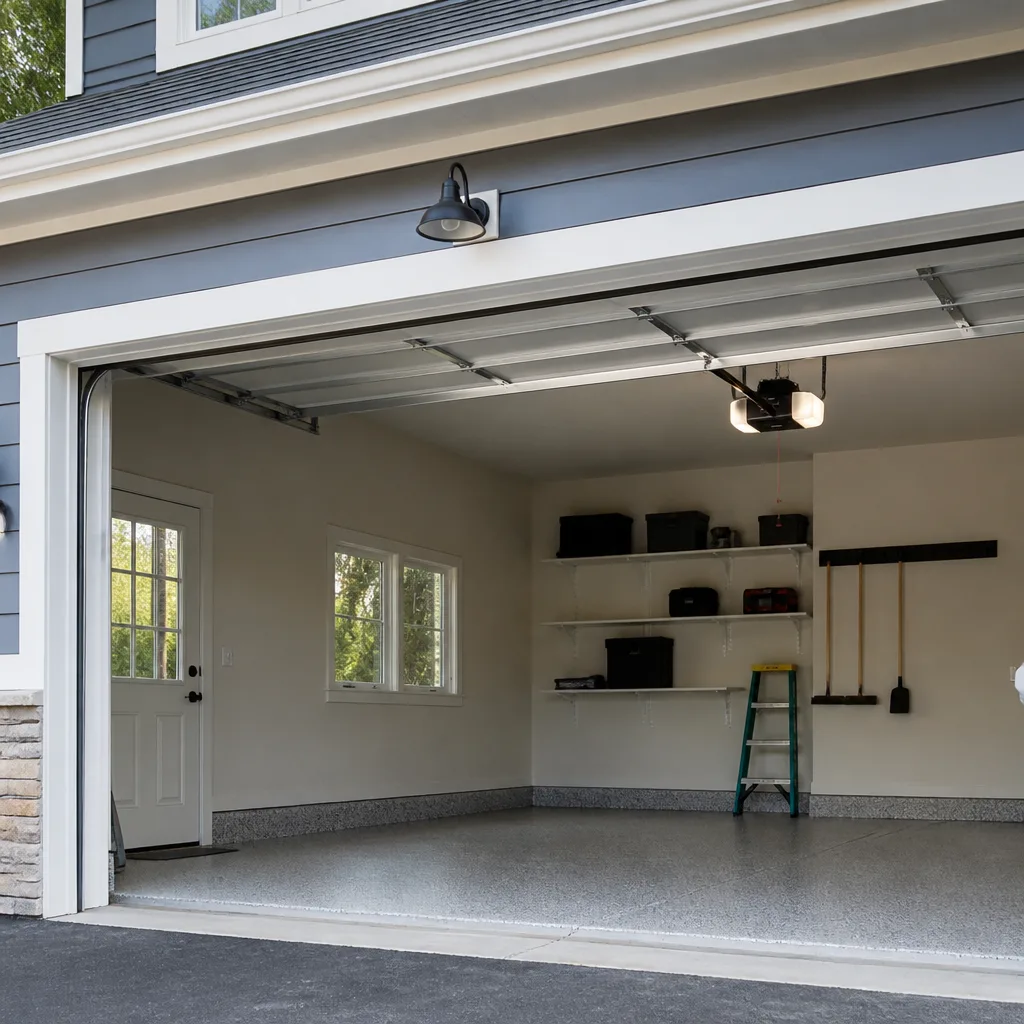 LiftMaster openers
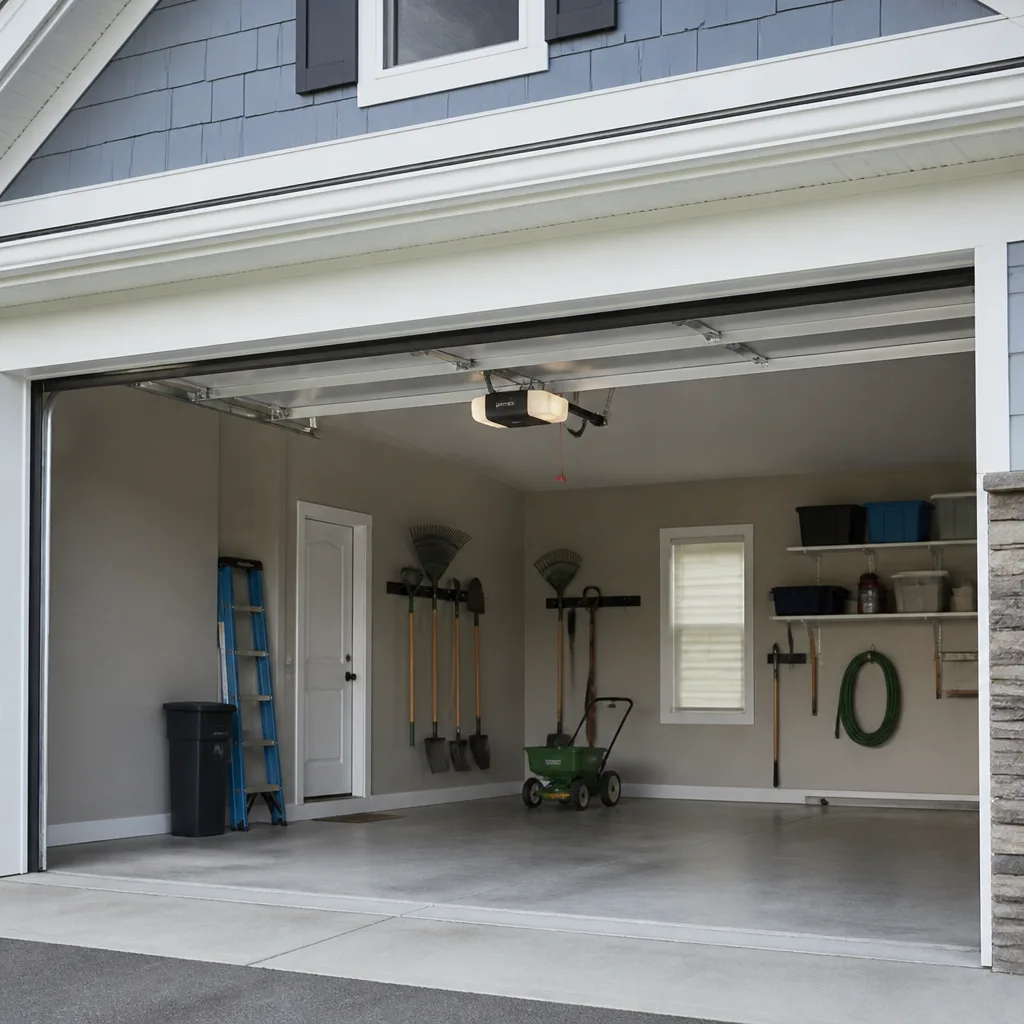 Chamberlain openers
Full 25-point door and opener safety check with every visit - springs, cables, rollers, tracks, and your LiftMaster or Chamberlain opener included
You get a price before we start. It does not change when the pro arrives.
Get your free estimateGarage Door Permits, Codes & Inspections in Tacoma, WA: What You Need to Know
Most homeowners assume a garage door is a simple swap: old door off, new door on, done. The permit gray zone around garage door work is where that assumption costs people. A full replacement is a structural change to an opening in your home’s envelope, and in Tacoma that usually means a City of Tacoma building permit and an inspection. A spring swap, by contrast, is a mechanical repair and doesn’t need one. The line between the two is what catches people: at a closing table when a buyer’s agent pulls the permit history, or after a job that looked finished until somebody asked for the sign-off. This guide draws that line clearly, from how Tacoma handles permits to the Washington State Energy Code rules on insulated doors and the seismic anchorage details that out-of-state installation guides skip.
Quick Answer
In Tacoma, a full garage door replacement usually needs a City of Tacoma building permit and inspection, while like-for-like repairs such as spring replacement, opener repair, or re-hanging an existing door generally don’t. Insulated door replacements must meet the Washington State Energy Code, and any new installation should include the seismic and lateral bracing Washington requires. When you’re unsure, call the City of Tacoma’s building department before the job and ask them directly.
Styles & brands we work with
- Raised-panel steel
- Carriage house
- Modern flush
- Full-view glass
- LiftMaster openers
- Chamberlain openers
Table of Contents
- Which Garage Door Work Needs a Permit in Tacoma?
- The Washington State Energy Code and Insulated Doors
- Seismic Anchorage and Lateral Bracing in Washington
- Garage Door Openers and the Electrical Inspection
- How the Inspection Process Works in Pierce County
- What Unpermitted Garage Work Does to Value and Insurability
- Permit History and Home Resale in Tacoma
- Step by Step: A Compliant Replacement from Start to Sign-Off
Which Garage Door Work Needs a Permit in Tacoma?
Start with the short version: structural change needs a permit, mechanical repair usually doesn’t. In Tacoma, replacing an entire garage door, replacing the door and its track system, or changing the size or configuration of the opening all fall on the permit side. Swapping one torsion or extension spring for a new one, replacing a roller, repairing an opener, or re-tensioning a door that’s out of balance falls on the repair side, and those jobs are done without pulling a permit.
Here’s how the split usually shakes out:
- Permit usually required: full door replacement, door plus track replacement, changing door width or height, replacing the header, framing a new opening, replacing a door with a differently rated model.
- Permit usually not required: spring replacement, opener repair, opener replacement on existing wiring, roller and hinge replacement, cable replacement, re-hanging an existing door, weatherstripping.
- Ask the city: replacing a non-insulated door with an insulated one when the opening itself doesn’t change, or converting a manual door to an opener on existing circuits.
The gray zone is real. Two Tacoma homeowners with similar-looking jobs can end up with different answers because what matters to the city is whether the change touches the structure, the energy envelope, or the electrical system. That’s why the first step on any replacement is a call to the City of Tacoma’s building department, not to a product catalog. Give them the door size, the change you want made, and the energy rating of the new door, and they’ll tell you what they expect.
Where homeowners get into trouble is treating “like-for-like” as an automatic pass. A door of the same size and the same model is more likely to be treated as a replacement without structural review, but an upgrade to a heavier insulated door on the same opening can still trigger questions about the header, the anchoring, and the energy code. If you’re planning a full replacement rather than a repair, it’s best to sort the permit question before you buy the door. Our garage door installation work starts with that conversation because the answer shapes what product you can put in the opening.
The Washington State Energy Code and Insulated Doors
If your garage is attached, conditioned, or shares a wall with living space, the door is part of your home’s thermal envelope. That puts insulated garage door replacements under the Washington State Energy Code (WSEC), which sets minimum thermal performance for the door itself. The rule doesn’t apply the same way to a detached, unconditioned garage, and it doesn’t apply at all to a repair on an existing door. It bites when you’re replacing the door.
What this means in practice:
- Pick a door rated for the envelope. Insulated doors carry a thermal performance rating, and the door you buy for a conditioned garage has to meet the WSEC threshold for that assembly. Cheap non-insulated doors on a conditioned garage can push the job out of compliance.
- The rating is part of the permit conversation. When you submit a replacement for a conditioned garage, expect the city to want the door’s rating on the paperwork. Bring the spec sheet.
- Product selection changes. A polyurethane-filled door with a higher rating will typically meet the code where a basic polystyrene door may not. That narrows the field, and it’s why picking the door before the permit question is backwards.
- Existing doors don’t have to be upgraded. WSEC is a replacement rule, not an order to retrofit. If your door is functioning and insulated enough, you don’t have to touch it.
For Tacoma homes built in the middle of the last century with an attached, single-car garage, the practical move is usually to step up to an insulated door when the old one fails. It’s not a big jump in cost compared with the labor of doing the job twice, and it keeps the replacement on the right side of the code. The brands we work with most often, Clopay and Amarr, both publish thermal ratings on their product lines, so the number you need for your permit submission is on the spec sheet rather than buried somewhere in a showroom binder.
Seismic Anchorage and Lateral Bracing in Washington
This is the section most garage door installation guides skip. A garage door is a big, tall, relatively flexible panel hanging in a wide opening, and in an earthquake it can be the first thing to go. Washington’s seismic requirements for garage doors focus on keeping the door, its track, and the header connection anchored when the ground moves. The details live in the state’s building code, adopted locally by Pierce County and the City of Tacoma, and they call for specific anchoring at the track brackets and specific lateral bracing against the header and jambs.
What a compliant install involves:
- Anchor bolts, not lag screws, at the track brackets. The track has to be fastened into solid framing, not just the drywall or sub-sheathing, using anchors rated for the loads.
- Lateral bracing. The track and header interface needs bracing designed to resist movement side to side, not just back and forth.
- Correct jamb and header condition. The framing has to be sound enough to accept the anchorage. Rot, splitting, or a compromised header undercuts the anchor, no matter what bolts you use.
- Header reinforcement where the opening is wide. A wide door on a narrow or under-framed header needs reinforcement before the door goes up.
Out-of-state installation guides written for a Midwest or Southern climate often treat anchorage as a guideline rather than a code requirement. In Tacoma, it’s a code requirement, and it’s one of the reasons a permit on a full replacement is worth having. The inspector isn’t just checking that the door moves; they’re checking the anchorage that keeps the door where it belongs when the wall shakes. Our technicians have up to 9 years of experience with frameless and framed installations in Pierce County and know what an inspector is going to look at. Getting the anchorage right the first time is far cheaper than a failed rough-in followed by a re-inspection.
Garage Door Openers and the Electrical Inspection
An opener on an existing circuit is a repair. An opener with new wiring, a new dedicated circuit, or a new outlet in the garage is an electrical permit job, and that’s a different inspection from the building inspection. The two don’t always run together, and mixing them up is one of the most common ways a Tacoma garage door job stalls.
Here’s how the electrical piece usually looks:
- Existing circuit, existing outlet: replacing an opener on the same wiring typically needs no electrical permit. LiftMaster, Chamberlain, and Genie openers can all be swapped on existing household wiring by a garage door technician.
- New circuit or new outlet: this needs an electrical permit and a separate inspection, usually by a licensed electrician. Don’t have the door installer run the new circuit if they aren’t licensed for it.
- GFCI protection. A garage outlet needs ground-fault protection, and the inspection will look for it. If your existing garage circuit is on a plain receptacle, an opener install with a new drop can be flagged on that alone.
- Smart opener and low-voltage accessory wiring. The low-voltage wiring for a myQ-compatible Chamberlain or LiftMaster, safety sensors, and wall controls is typically part of the opener install. The permit and inspection answer here is about the line voltage side.
A failed rough-in for an opener circuit usually comes down to one of three things: the missing electrical permit, a garage outlet without ground-fault protection, or an open-air connection somewhere between the panel and the opener. Each of those gets flagged at the rough-in stage, before the drywall or ceiling gets closed up, and that’s the point. If your install involves new electrical, get the electrical permit pulled first and have the rough-in inspected before the ceiling goes back. The door itself can be installed, adjusted, and balanced while the electrical rough-in is being scheduled.
How the Inspection Process Works in Pierce County
In Tacoma, garage door replacements are inspected in two phases, and the way those phases are sequenced matters. A rough-in inspection happens after the framing, anchorage, and electrical rough are in place but before everything is closed up. A final inspection happens after the door is hung and operating, and that’s where the door’s balance, travel, and safety reverse get checked. Between those two points, there’s usually a lot of waiting, so plan the schedule accordingly.
A typical sequence looks like this:
- Permit submitted. The application goes to the City of Tacoma with the door spec, the energy rating, and the proposed anchorage details. Processing takes what it takes; plan for the review to run before the door is ordered.
- Permit issued. Don’t order the door before this point if timing matters. A door sitting in a garage through a stalled permit review is a door you can’t install.
- Rough-in inspection (if applicable). Frame, anchorage, and electrical rough are inspected before the door and ceiling go up. This is where a missing permit or an anchorage problem shows up.
- Door installation. The door goes on, with the track, springs, and opener. Balance and safety reverse are set during install.
- Final inspection. The inspector checks the completed door against the permit. Balance, travel limits, and the safety reverse are the usual focus areas.
One Tacoma-specific wrinkle: the inspection schedule and the install schedule are separate calendars. If the door fails final inspection for balance or for a safety reverse that stops too late, you’re looking at an adjustment and a re-inspection, not a rebuild. That’s why the adjustment should happen during the install, with the technician checking balance and reverse before the final visit. Our garage door repair work routinely includes that pre-inspection adjustment on jobs where the homeowner is handling the permit themselves and needs the door to pass on the first look.
What Unpermitted Garage Work Does to Value and Insurability
Unpermitted garage work is one of those problems that hides quietly until it surfaces in the two places it matters most: a sale and a claim. When a buyer’s agent pulls the permit history for the home and sees a replacement with no record, the question becomes whether the door is structurally sound, whether the anchorage meets code, and whether the energy rating is what it should be. None of those answers are on paper, and every one of them costs money to verify.
The practical consequences:
- Insurance review. An unpermitted structural change can become an issue in a claim if an insurer decides the work wasn’t done to code. That’s not a hypothetical; it’s a review point. Ask your insurer how they treat unpermitted garage work before you need to know.
- Resale friction. A buyer who sees a newer door with no permit history can negotiate down, request a retroactive inspection, or walk. The cost of the permit is small; the negotiating position lost to a missing permit is not.
- Code verification. A permitted installation carries an inspection record. An unpermitted one carries the installer’s word. When you sell in a market like Tacoma’s, where buyers are already careful, the record is worth having.
- Anchorage uncertainty. If you bought a home with a garage door of unknown provenance, the seismic anchorage is the thing you can’t verify by looking. A permitted installation means an inspector looked; an unpermitted one means nobody did.
None of this means the sky falls. It means the permit is the cheap part. The expensive part is discovering, at the wrong moment, that the work isn’t on record. The same logic applies to a Tacoma home with an older door that was replaced a decade ago by a previous owner. If the permit history doesn’t show it, it’s worth a look at the anchorage and the door balance, even if you aren’t selling. When a repair turns into a replacement conversation, our garage door repair team can flag whether the old installation has the anchorage a permit would require, so you know before it matters.
Permit History and Home Resale in Tacoma
Tacoma’s housing stock is old enough that a lot of garage doors were replaced under an earlier owner with no record. That’s a known reality in the market, and buyers’ agents know it. What they do with that knowledge varies: some requests for a disclosure, some request a retroactive inspection, some ask for the door to be re-permitted before closing. The one thing they don’t do is ignore it.
Three things help here:
- Keep your paperwork. The permit number, the inspection card, and the door spec sheet are one small folder. If you replace a door, keep them together. It’s the same folder a future buyer’s agent will ask for.
- Repairs are not on the permit history. A spring replacement or opener repair won’t show up, and it doesn’t need to. Don’t let a buyer conflate the two. The service record is what shows the repair history.
- A pre-sale inspection is cheap insurance. If your permit history is unclear, an inspection before listing turns an unknown into a known. Fixing a balance issue or an anchor problem before the buyer’s inspector finds it is far easier than negotiating it from a weaker position.
The gray zone matters at closing more than anywhere else. A permitted replacement with a clean inspection card is worth more than an unpermitted one that looks identical, because it comes with a record.
Step by Step: A Compliant Replacement from Start to Sign-Off
Here’s the sequence for a full replacement in Tacoma from the homeowner’s side, so you know what to expect and what to have ready.
- Decide repair or replace. A broken spring, a failed opener, or an off-balance door is a repair. A damaged panel, compromised track, or a door at the end of its service life is a replacement. The permit answer depends on which one you need.
- Call the City of Tacoma’s building department. Give them the door size, the change, and whether the garage is attached and conditioned. Ask whether your job needs a permit and what they want to see.
- Pick the door with the energy rating in hand. For a conditioned garage, the WSEC rating is part of the decision. Bring the spec sheet to the permit application.
- Apply for the permit. Submit with the door spec, the anchorage details, and the energy rating. Wait for it to issue before ordering the door if timing matters to you.
- Schedule any electrical work. If the opener needs new wiring, an electrical permit and rough-in inspection happen before the ceiling closes. The door install can proceed on its own schedule.
- Install the door. Anchorage, lateral bracing, balance, and safety reverse all happen at this stage. Our team verifies balance and reverse before we leave.
- Final inspection. The inspector checks the completed door. If it’s flagged, the fix is usually an adjustment rather than a rebuild.
- File the paperwork. Permit, inspection card, spec sheet. Keep them with the home’s records.
Most of the friction in this process comes from doing steps out of order, especially buying the door before the permit is sorted. If a repair turns into a replacement, we’ll tell you at the estimate, not after. That’s part of the reason we do both garage door repair and full replacement in the same job visit when it makes sense.
Common Mistakes to Avoid
- Skipping the permit on a full replacement. Treating a replacement like a repair because it feels small is the single most common mistake. The permit is what puts the anchorage and energy rating on record.
- Buying the door before the permit issues. A door that doesn’t meet the WSEC threshold for your conditioned garage is a door you can’t install compliantly. Sort the permit first so the product choice is locked in.
- Letting the installer run new electrical. A garage door technician isn’t an electrician. New circuits and new garage outlets need an electrical permit and a licensed electrician, not a door specialist.
- Treating seismic anchorage as a regional guideline. Out-of-state install guides treat anchorage as a suggestion. In Washington it’s a code requirement, and the inspector checks it.
- Assuming “same size” means “no permit.” An identical-size door on a compromised header or a heavier insulated door can still trigger a permit review. The answer comes from the city, not the door measurement.
- Not keeping inspection paperwork. A permit number and inspection card cost nothing to keep and pay off at resale. Losing them turns a clean install into an unknown.
- Letting a buyer’s inspection turn into a re-negotiation. A balance issue or anchor problem found before listing is a small fix. Found at closing, it’s a negotiating chip.
See the difference
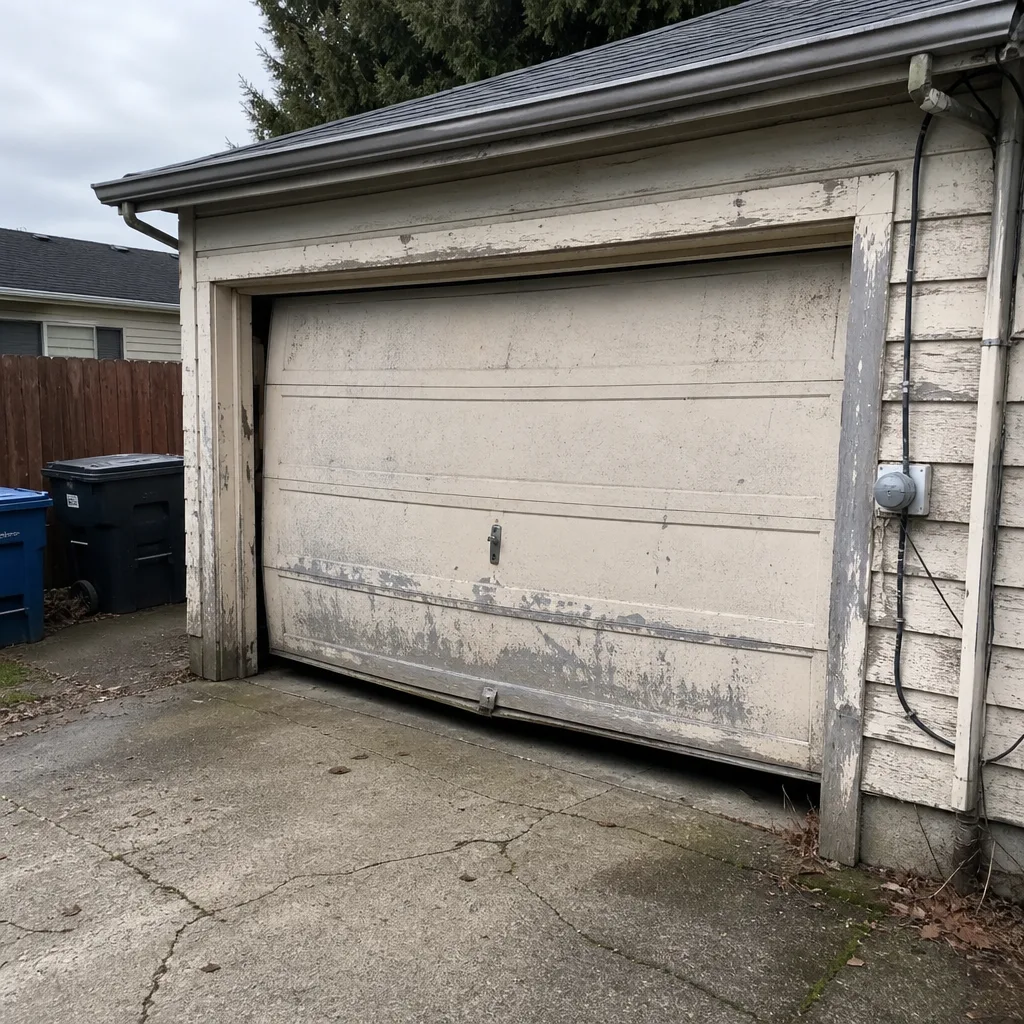 Before
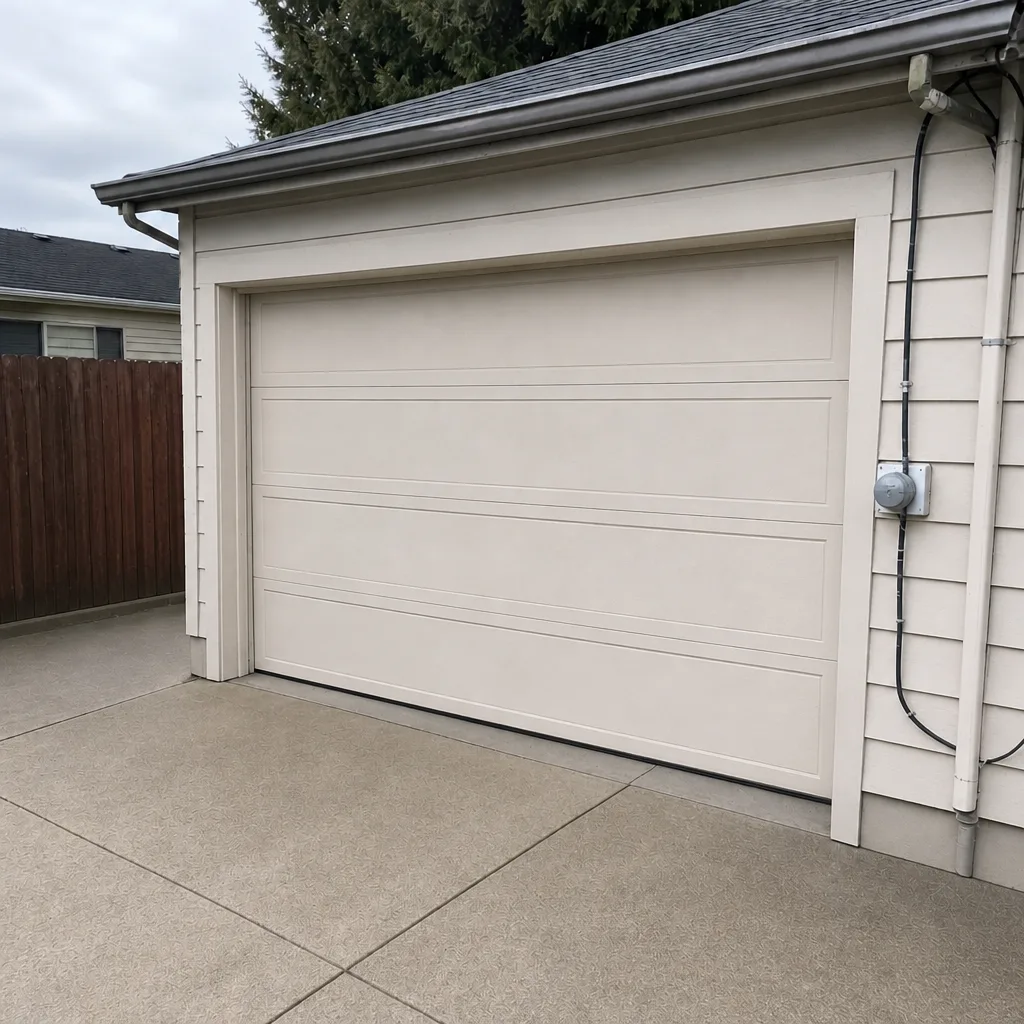 After
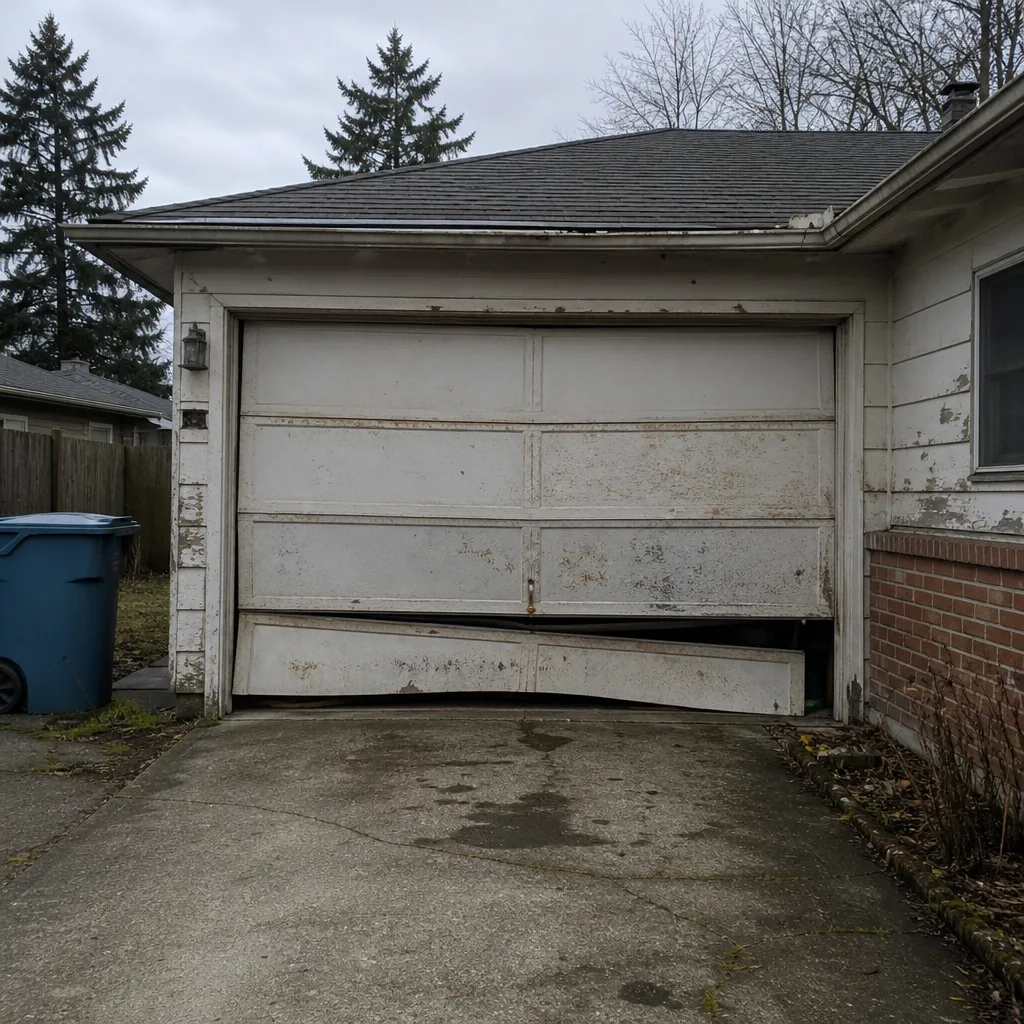 Before
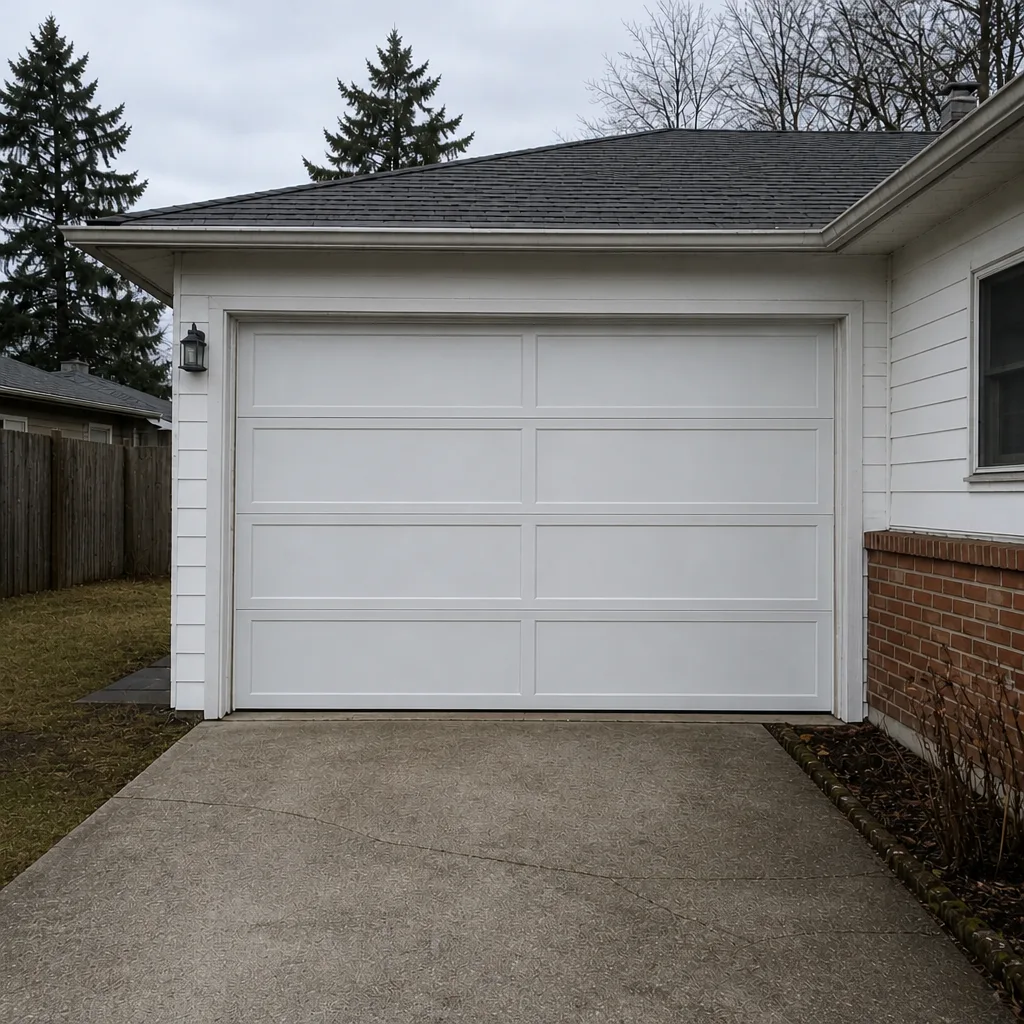 After
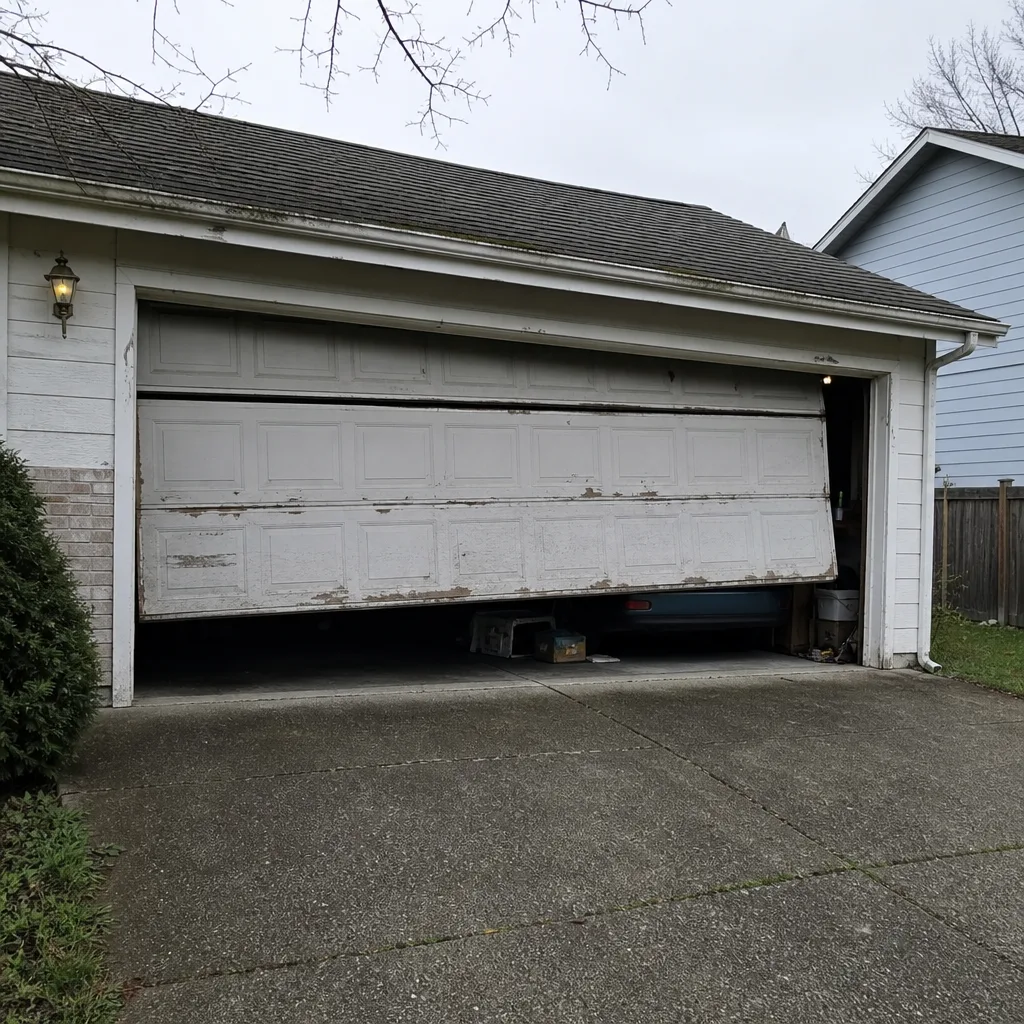 Before
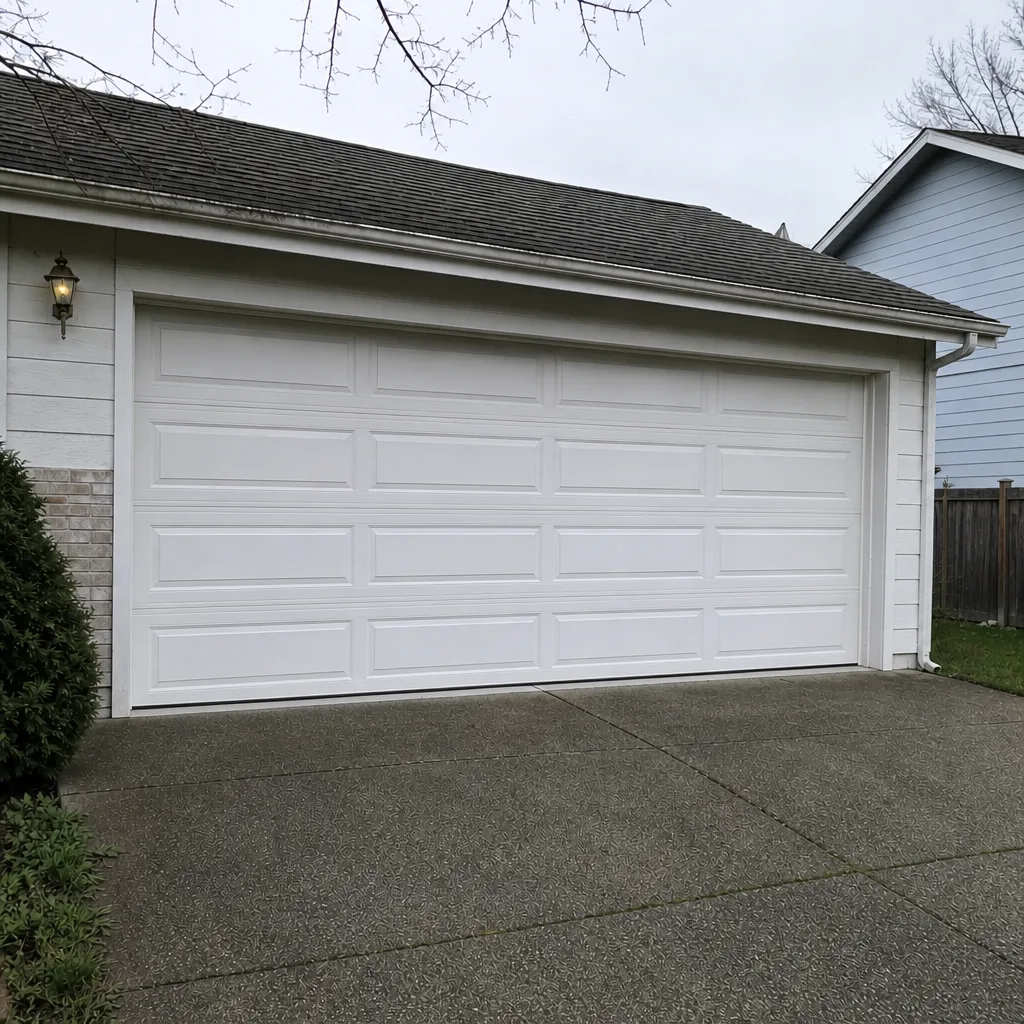 After
When to Call a Professional
Call when the door won’t balance, when a spring snaps, when the opener stops responding, or when a replacement is on the table and you need a straight answer about the door, the anchorage, and the energy rating before you order. Call when a door is stuck open or won’t open at all and the house is unsecured, or a car is trapped. Call when a home’s permit history on the garage is unclear, or when a repair looks like it’s really a replacement. Torsion and extension springs are dangerous under load, and doors that are off-balance or improperly anchored are a genuine safety issue. Our technicians are experienced with spring repair, opener repair, and replacement, and we work with LiftMaster, Chamberlain, Genie, Clopay, Amarr, Wayne Dalton, Craftsman, and Raynor so we know your system. Tacoma Garage Door Repair Experts offers free estimates in Tacoma – call (855) 658-4082.
Frequently Asked Questions
In most cases, yes. A full garage door replacement in Tacoma usually requires a City of Tacoma building permit and an inspection, while like-for-like repairs such as spring replacement or opener repair generally don’t. Call the city’s building department with your door size and energy rating to confirm your specific job.
No, spring replacement and opener repair on existing wiring are typically classified as repairs and don’t need a building permit. If the opener install includes new wiring or a new garage outlet, that piece needs an electrical permit and inspection from a licensed electrician.
The Washington State Energy Code (WSEC) applies to insulated garage door replacements on attached or conditioned garages and sets a minimum thermal rating for the door. Detached, unconditioned garages are treated differently. When you apply for the permit, bring the door’s spec sheet with the thermal rating so the city can verify compliance.
Seismic anchorage is the code-required fastening of the garage door track and header to the framing so the door stays in place during an earthquake. Washington’s building code requires it, and Paso County and City of Tacoma inspections check it. Out-of-state installation guides often treat it as optional, but here it’s part of a compliant install.
Most failed final inspections for garage doors come down to balance, travel limits, or a safety reverse that stops too late, and the fix is usually an adjustment rather than a rebuild. The technician rebalances the door and resets the reverse, then the inspector returns for a re-inspection. Sorting those out before the final visit avoids the second trip.
It can. An unpermitted structural change to a garage opening can become a review point in an insurance claim, and it can create friction at resale when a buyer’s agent pulls the permit history and finds no record. Keeping the permit number, inspection card, and door spec on file is the simple protection. Call (855) 658-4082 for a free estimate if you want the existing installation looked at.
The Bottom Line
The permit line in Tacoma runs between structural replacement and mechanical repair. A full garage door replacement usually needs a City of Tacoma building permit and an inspection; a spring swap or opener repair usually doesn’t. Insulated replacements on a conditioned garage have to meet the Washington State Energy Code, and every installation should include the seismic anchorage and lateral bracing Washington requires. The inspection process runs in two phases, with a rough-in before the ceiling closes and a final after the door is hung. Keep the paperwork, and the gray zone stops being a gray zone. If you’re weighing a repair against a replacement, call us and we’ll tell you which side of the line your job sits on.
Ready to sort out your Tacoma garage door? Call Tacoma Garage Door Repair Experts at (855) 658-4082 for a free estimate. We handle garage door opener repair, spring repair, and full installation, and every price is quoted and agreed before any work starts.
Written by the team at Tacoma Garage Door Repair Experts.