Last updated November 23, 2026
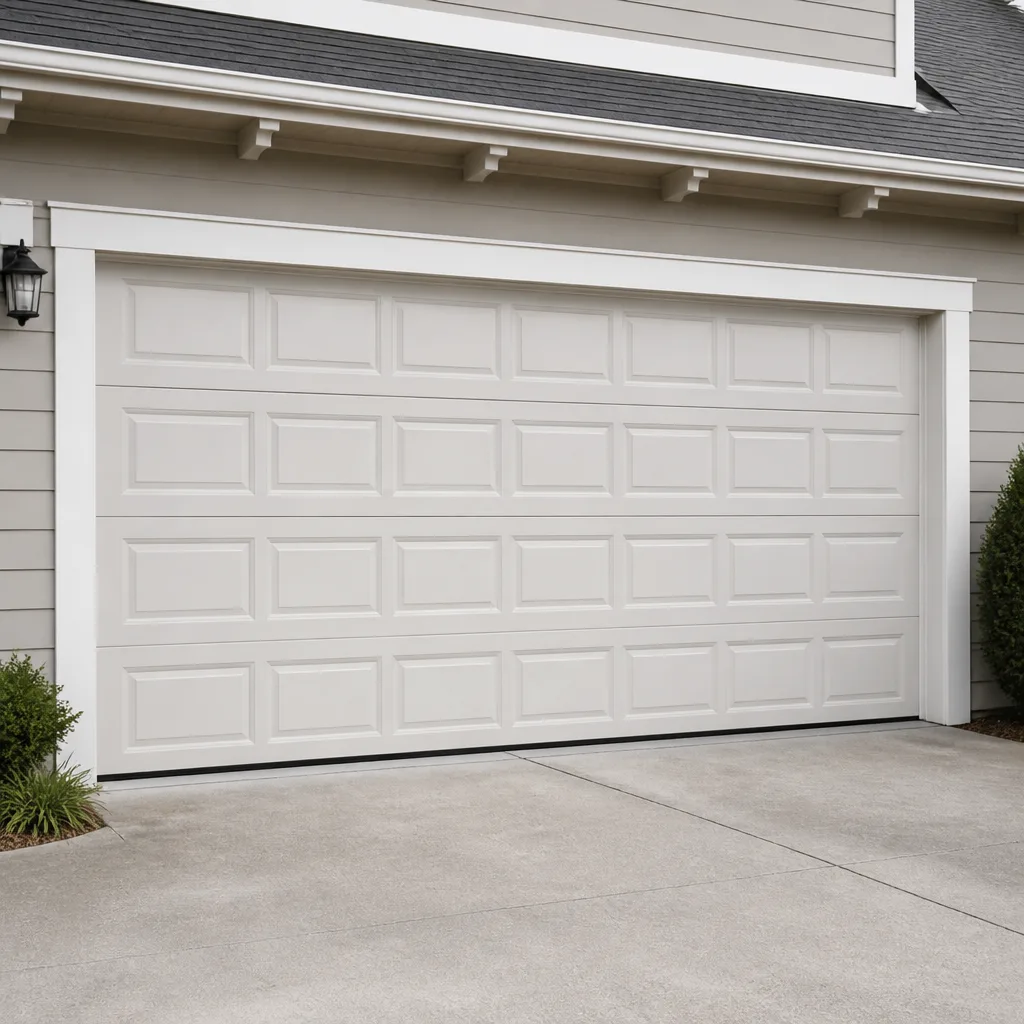 Raised-panel steel
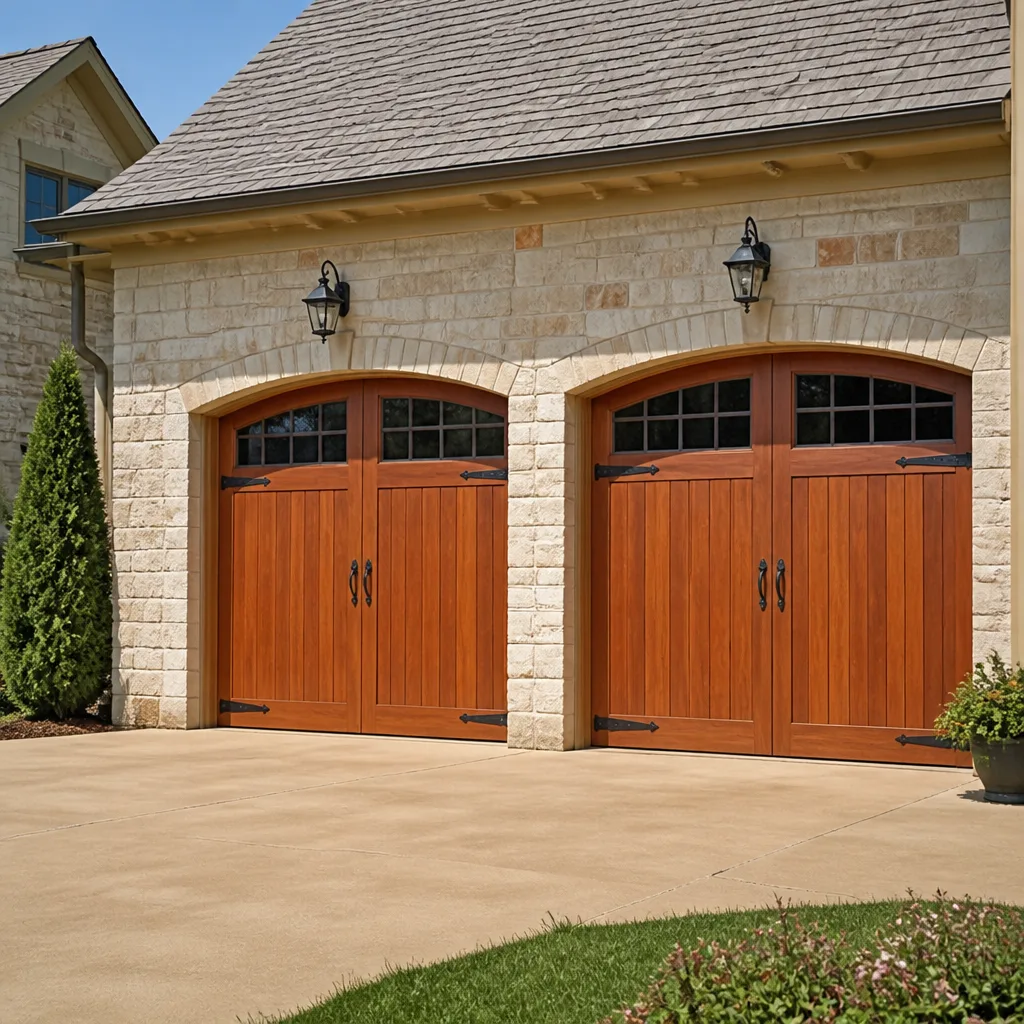 Carriage house
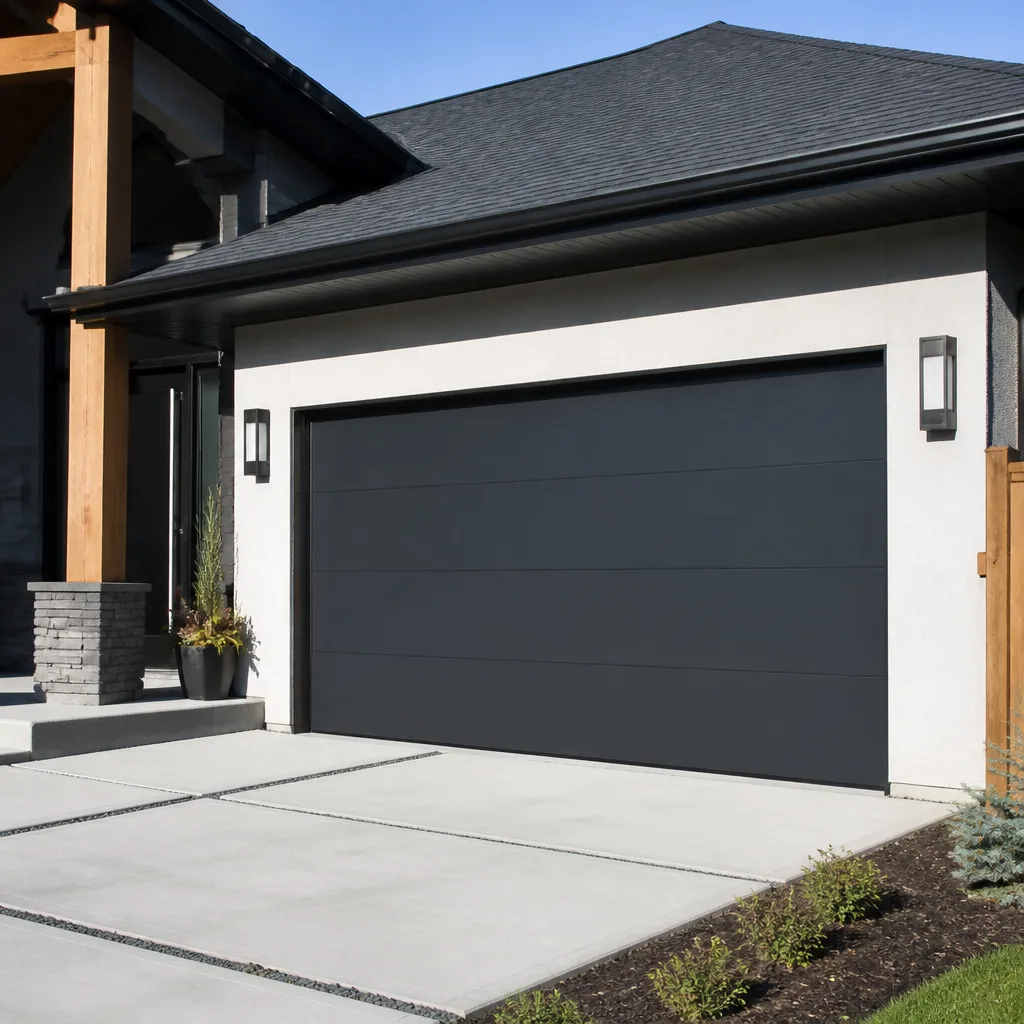 Modern flush
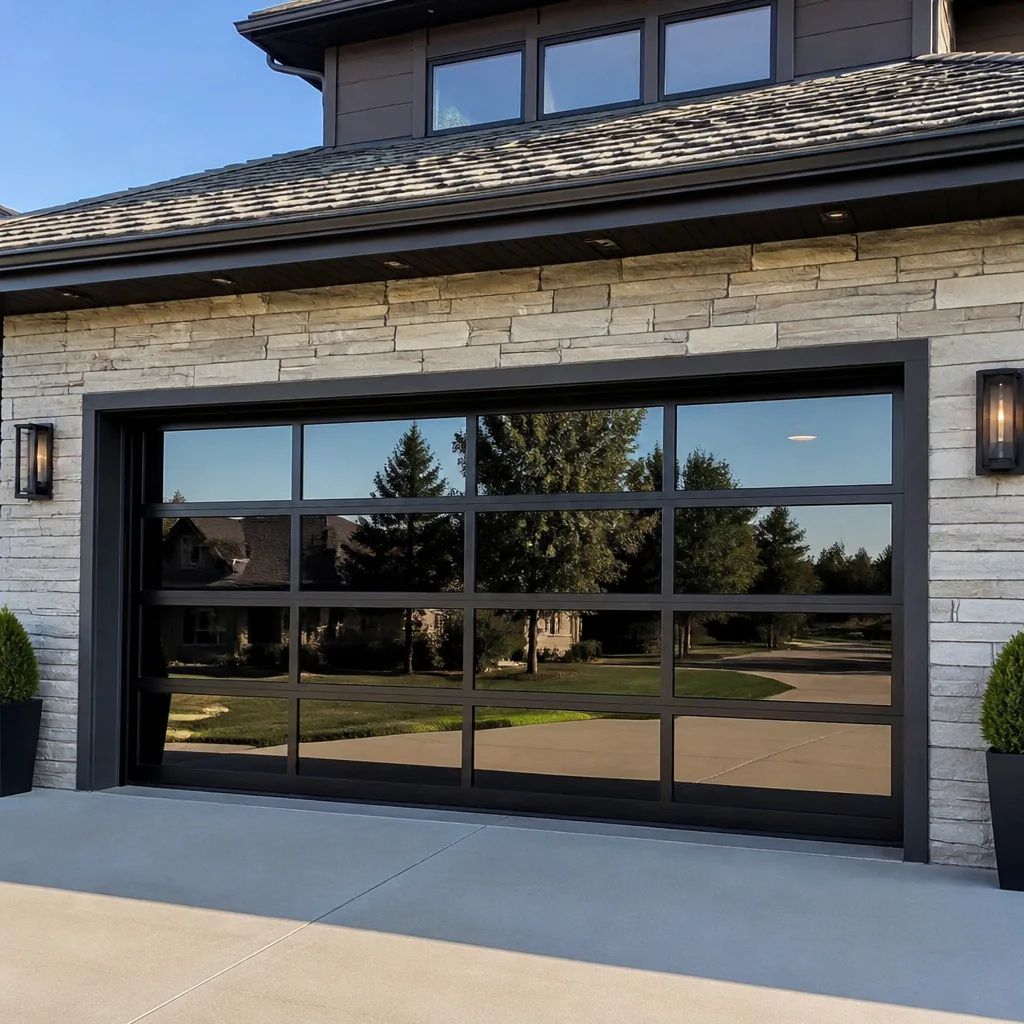 Full-view glass
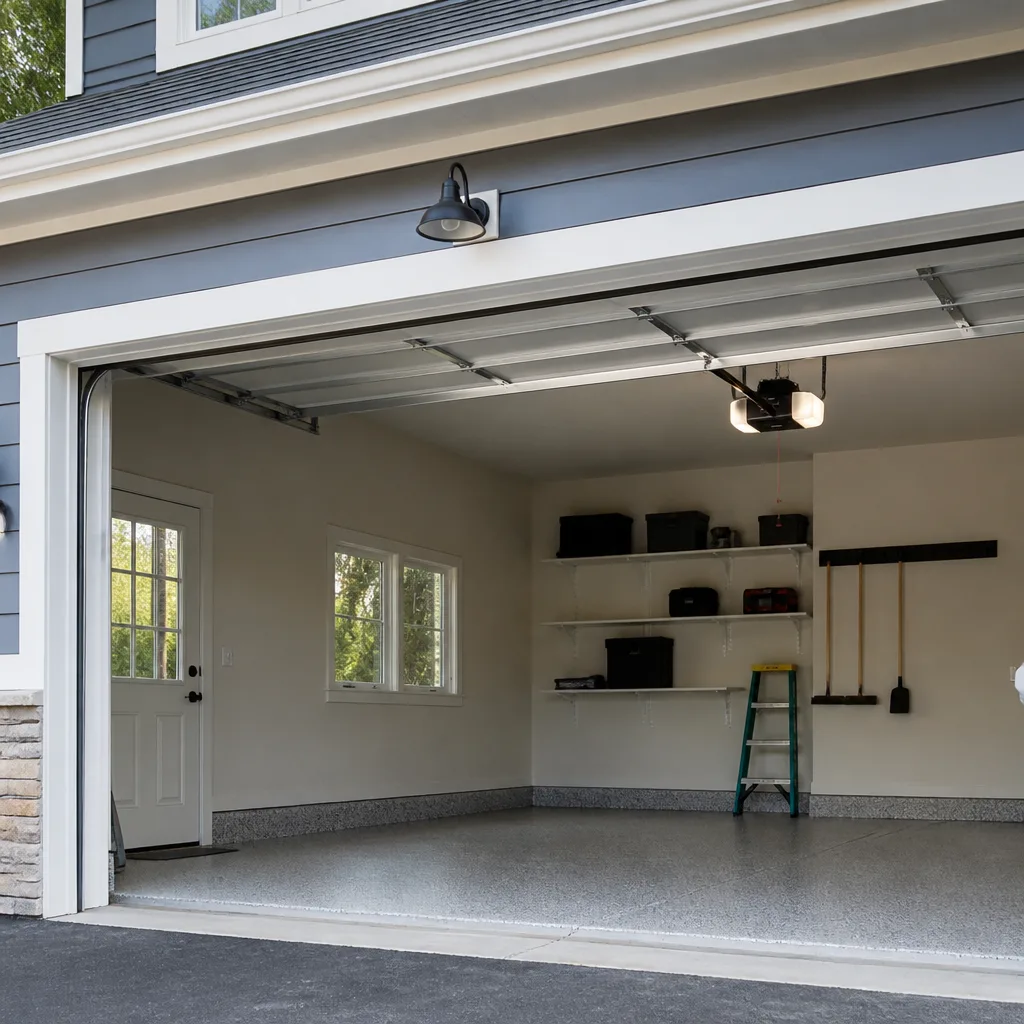 LiftMaster openers
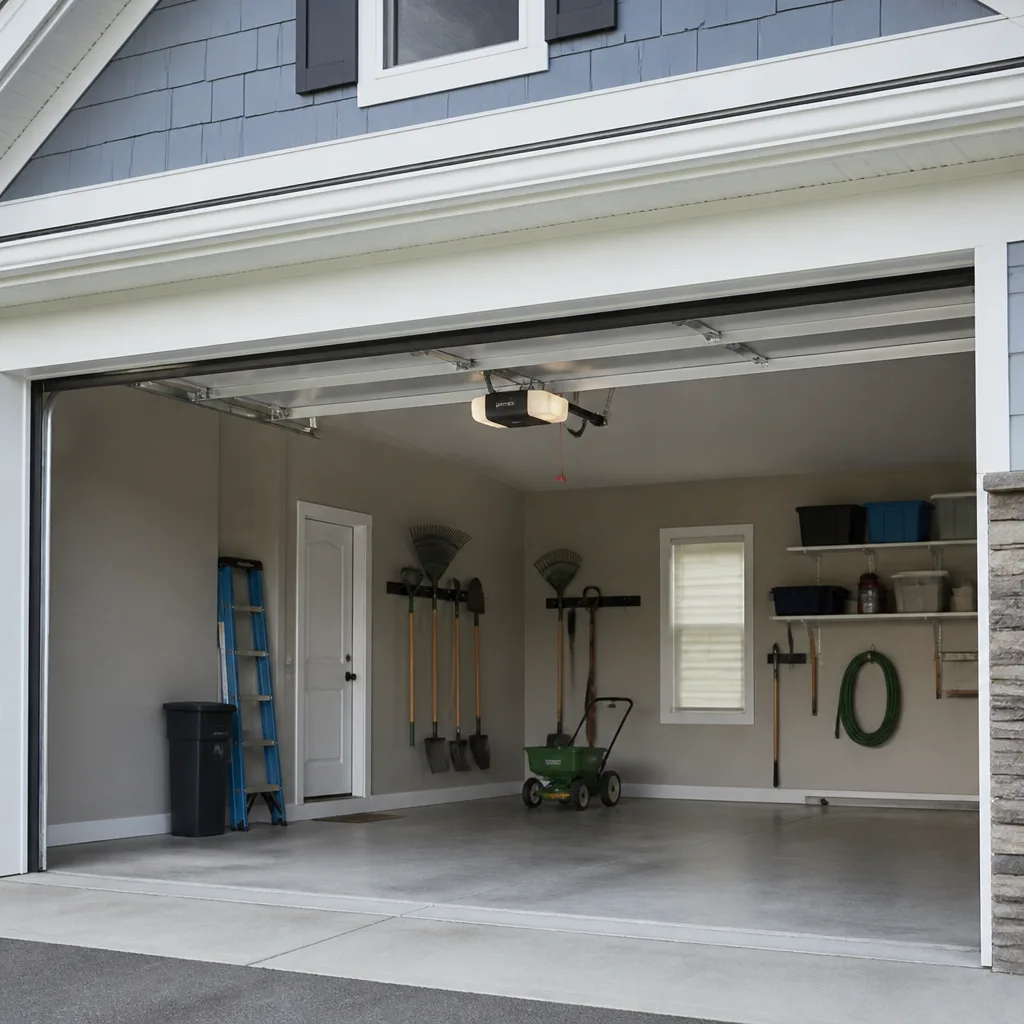 Chamberlain openers
Full 25-point door and opener safety check with every visit - springs, cables, rollers, tracks, and your LiftMaster or Chamberlain opener included
You get a price before we start. It does not change when the pro arrives.
Get your free estimateGarage Door Repair Troubleshooting in Tacoma: Common Problems and How to Fix Them
A door that reverses before it touches the floor is almost never a sensor problem. That’s the myth we spend the most time correcting in Tacoma. Nine times out of ten the real culprit is a limit switch that’s drifted out of adjustment or a torsion spring that’s lost tension, and the safety sensor gets blamed because it’s the only part the homeowner can see. Chasing the symptom instead of the source is how people end up buying parts they didn’t need. This guide teaches the diagnostic logic a technician uses in Tacoma: how to tell an electrical fault from a mechanical one, which fixes are safe to try, and which ones can put you in the hospital.
Quick Answer
Most garage door failures in Tacoma trace back to four systems: electrical (power, wiring, sensors), mechanical (springs, cables, rollers, tracks), the operator (opener motor, logic board, limit switches), or structural (the door panels and framing). To troubleshoot correctly, isolate which of those four is failing before you touch anything. Sensor realignment and limit switch adjustment are safe homeowner fixes; spring and cable work is not, and belongs with a trained technician.
Styles & brands we work with
- Raised-panel steel
- Carriage house
- Modern flush
- Full-view glass
- LiftMaster openers
- Chamberlain openers
Table of Contents
- The Four-System Diagnostic Framework
- Why “My Sensor Is Broken” Is Usually Wrong
- The Noise-to-Problem Translation Table
- How Tacoma’s Wet Winters Affect Your Door
- What You Can Safely Fix Yourself
- What You Should Never Touch
- Opener and Remote Troubleshooting
- When to Call a Professional
The Four-System Diagnostic Framework
Every garage door problem you’ll ever face lives in one of four systems. Learning to sort your symptom into the right bucket saves you money because it stops you from replacing a $40 sensor when the real issue is a $15 limit switch, or worse, buying an opener when the door’s rollers are binding. We use this same framework on every Tacoma call we take.
Here’s how the systems break down and what each one sounds and behaves like:
- Electrical: The door won’t respond at all, responds intermittently, or the opener light flickers. Think power supply, wall button wiring, safety sensor alignment, or a failing logic board. If the door is silent and the opener doesn’t hum or click, start here.
- Mechanical: You hear the opener running but the door doesn’t move, or moves unevenly, binds, or drifts back down. Springs, cables, rollers, hinges and tracks live in this bucket. Any grinding, popping or sudden weight change points here first.
- Operator: The door moves partway and stops, reverses for no visible reason, or the travel limits are off so it stops short of the floor or slams shut. The opener is running but its internal adjustments or motor are at fault.
- Structural: Panels are dented, cracked, out of alignment, or the door is dragging against a bent track. Wood framing around the opening may have shifted. This is the bucket that sometimes leads to a replacement conversation rather than a repair.
The order matters. Rule out electrical first because it’s the cheapest to check and the easiest to misdiagnose. Then mechanical, because a door with a broken spring will still cycle the motor and sound fine while doing nothing useful. Tacoma homes built in the mid-century around North End and Proctor often have older sectional doors where structural wear shows up as rubbing and panel flex long before anything snaps.
When you’ve isolated the bucket and the fix is clearly mechanical or operator-driven, that’s when it makes sense to bring in a specialist. A trained eye on garage door repair saves you from the parts-swapping trap that repeats the same symptom in a different form two weeks later.
Decision checkpoint: If you’ve checked power at the outlet, tested the wall button, and confirmed the door responds to the remote but not consistently, you’re looking at an electrical or operator fault. Tell your technician exactly which control you used (remote, wall button, or keypad) and what happened with each. That one detail narrows the diagnosis more than anything else you could say.
Why “My Sensor Is Broken” Is Usually Wrong
The safety sensor is the most misunderstood component on any garage door. It’s the pair of small eyes mounted at the bottom of the tracks, one on each side, that sends an infrared beam across the opening. If something breaks that beam, the door reverses. But a door that reverses before it hits the floor, with nothing in the way, is almost never a bad sensor.
What’s actually happening in most of those cases:
- A drifting limit switch. The opener’s travel limit tells the motor where “fully closed” is. When that adjustment slips, the operator thinks it has hit an obstruction and reverses to be safe. The sensors are working perfectly; they’re just taking the blame.
- Spring tension imbalance. If one spring has lost tension, the door closes crooked and the operator detects resistance on one side. It reverses. Homeowners see the door come back up and assume sensor.
- A track or roller binding. A door that binds on one side pushes unevenly against the operator’s force threshold and reverses before reaching the floor.
- Genuine sensor misalignment. This is real, but it’s usually because the sensor bracket got knocked, the lens is dirty, or sun glare is hitting the receiving eye. Check the indicator lights on each sensor: solid on both sides usually means the beam is fine.
The reason this matters in Tacoma is that the wet months make tracks rust and rollers stiff, and a stiff door reverses more often. We see sensor misdiagnosis spike in January and February when the tracks are damp and binding. If you’ve cleaned the lenses, confirmed both indicator lights are solid, and the door still reverses, stop blaming the sensor and start looking at travel limits and spring tension. Our garage door opener repair team can reset the travel limits in a single visit once they’ve confirmed the sensors are healthy.
Decision checkpoint: If both sensor lights are solid and the door still reverses, tell your technician the door reverses before contact with the floor and that the sensors test green. That’s the language that points them straight at limit switches and spring tension instead of wasting your time on a sensor replacement.
The Noise-to-Problem Translation Table
Noises are a diagnostic language. Each one points to a different component, and learning to translate the sound gets you most of the way to the right system before you’ve opened a toolbox. Here’s the translation we use, drawn from what our technicians have logged across thousands of Tacoma service visits.
- Grinding: Metal-on-metal wear. Usually dry or seized rollers, a binding track, or a torsion spring that’s caught and dragging. Grinding that only happens on the way down often means a roller has flat-spotted.
- Popping: A torsion spring that’s slipped a coil or a cable that’s jumped its drum. This is the sound that comes right before a spring lets go. Stop using the door and call.
- Rattling: Loose hinges, bolts, or the opener’s mounting bracket shaking. Harmless on its own but it accelerates wear on every other part. Usually a five-minute tighten for a technician.
- Squealing: A roller, hinge, or the opener’s drive gear running without lubrication, or a belt-drive opener that’s worn. Cold damp Tacoma mornings make squealing worse because metal contracts and clearances shrink.
- Loud clunking on open: The opener pulling a door that’s heavier than it should be, often a spring that’s fatigued. The motor is straining and the sound is the sound of a mechanism working too hard.
- Buzzing with no movement: Operator logic board or capacitor failure. The motor gets power but won’t turn. Electrical bucket.
The pattern worth remembering: repeating sounds (grinding, squealing) point to wear you can slow down with lubrication and adjustment. Sudden sounds (popping, snapping) point to a part that’s already failed and needs replacement.
Decision checkpoint: If you hear a pop and the door suddenly feels twice as heavy to lift by hand, stop operating it. That combination means a spring has lost tension and running the opener risks burning out the motor or snapping a cable. Tell your technician exactly this: “It popped, the door is suddenly heavy, and I’ve stopped using it.” That gets you prioritized.
How Tacoma’s Wet Winters Affect Your Door
Tacoma’s rain has a specific effect on garage doors that homeowners in drier parts of the country simply don’t deal with. Our wet winters drive moisture into the steel tracks and onto the rollers, and that moisture accelerates rust. A rusted roller develops a rough surface, and a rough surface binds in the track. That binding is what causes the seasonal “my door suddenly reverses” calls that show up right after the first cold, wet stretch of the year.
What actually happens in a Tacoma winter:
- Cold contracts metal and shrinks the clearances in the tracks, so a door that ran smooth in October suddenly drags in December.
- Damp accelerates rust on rollers, hinges, and the track itself, especially on doors that face west or sit in the shade most of the day.
- Wood-framed openings (common in older Tacoma neighborhoods like the Stadium District and Sixth Avenue area) can absorb moisture and shift slightly, throwing the door out of square.
- Springs get worked harder because a binding door makes the opener and the springs compensate, which shortens spring life.
The fix isn’t complicated, but it’s seasonal. A clear, chain-type lubricant on rollers and hinges each fall prevents most of it. What matters more is recognizing the difference between a seasonal binding problem and a genuine mechanical failure. A door that reverses only on cool, damp mornings and runs fine on dry afternoons has a binding issue, not a broken spring. A door that’s suddenly heavy every time, rain or shine, has a spring problem.
If your door has started misbehaving with the weather change and you’re not sure which category you’re in, the safe move is to have it looked at before it becomes a real breakdown. Our team knows the seasonal pattern in this city, and Tacoma Garage Door Repair Experts understand exactly how the local climate stresses a door. That’s the kind of local insight that lets a technician zero in on the right system instead of guessing.
What You Can Safely Fix Yourself
Some problems have honest DIY paths. We’ll tell you which ones because a homeowner who fixes a minor issue correctly and calls us for the genuinely dangerous stuff is a homeowner we respect. Here’s what’s reasonably safe to try on your own, in order of simplicity.
- Realign the safety sensors. Loosen the wing nut on each sensor bracket, point the eyes at each other, tighten, and confirm both indicator lights are solid. Check that nothing (a broom, a shovel, a stack of boxes) blocks the beam.
- Clean the sensor lenses. A damp cloth on each lens removes the dust and spiderwebs that cause intermittent reversing. Do this before replacing any sensor.
- Adjust the opener’s travel limits. On most openers there’s a limit screw or programming button for up and down travel. Consult your opener’s manual (a LiftMaster, Chamberlain or Genie manual will walk you through it) and make small quarter-turn adjustments at a time. This is the fix for a door that stops short or reverses before the floor when sensors test green.
- Lubricate rollers, hinges, and the track. A clear, non-greasy chain lubricant applied to the metal parts (not the tracks themselves if your manufacturer says otherwise) loosens a stiff door and quiets squealing. This one fix does more for Tacoma winter binding than anything else.
- Tighten loose bolts on hinges and brackets. A socket wrench and ten minutes eliminates rattles that would otherwise compound into real wear.
- Replace a remote battery or re-pair a remote. Dead battery, or a remote that needs re-syncing to the opener. Quick, harmless, and often the whole “my remote stopped working” problem.
Each of these is a genuine home fix. None of them involves tension or structural load. That distinction is the line. The moment a fix requires releasing stored force or working above your head on a weighted part, it leaves the safe zone.
Decision checkpoint: If you’ve adjusted travel limits as far as the manual allows, realigned the sensors, and the door still reverses or stops, don’t keep turning the screws. Tell your technician the exact behavior (where the door stops or reverses) and that you’ve already worked the limits. That saves them the step and gets you a repair, not a re-diagnosis.
What You Should Never Touch
Two systems on a garage door store enough energy to seriously injure or kill a person: the torsion spring and the cable assembly. This isn’t a warning we enjoy repeating, but it’s the single most important thing in this guide. Torsion springs hold a tremendous amount of stored rotational tension, and when they release suddenly, they can break bones or worse. Cables that have jumped their drums can whip loose with similar force. Working on either without the proper winding bars, understanding of the torque, and training is genuinely dangerous.
What we tell every Tacoma homeowner who asks whether they should try a spring repair themselves: don’t. The spring on your door is the same coiled-steel system that, when it fails, makes a sound like a gunshot. A failed spring is a professional call, and a technician can measure and replace a matched pair in a single visit. Our garage door repair services include spring work because it’s the one repair where experience genuinely matters. Our technicians have up to 9 years of experience rebuilding and balancing springs safely, and that’s what you’re paying for when you call us.
The other no-touch zone is the track system when the door is under tension. If a track has bent, do not try to pry it back into shape with the door on it. A bent track holding a door under tension can release when you move it. The right move is to close the door if it’s safe to do so, stop using it, and call.
Decision checkpoint: If a spring has visibly snapped (a clean gap in the coil) or you hear the door creak and pop at the top of its travel, stop operating the opener immediately. Tell your technician you have a suspected broken spring and whether it’s torsion or extension type. That’s the call we prioritize.
Opener and Remote Troubleshooting
The opener is the most replaceable part of the system and the most commonly misdiagnosed. When an opener stops working, the actual problem is often one of the remote controls, the wall wiring, or the safety sensor circuit rather than the motor itself. Here’s the systematic check, and it works across whatever opener you have, whether it’s a newer smart unit or a legacy model.
- Test the wall button. If the door moves from the wall but not the remote, the opener is fine and the problem is the remote or its signal path. If neither works, the opener or its power supply is at fault.
- Check the power source. Confirm the outlet is live and the opener is plugged in. Sounds obvious; it’s the actual fix a surprising portion of the time.
- Check the safety sensor circuit. The opener won’t close the door if the sensor beam is broken. Confirm both lights before diagnosing the motor.
- Re-pair the remote or keypad. Modern openers use programmed rolling codes. If you’ve added or changed remotes, or your keypad’s code got changed, the door won’t respond until it’s re-synced.
- Look for a logic board failure or dead capacitor. A opener that hums briefly and clicks but won’t turn over usually has a bad capacitor or a failed logic board. That’s a technician diagnosis, not a homeowner fix.
The brands we see most in Tacoma homes are LiftMaster and Chamberlain, with Genie openers common in newer builds. Genie’s legacy models have their own quirk with limit switch drift that mimics spring failure. Our team is factory-familiar with all three, so we diagnose without guesswork and source the right part the first time. If you’ve done the five checks and the opener still won’t respond consistently, the garage door opener repair page walks through what a technician checks on arrival.
Decision checkpoint: Tell your technician exactly which control worked and which didn’t, and what the opener’s indicators showed. “Wall button works, remote doesn’t, opener light flashes three times” is a complete diagnostic clue that gets you a faster, more accurate repair.
See the difference
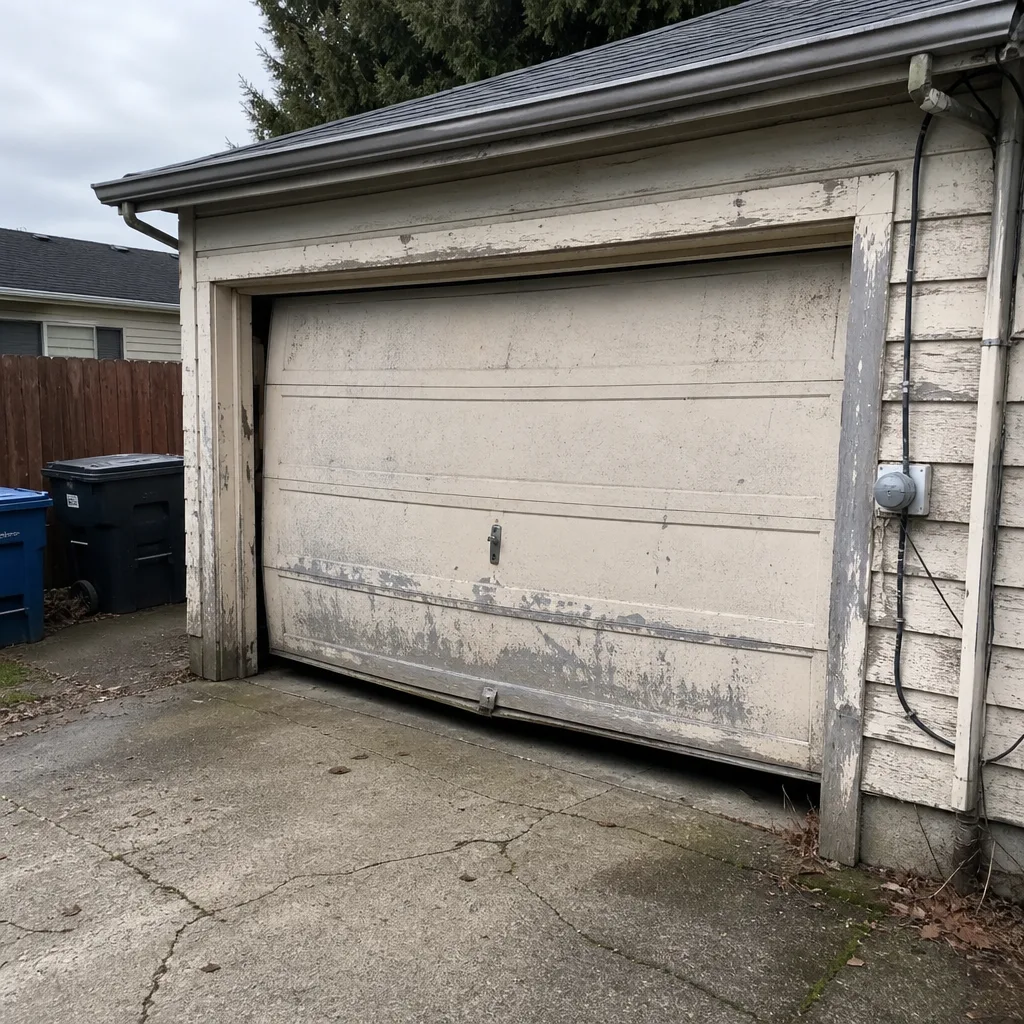 Before
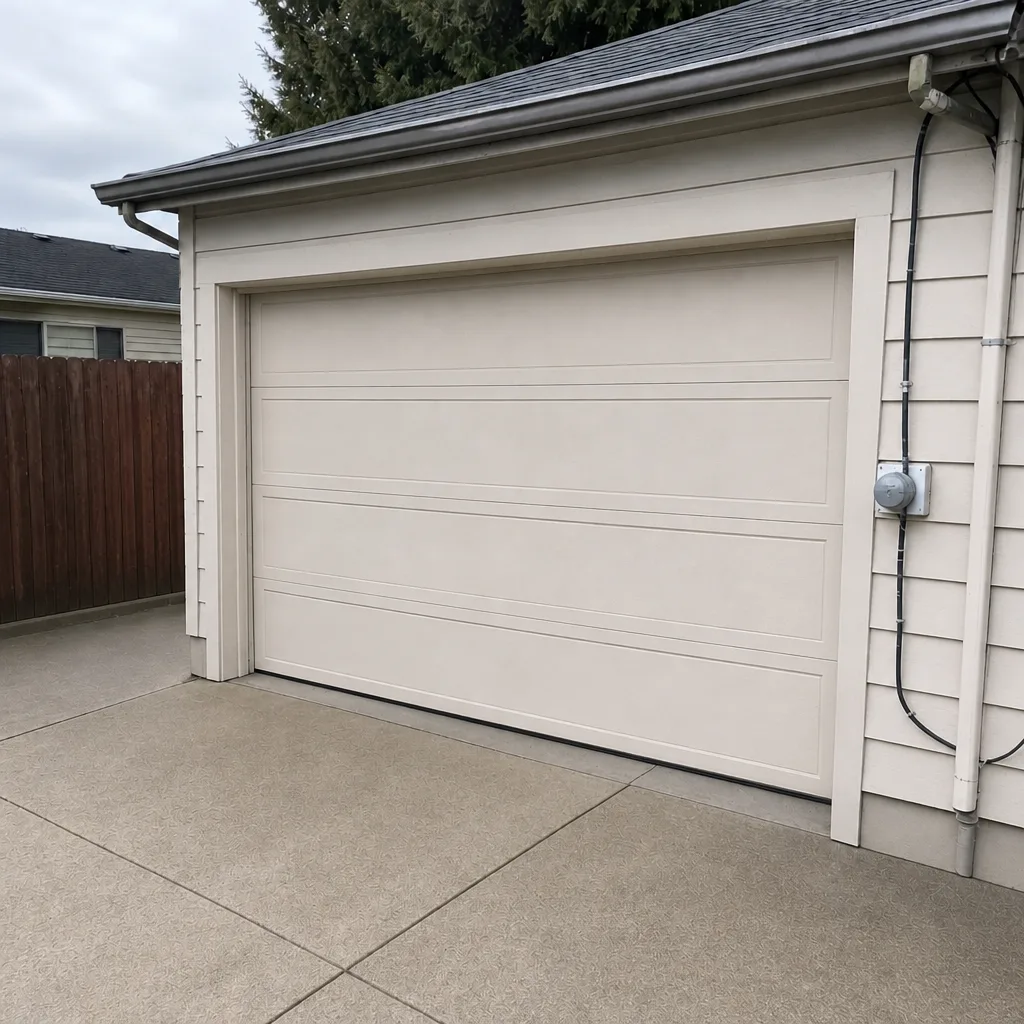 After
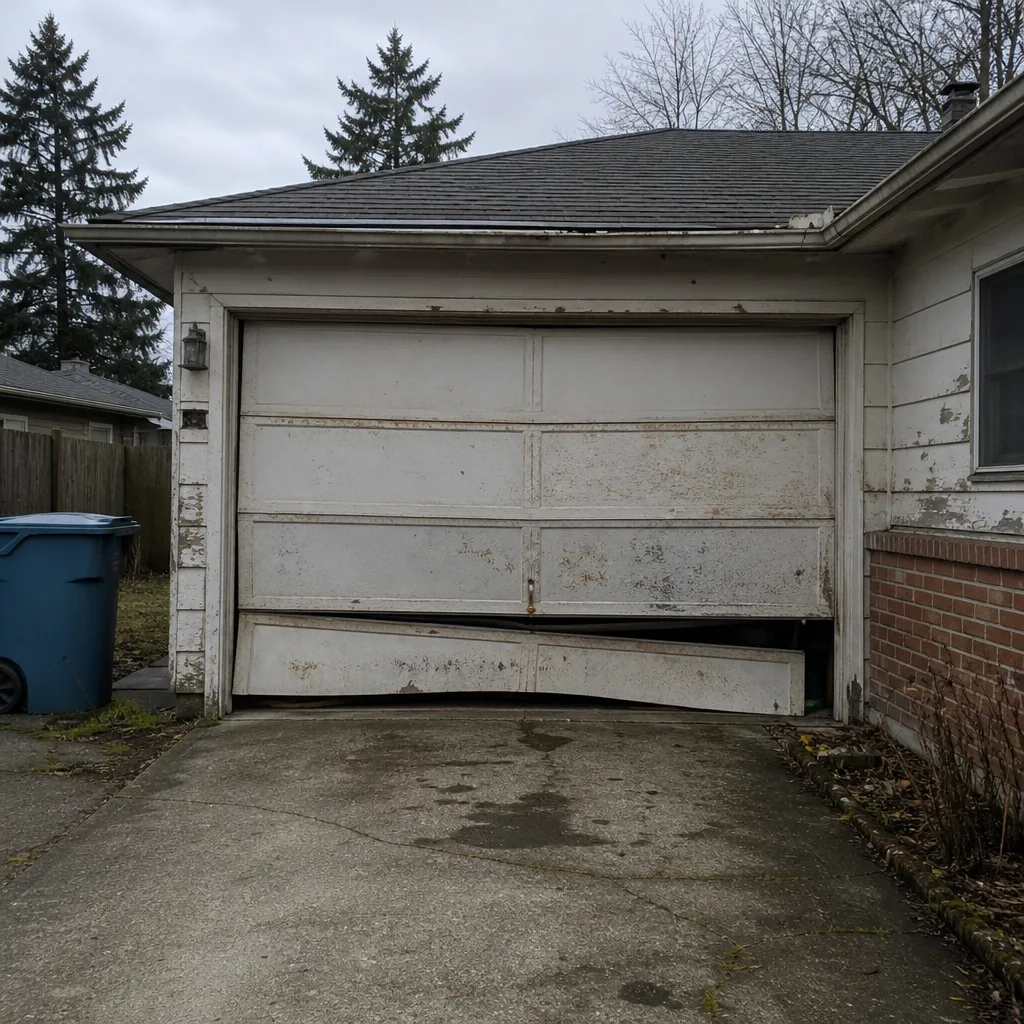 Before
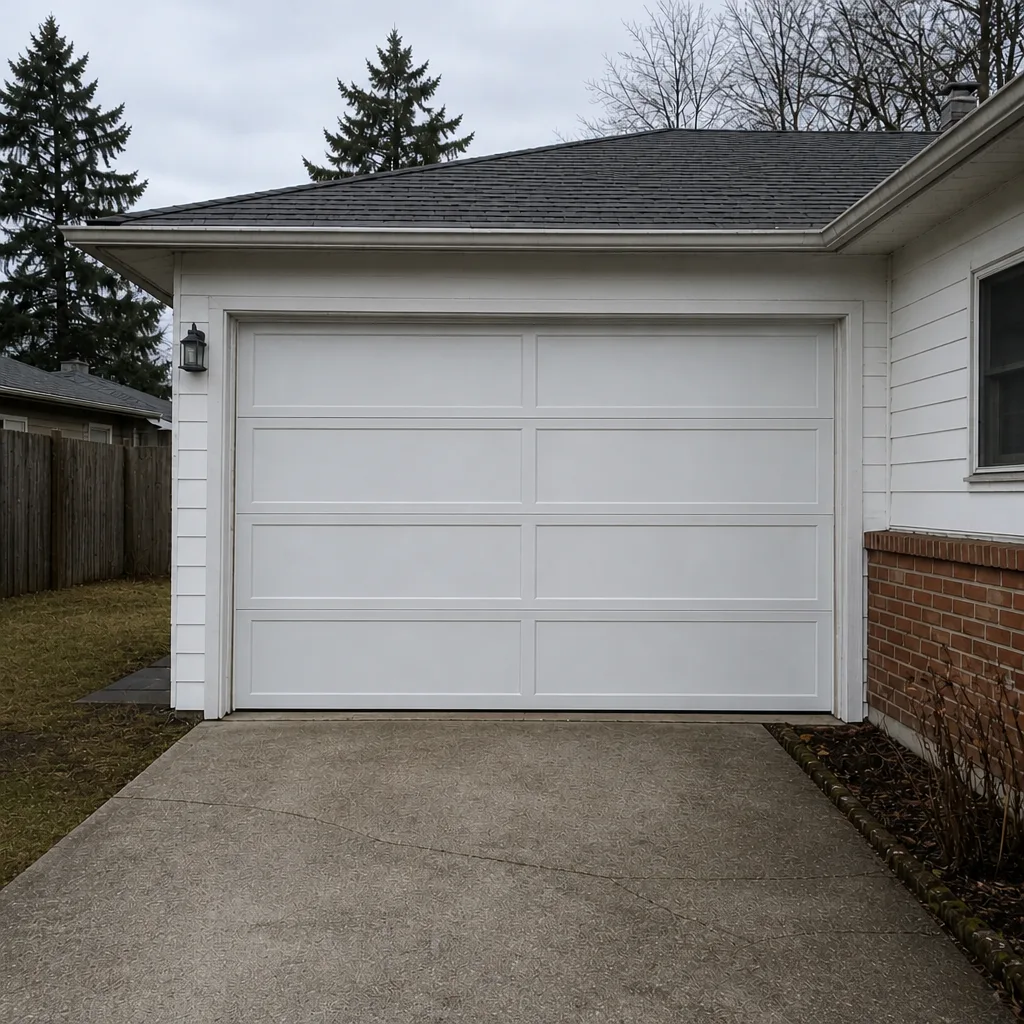 After
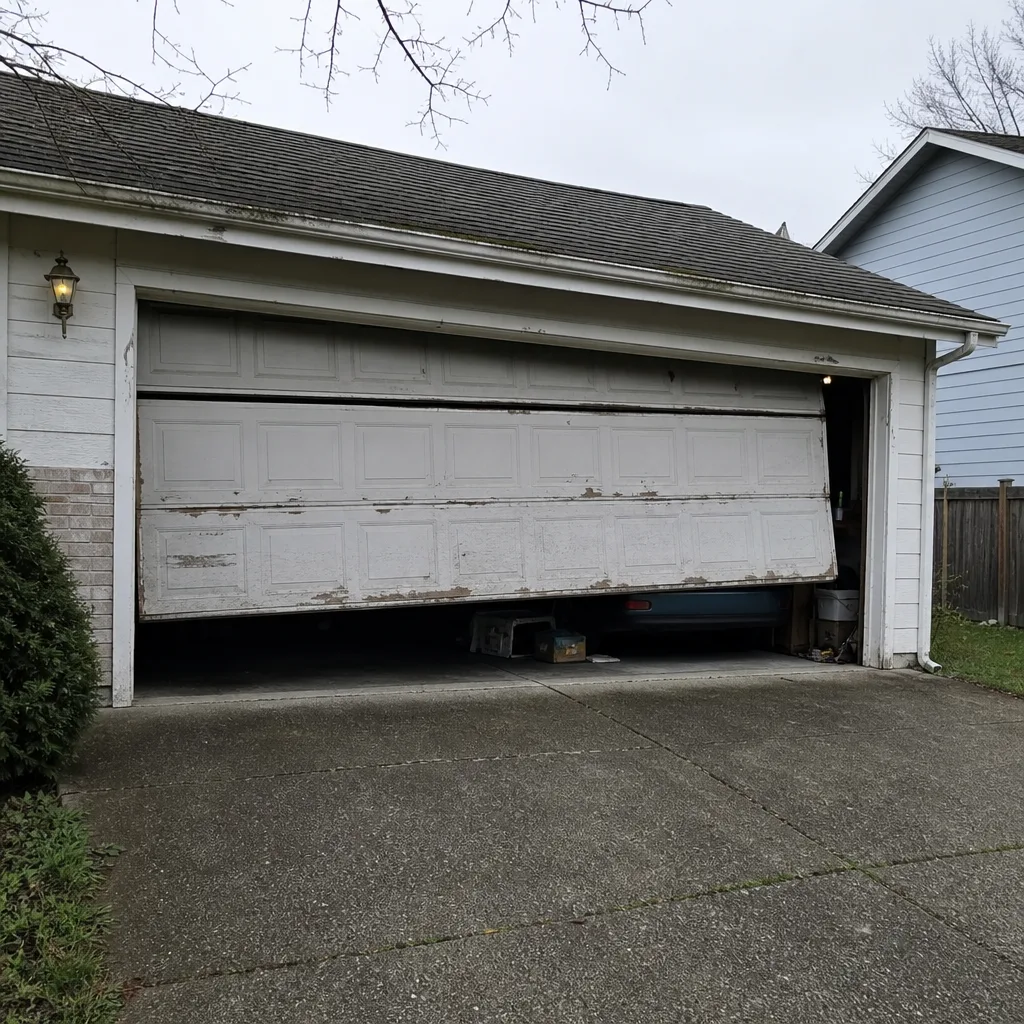 Before
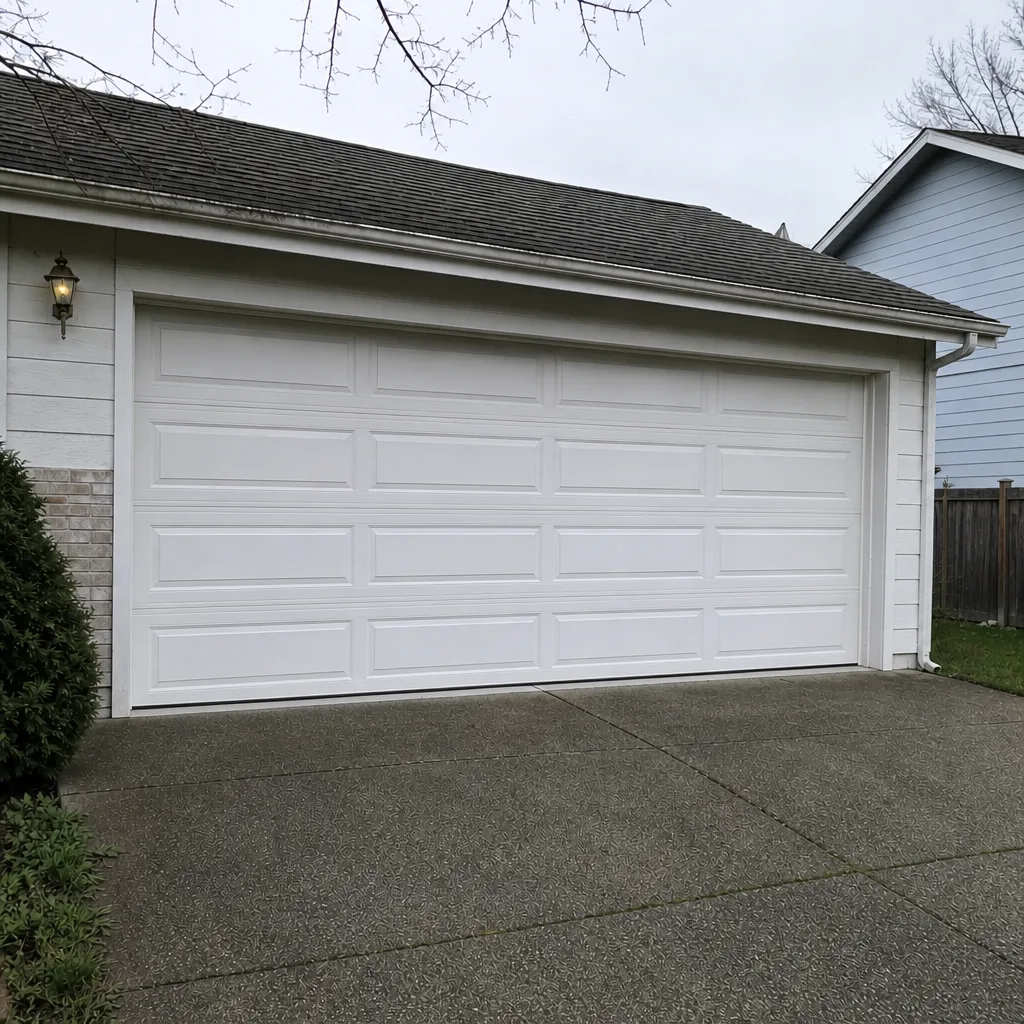 After
Common Mistakes to Avoid
Over the years, we’ve watched homeowners in Tacoma make the same diagnostic mistakes. Each one usually costs more than the original problem would have.
- Replacing the safety sensors when the door reverses. This is the single most expensive misdiagnosis. Test the sensors first with the indicator lights, and if they’re green, you’ve ruled them out.
- Buying a whole new opener when the problem is a limit switch or remote. A $15 part fixes a lot of doors. Confirm the wall button works before you spend money on a new unit.
- Greasing the tracks instead of the rollers. Grease on the tracks can attract grit and gum up in Tacoma’s damp weather. The rollers and hinges need lubrication; the track does not.
- Forcing a binding door by holding the wall button. This burns out the motor and can snap a cable. If it’s binding, stop and diagnose the source.
- Trying a spring repair without the right tools. This is the one that gets people hurt. It’s also the repair most likely to leave the door unbalanced and unsafe if done without the right knowledge.
- Ignoring seasonal binding. A door that drags only on cold mornings is a warning sign of rust and clearance issues. Fix it before it becomes a spring failure.
- Calling a general handyman for a spring or cable repair. This is technical work that most general contractors aren’t equipped for. Spring work belongs with a garage door specialist.
When to Call a Professional
Some problems are worth a call and some will waste your money on a service visit. The line is fairly clean. Call a professional when you’ve heard a snap or pop, when the door is suddenly much heavier than it was, when a spring is visibly broken, when a cable is loose or off its drum, or when you’ve worked the travel limits and sensors and the door still reverses. Call when the track is bent or the door is dragging against it. And call when you have a safety concern about the system’s integrity. If the fix is a roller, a hinge, a battery or a limit adjustment, you can handle it. If it’s tension, load, or a structural fault, that’s a technician’s job.
Tacoma Garage Door Repair Experts offers free estimates in Tacoma for anything in the gray area. Call (855) 658-4082 and describe what you’ve narrowed down. The price is quoted and agreed before any work starts, and the written estimate sets the final price.
Frequently Asked Questions
The most likely cause is a limit switch that has drifted out of adjustment or a spring that has lost tension, not a faulty safety sensor. Confirm you’ve cleaned the sensor lenses and that both indicator lights are solid. If they are, the door still reverses, and the sensors test green, the fix is nearly always a travel limit adjustment or a spring service. Call (855) 658-4082 for an exact quote; estimates are free.
No. Torsion and extension springs store enough energy to cause serious injury, and the tension must be released and re-set with the right tools and technique. This isn’t a repair where practice makes perfect; one wrong move can be dangerous. Our technicians have up to 9 years of experience doing this safely, and spring repair is a same-day service we handle routinely. Call (855) 658-4082 and we’ll get you on the schedule.
Grinding points to worn rollers or a binding track, popping points to a spring slipping, rattling points to loose hinges or brackets, and squealing points to dry rollers or a worn opener belt. A clunk on open often means the opener is straining against a fatigued spring. If you hear a pop or snap and the door suddenly feels heavy, stop using it and call (855) 658-4082.
The written estimate we give you before work starts is the price. We don’t feed you a number over the phone and then surprise you with a higher invoice after the technician is on-site. You’ll get a clear quote, you approve it, and the total on the invoice matches what you agreed to. Call (855) 658-4082 for a free estimate.
Yes. We take same-day emergency calls for doors that trap a car or leave a home unsecured, and we prioritize spring failures because a door running on a snapped spring can damage the opener. Describe the problem when you call so we can route the right technician. Call (855) 658-4082.
The local professionals we connect you with are state-licensed and insured as their state requires, and they work on garage doors exclusively rather than treating them as a side job. We’re fluent across the major brands including LiftMaster, Chamberlain, Genie, Clopay, Amarr, Wayne Dalton, Craftsman and Raynor, so your system gets the right parts and the right diagnosis. Call (855) 658-4082 for an exact quote; estimates are free.
The Bottom Line
Garage door troubleshooting is really a discipline of asking the right question first. Rule out the power supply, sort your symptom into electrical, mechanical, operator, or structural, and translate the noise before you touch a part. Tacoma’s wet winters add a seasonal layer that mimics broken springs and bad sensors, so check for rust and binding when the weather turns cold and damp. There are safe fixes (sensor realignment, limit adjustment, lubrication) and there are dangerous ones (springs, cables, loaded tracks), and the price of confusing them is too high. Everything else in this guide is designed to get you the right answer without wasting a trip. And when the diagnosis points at tension or load, that’s our job.
Whether you’ve narrowed the fault down and just need the repair done, or the door still has you stumped, our team is ready to help. We handle repair, opener work, spring service and new installation across Tacoma, and we’re brand-fluent on whatever system is on your home. For garage door installation, we start with a free measure and a written price rather than a dispatch promise. Garage doors are all we do, and we’d rather solve it once than fix it twice. Call (855) 658-4082 today for a free estimate; most repairs can be scheduled for same-day service.
Written by the team at Tacoma Garage Door Repair Experts.