Last updated November 23, 2026
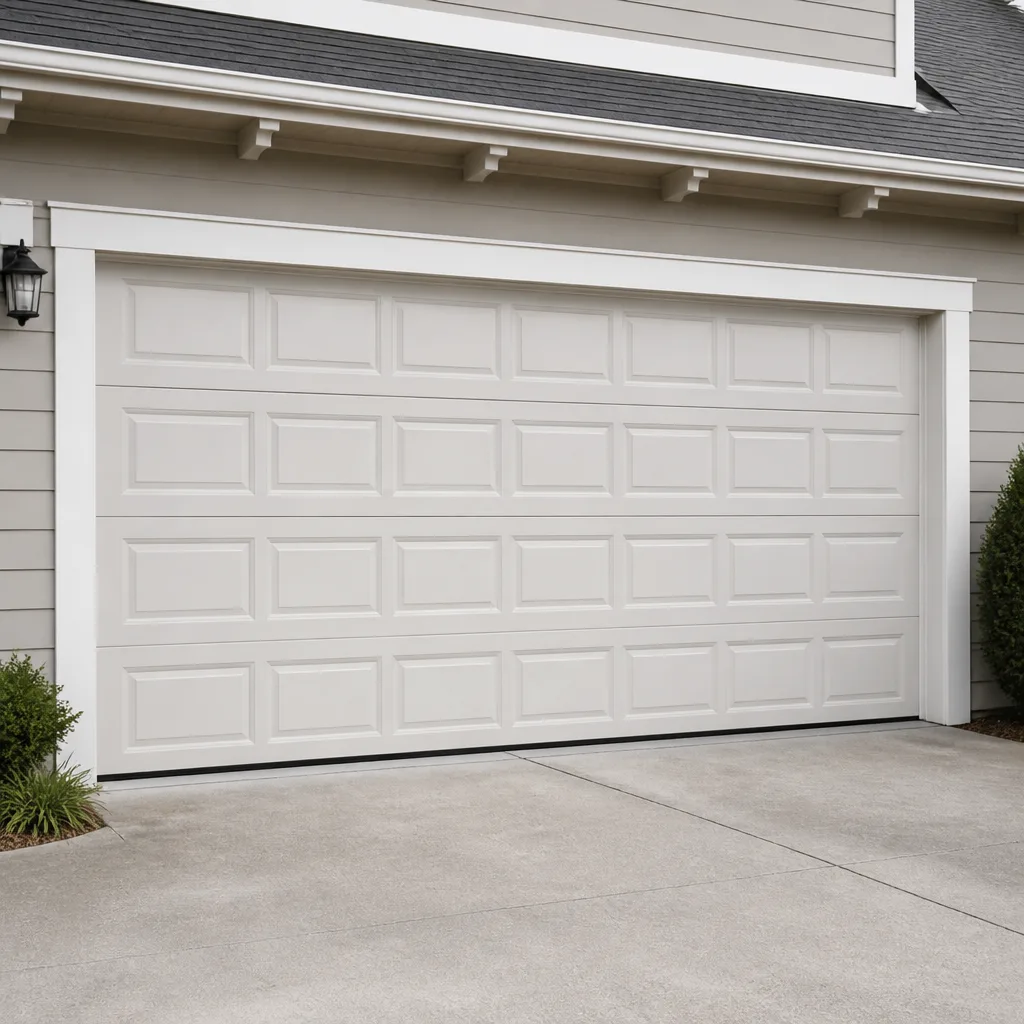 Raised-panel steel
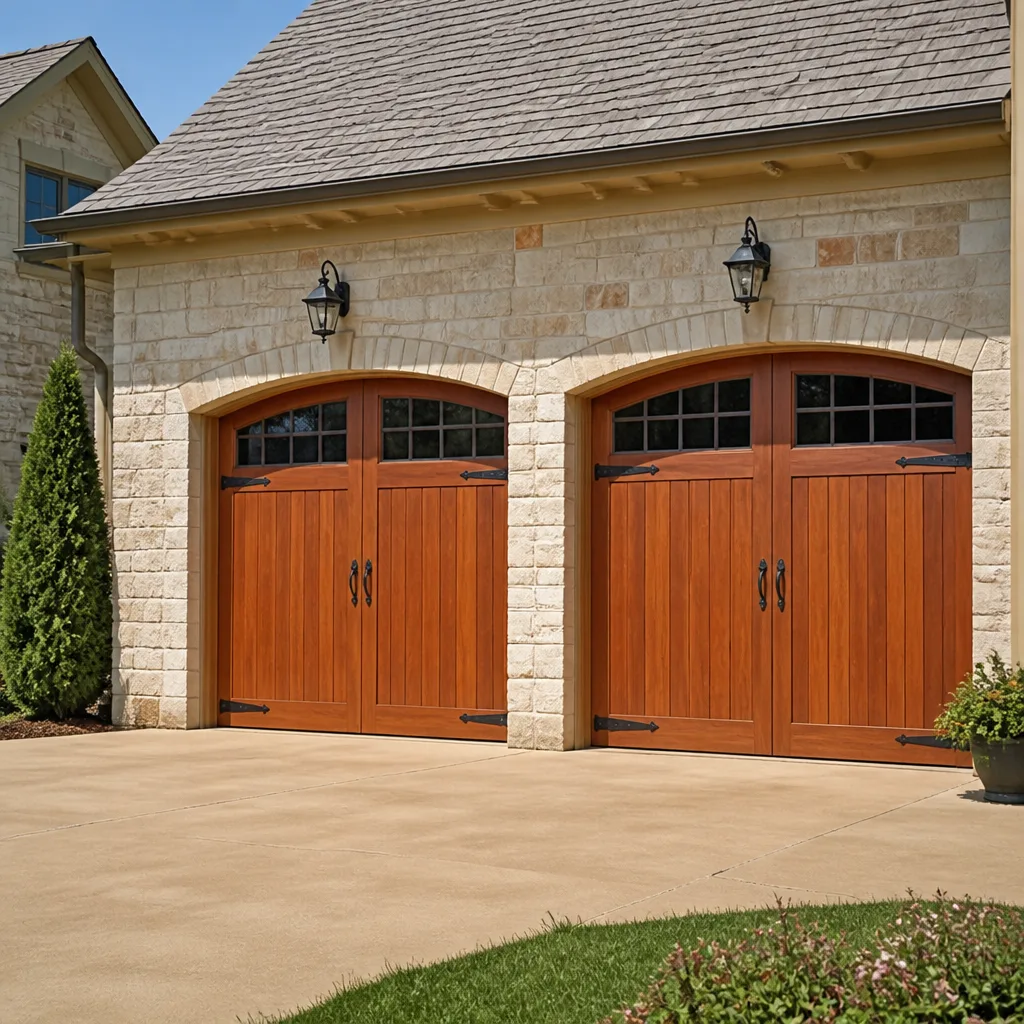 Carriage house
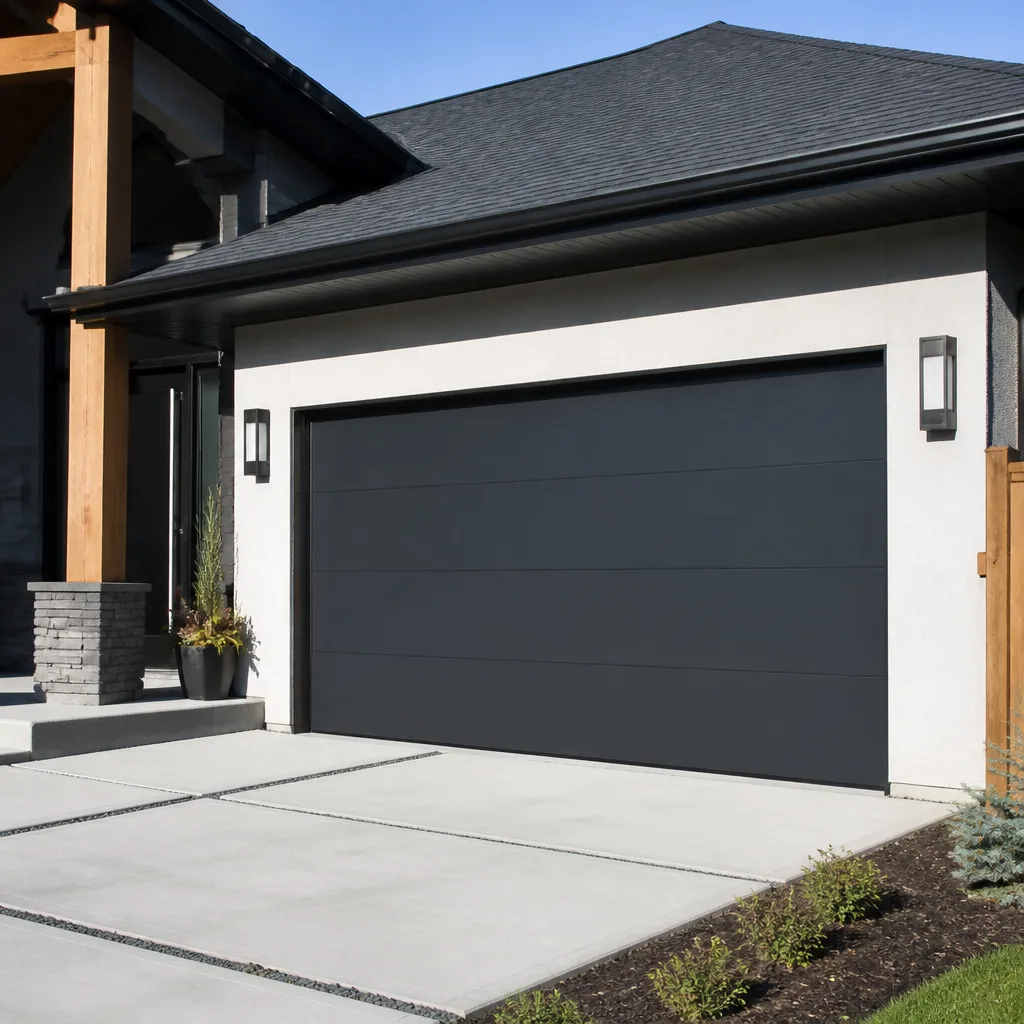 Modern flush
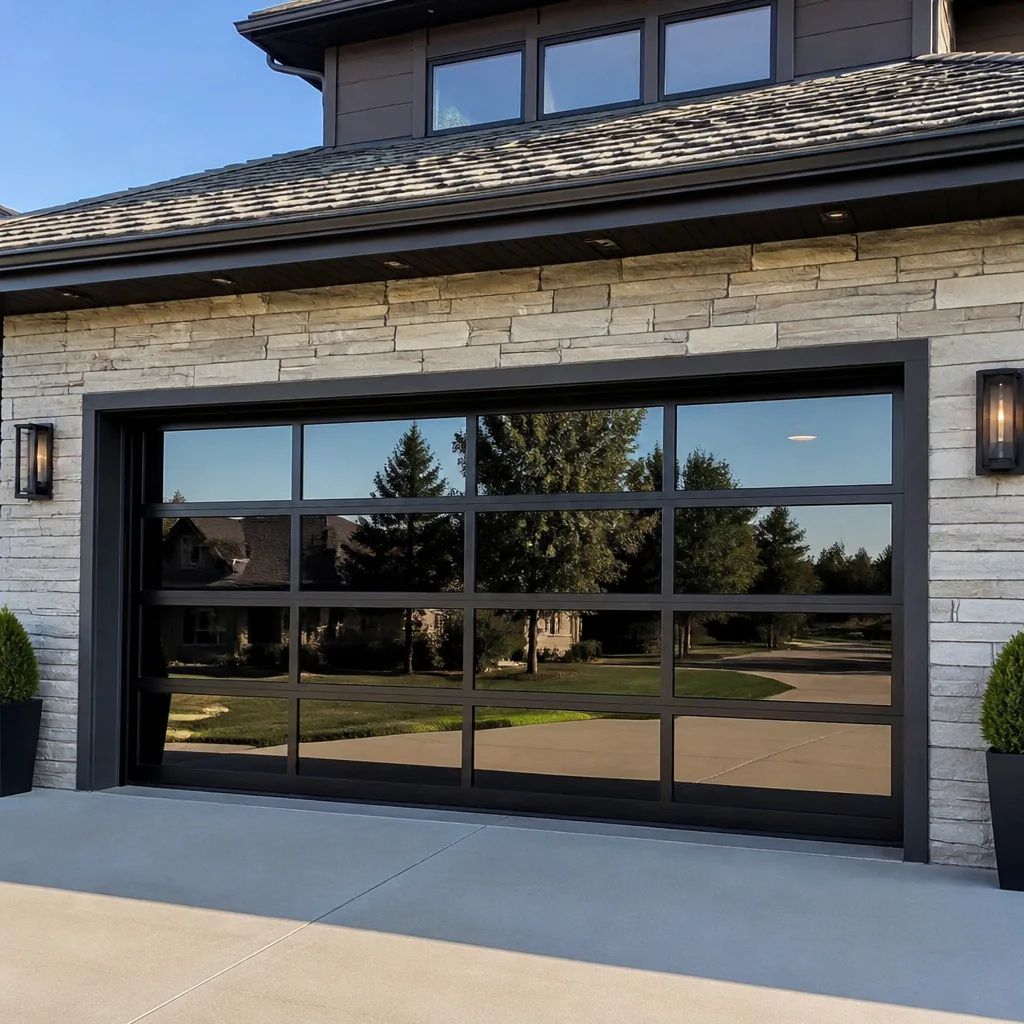 Full-view glass
 LiftMaster openers
 Chamberlain openers
Full 25-point door and opener safety check with every visit - springs, cables, rollers, tracks, and your LiftMaster or Chamberlain opener included
You get a price before we start. It does not change when the pro arrives.
Get your free estimateSeasonal Garage Door Care for Tacoma: Year-Round Homeowner’s Guide
Most garage door maintenance calendars are built for a place with four distinct seasons, and they hand you a tidy list of twelve evenly spaced chores. Tacoma doesn’t work that way. Our year splits into two real modes: a long wet season that starts in October and lingers into spring, and a short dry window that runs roughly from mid-July through September. The work that actually protects your door clusters at the seams between those two modes, not in the middle of either one. Miss the dry window and the paint, seal, and hardware jobs that need dry surfaces wait another year. This guide reorganizes garage door care around Tacoma’s actual weather rhythm, so you’re doing the right task at the right time instead of following a national template that doesn’t fit here.
Quick Answer
Seasonal garage door care in Tacoma comes down to two transition points: prep seals, drainage, and hardware in early October before the wet season sets in, and use the short mid-July through September dry window for painting, refinishing, and hardware inspections that need dry surfaces. Everything in between is light monthly checking. The tasks that fail most often in Tacoma are bottom seals and low-clearance hinges stressed by fall wind and rain, plus springs and openers that need recalibration as temperatures swing.
Styles & brands we work with
- Raised-panel steel
- Carriage house
- Modern flush
- Full-view glass
- LiftMaster openers
- Chamberlain openers
Table of Contents
- The Pre-Wet-Season Checklist: What to Do in October
- Prepping for Tacoma’s Occasional Hard Freeze Without Over-Engineering
- The Dry Season Window: Paint, Seal, and Inspect
- How Summer Heat Affects Spring Tension and Opener Sensitivity
- Fall Wind Events and What They Do to Bottom Seals and Hinges
- A Month-by-Month Tacoma Reminder Calendar
- What You Can Check Yourself and What You Shouldn’t Touch
The Pre-Wet-Season Checklist: What to Do in October
October is the hinge of Tacoma’s year. The dry season is closing, the rain is settling in for months, and anything you neglect now you’ll be paying for in February. This is the single most valuable maintenance window on the calendar. Run through this checklist before the first sustained rain.
- Check the bottom seal end to end. Run your hand along the rubber where it meets the floor. Gaps, cracking, or a seal that’s flattened out let water and wind-driven rain under the door. In Tacoma’s wet months, a failed seal means water pooling at the threshold and eventually reaching the hardware.
- Look at the weatherstripping around the frame. The sides and top take the brunt of driving rain. Torn or hardened strips let moisture in and stress the door’s closing alignment.
- Clear the drainage path. The ground outside the door needs to slope away from the opening. If leaves and debris have built up against the threshold or the apron holds standing water, that water finds its way to the bottom of the door and the tracks.
- Wipe down and lubricate the hardware. Rollers, hinges, and the spring assembly benefit from a proper garage door lubricant before the wet season. Puget Sound air is humid through the fall and winter, and exposed metal that goes into that stretch dry and unprotected is the metal that starts to corrode.
- Test the door by hand. Disconnect the opener and lift the door manually. It should move smoothly and stay balanced at the halfway point. If it feels heavy or binds, address it now, before the wet season makes every issue worse.
Getting this done in early October means the door goes into the rainy stretch in good shape. If you’d rather have a trained eye run through it, we handle garage door repair across Tacoma and can check seals, tracks, and hardware in one visit.
Prepping for Tacoma’s Occasional Hard Freeze Without Over-Engineering
Tacoma rarely hits single digits, but an occasional hard freeze does happen, and a garage door is more exposed to it than most of the house. The mistake is preparing for a Midwest winter in a climate that doesn’t have one. You don’t need to insulate everything, wrap pipes, or install a heater. You need to make sure the parts that bind, stiffen, or crack when temperatures drop are ready for a short cold snap.
Here’s what actually matters when a freeze is forecast:
- Lubricant, not grease. A door that was lubricated with the right product in October handles a freeze fine. Heavy grease thickens in cold and drags on the rollers. If you’re lubricating in late fall, use a product meant for cold-weather garage door hardware.
- Seal flexibility. Rubber that’s already hardened or cracked gets brittle in a freeze and can tear. October is when you replace it, so it’s flexible when the cold arrives.
- Opener sensitivity. Cold makes the whole door stiffer to move. An opener set right at its force limit in mild weather can trip its safety reverse in a hard freeze. The fix is recalibrating sensitivity before the cold, not pushing it to the max. More on that below.
- Tracks and ice. If water gets into the tracks and freezes, the door binds. Clearing drainage in October prevents most of this.
Use the dry weeks of late summer and early fall for this prep, not the middle of a cold snap. If the door is already struggling, a pre-winter check on your opener is the smart move, and that’s the kind of work we do through garage door opener repair.
The Dry Season Window: Paint, Seal, and Inspect
This is the part most local guides skip, and it’s the part that costs Tacoma homeowners the most when they miss it. Tacoma’s reliable dry stretch is short, roughly mid-July through September. That three-month window is the only time of year you can count on dry surfaces long enough to repaint, re-seal, and do hardware inspections that a wet season makes impossible.
Work that belongs in the dry season:
- Refinishing wood doors. A wood door has to be fully dry before you sand, stain, or seal it. In the wet months, moisture in the wood means the finish won’t bond and will fail early. If you have a wood or wood-composite door, this is the task that justifies planning your summer around a weekend.
- Painting steel and aluminum. Paint adhesion depends on a dry, clean surface and a stretch of dry weather for curing. Tacoma’s dry window gives you that; a wet-season paint job doesn’t.
- Hardware inspection. When surfaces are dry, you can see corrosion, cracking, and wear that moisture hides. Rollers, cables, and hinges are easier to assess accurately without rain and humidity in the picture.
- Re-sealing joints and weatherstripping. Sealant cures poorly in wet conditions. Doing this in dry weather extends its life through the wet season considerably.
If your door is showing its age and refinishing isn’t going to buy you much more time, the dry season is also when a replacement makes the most sense, because new garage door installation is measured and scheduled when the weather cooperates. Plan it early rather than discovering the dry window has closed.
How Summer Heat Affects Spring Tension and Opener Sensitivity
Garage door springs are metal under tension, and metal behaves differently depending on temperature. This is one of the least understood parts of seasonal care, and it’s why a door that works fine in January can act up in July.
In cold weather, a torsion spring is slightly more relaxed and the whole door assembly is stiffer. In the heat of summer, the metal expands and the spring’s tension changes. If your springs were tensioned or adjusted in the cool months, they can run a touch tight in July. The door may feel harder to lift or close than it did, or the opener may have to work harder. You don’t fix this yourself. Spring tension is one of the most dangerous adjustments in the trade, and it’s the wrong place for a homeowner to experiment. What you do is notice the change and have it checked.
Openers have a matching seasonal issue. The safety reverse system on your opener has a sensitivity setting. As the door’s weight and friction change with the seasons, an opener set to the edge in mild weather can start to trip or fail to reverse in extreme heat or cold. The correct response is to recalibrate sensitivity to the door, not to crank it up and disable the safety feature. Our technicians have up to 9 years of experience and recalibrate openers from a full range of platforms, including LiftMaster and Chamberlain myQ-compatible systems, so the door behaves the same in July as it does in February. That recalibration is part of a proper Tacoma garage door repair visit.
If the door has started reversing on its own or stopping partway, don’t ignore it. It’s a signal, not an annoyance.
Fall Wind Events and What They Do to Bottom Seals and Hinges
Rain isn’t the only thing that hits a garage door in Tacoma. Our late-fall wind events, and especially the ones coming out of the southeast, stress the door in ways a wet, still day never does. Wind-driven rain finds every gap, and it pushes against the door face hard enough to work the bottom seal and the low-clearance hinges.
What to watch for as the wind season builds:
- Bottom seal gaps. Wind pressure at the floor can lift a marginal seal and drive water underneath. A seal that passed a visual check in summer may not survive an October wind storm if it was already flattened or worn.
- Low-clearance hinges. Where the door has tight overhead clearance, the hinges take more stress from the constant flexing that wind-driven movement creates. Stiff or worn hinges show up fastest at these points, and they’re a common source of squeaks and binds before they fail.
- Loose tracks. Wind buffeting against a door with slightly loose track brackets is a slow path to misalignment. Checking hardware tightness before fall storms is cheap insurance.
This is why the October checklist emphasizes seals and hardware. If your door is approaching its limit, we offer a Tacoma Garage Door Repair Experts emergency service when a door fails and leaves a car trapped or a home exposed. Wind and storm damage that takes a door down is exactly the kind of failure that needs a fast response rather than a wait-until-next-week appointment.
A Month-by-Month Tacoma Reminder Calendar
This calendar follows Tacoma’s rhythm rather than a generic four-season template. The months with nothing listed are genuinely low-maintenance; the work lives at the transitions.
- January: Listen for new squeaks and check that the door reverses when the opener is tested.
- February: Time the door’s open and close cycle; if it’s slowing noticeably, note it for a spring check.
- March: Check the bottom seal for damage hiding under a wet, dark spring.
- April: Watch for water pooling at the threshold after heavy rain; adjust drainage outside.
- May: Light lubrication of hinges and rollers ahead of summer heat.
- June: Book any refinish or paint work now so the dry season doesn’t fill up.
- July: Dry season starts – sand, stain, seal, or paint wood and metal doors, and check hardware in dry conditions.
- August: Re-seal joints and weatherstripping while surfaces are dry; recalibrate opener sensitivity for the heat.
- September: Last reliable dry month – finish all finish work and hard surface inspections.
- October: The big pre-wet-season pass: seals, weatherstripping, drainage, hardware, and a manual balance test.
- November: Fall wind season – check low-clearance hinges and track tightness after the first big storm.
- December: Cold-snap prep: confirm the seal is flexible and the opener force isn’t set at its limit.
You’ll notice the weight of this list sits in July, August, September, and October. That’s intentional. If you get those months right, the rest of the year mostly takes care of itself.
What You Can Check Yourself and What You Shouldn’t Touch
Homeowners can do a lot of garage door maintenance safely, and they should. Walking the seal, clearing debris, lubricating hinges, watching the door cycle, and testing the safety reverse are all within reach. The line is drawn by danger, not effort.
Two things are genuinely dangerous and should always be left to a trained professional: springs and anything that puts you in reach of high-tension or high-electrical work.
- Springs. Torsion and extension springs store enormous energy. Releasing or adjusting the wrong way can cause severe injury. There’s no safe homeowner fix for a broken or mis-tensioned spring – this is where a trained technician earns their keep.
- Opener wiring and electrical panels. If the opener’s wiring or the circuit feeding it is the problem, that’s an electrician’s job unless the issue is purely in the opener unit itself.
- Anything overhead. When you’re on a ladder reaching for tracks, springs, or the opener rail, the risk of the door coming down or the ladder moving isn’t worth the savings.
A broken spring is the classic case. It usually happens without warning, often when it’s cold, and the door won’t open. We get a lot of these calls, and the response is to make it garage door repair the same day when we can. Spring repair done safely, with the right tools and proper training, is the whole reason this isn’t a weekend DIY project.
Common Mistakes to Avoid
- Following a national four-season calendar. A generic guide tells you to do maintenance evenly across twelve months, which wastes the dry season and misses the October transition. Tacoma’s work is concentrated in two windows, and spreading it evenly means you’ll rush a paint job in the rain.
- Painting or sealing outside the dry window. Tacoma’s wet months make finish work last poorly. Wait for mid-July through September, even if the door looks tired in spring.
- Over-prepping for cold. Insulating and wrapping for a severe winter in a climate that rarely freezes hard is wasted effort. Focus on seal flexibility and opener sensitivity instead.
- Ignoring the bottom seal until it fails. A worn seal lets the fall wind and rain in, and by the time you notice water, the hardware has been damp for weeks. Check it in October every year.
- Cranking up opener sensitivity. When the door starts reversing in hot or cold weather, turning up the force disables the safety feature. Recalibrate it instead.
- Skipping the fall hardware check. Fall wind storms stress low-clearance hinges and track brackets. A few minutes checking for looseness in October prevents a misaligned door in December.
- Attempting spring or electrical work. If a spring or wiring issue comes up during your own check, stop and call a professional. The savings aren’t worth the injury risk.
See the difference
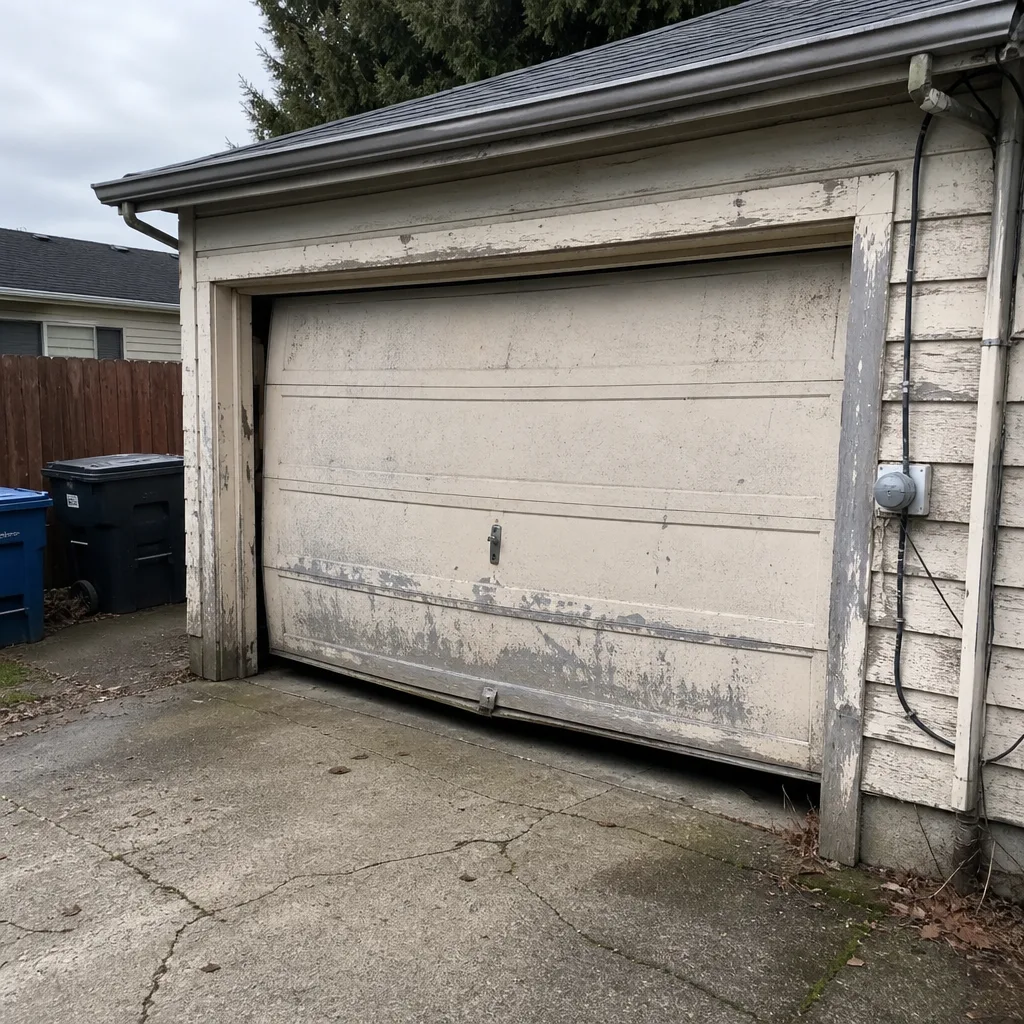 Before
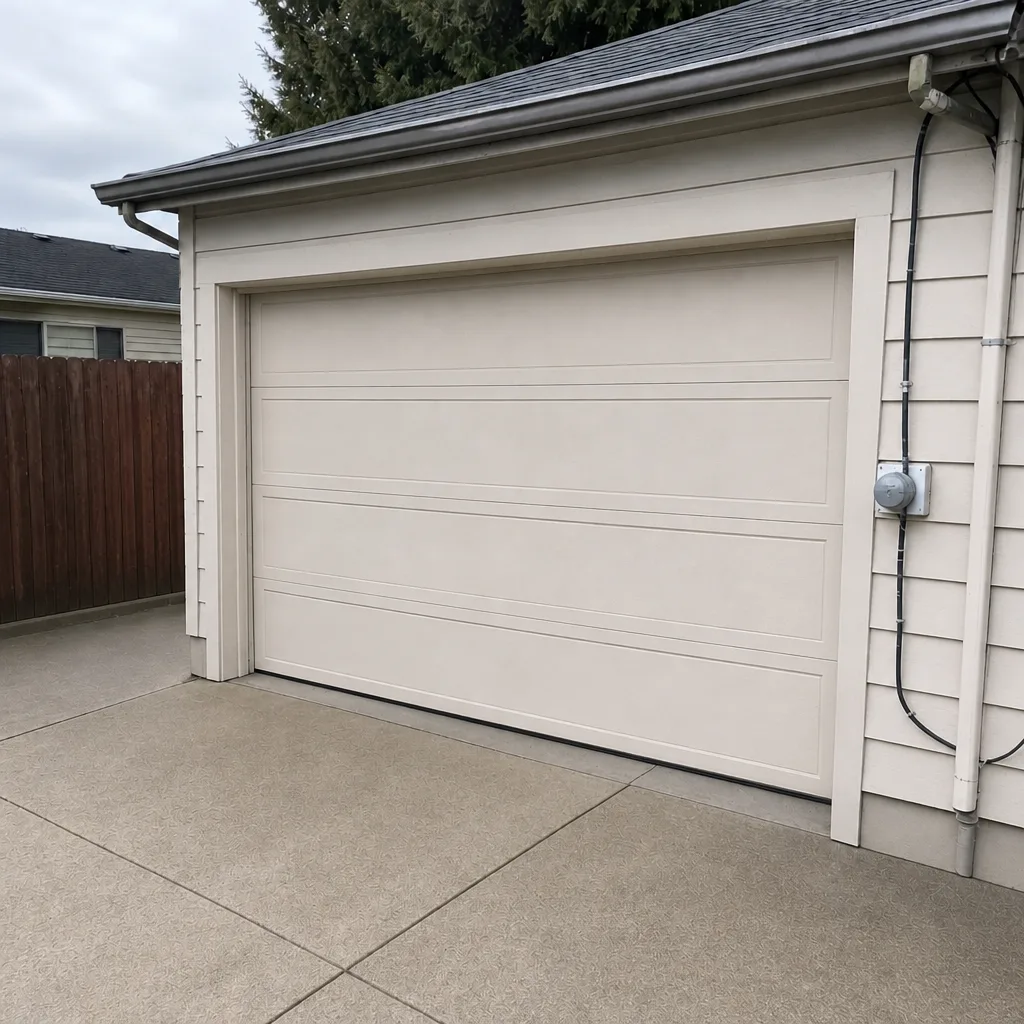 After
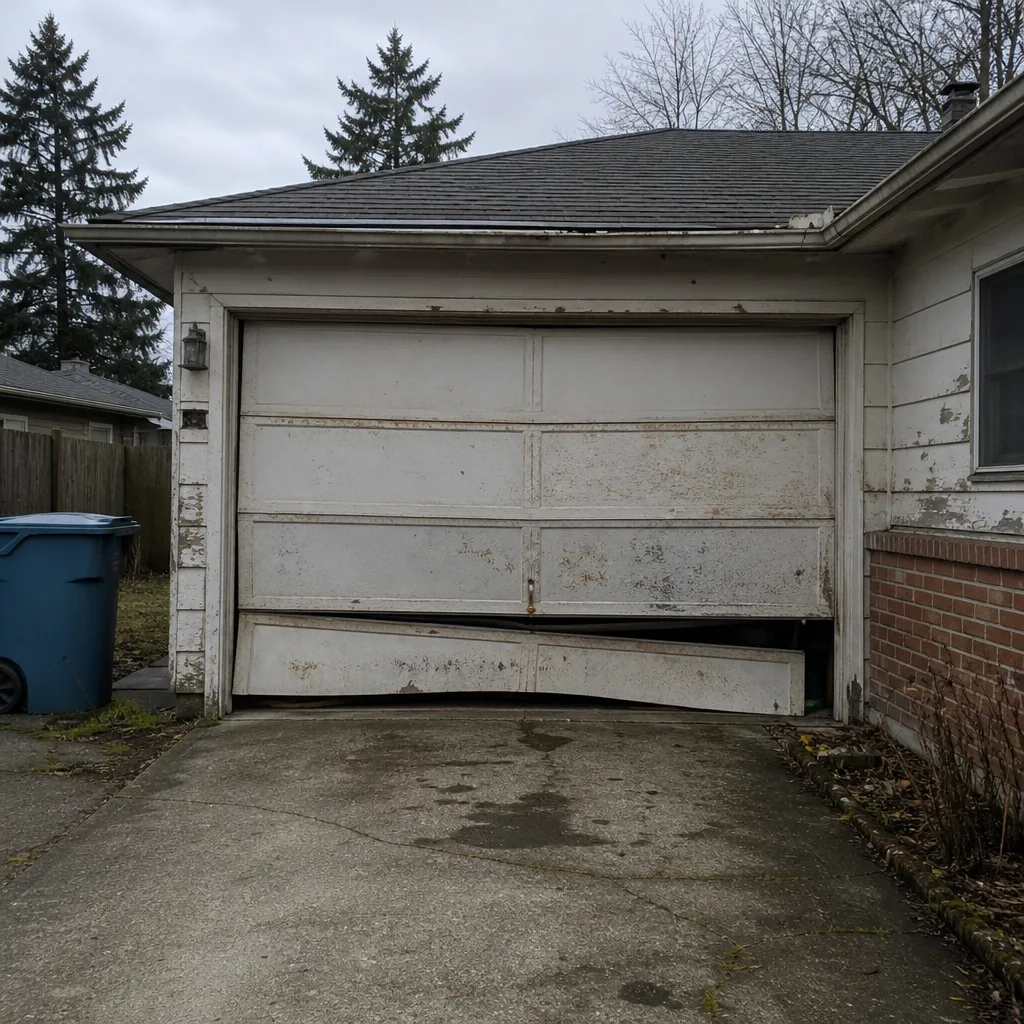 Before
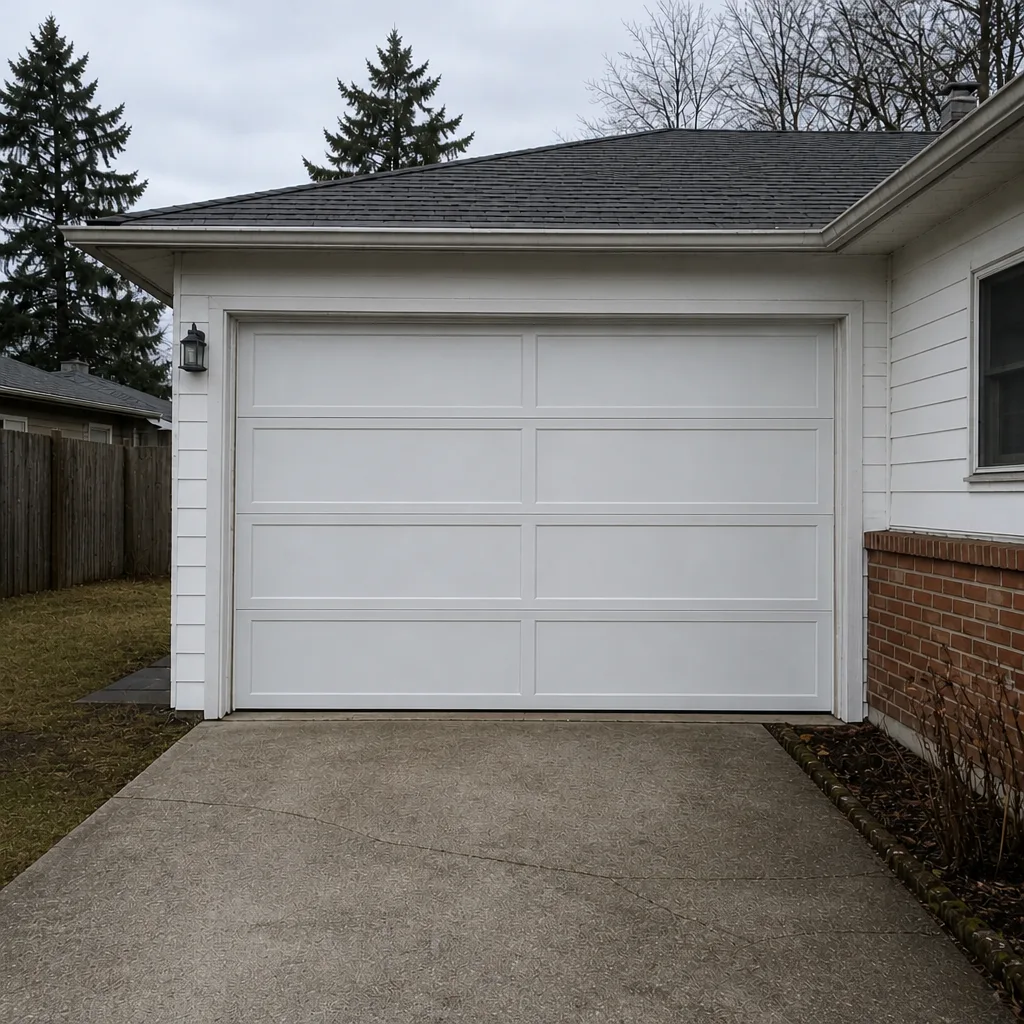 After
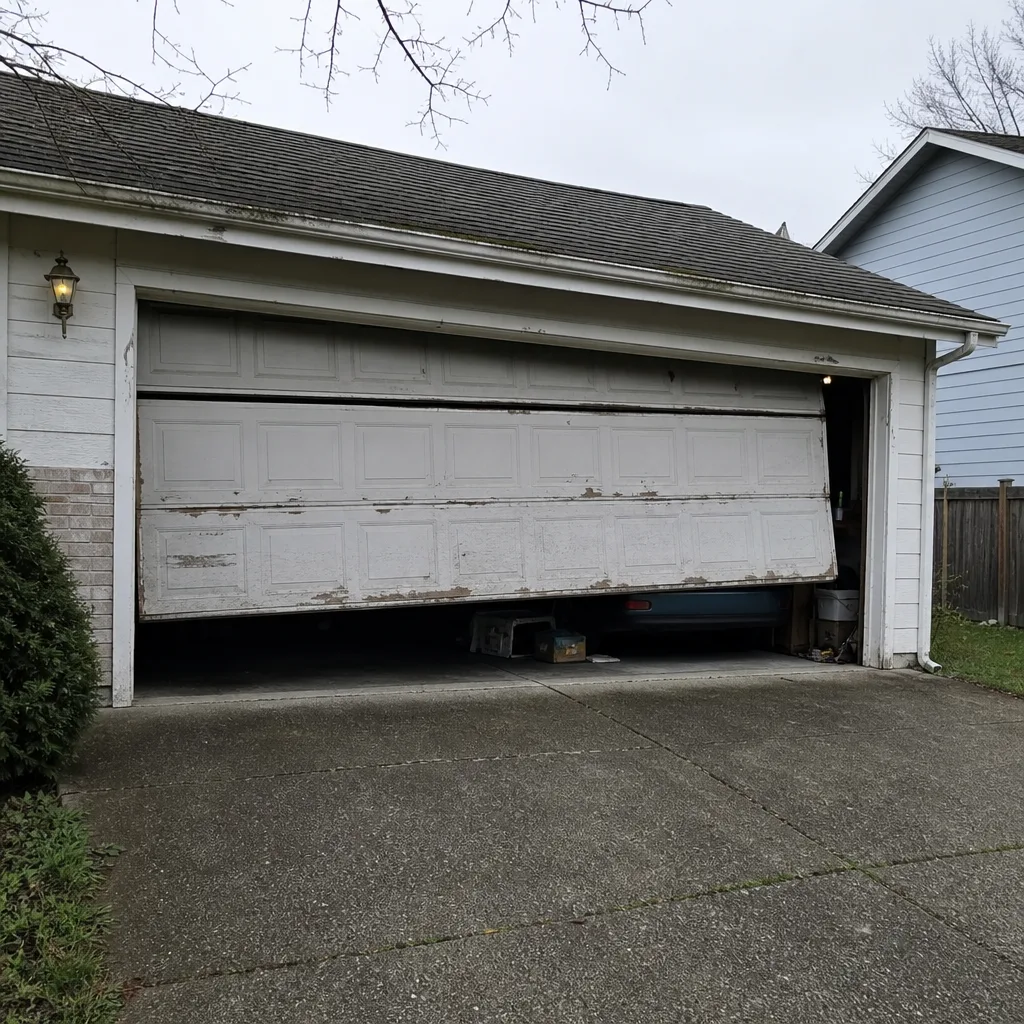 Before
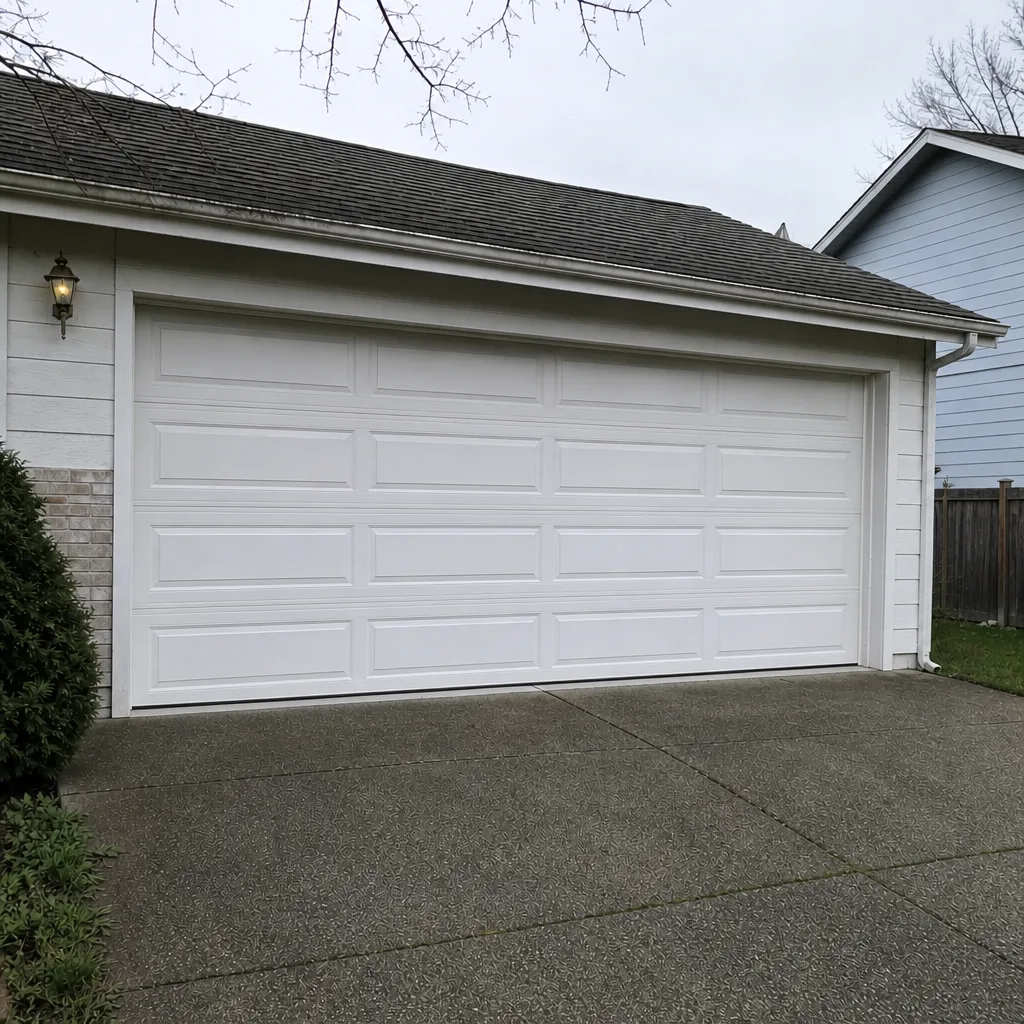 After
When to Call a Professional
Some seasonal issues are obvious – a snapped spring, a door that won’t close, an opener that reverses without reason. Others are subtler: a door that’s stiffer in one season than another, a seal that’s flat but not torn, a hinge that’s started squeaking under fall wind. If your door is materially harder to move than it was last season, reverses or stops without reason, or you’ve seen corrosion on the springs or hardware, it’s worth a look. We’re a single-specialty garage door company, and garage doors are all we do. That means we diagnose the specific system you have – a Craftsman opener on a Wayne Dalton door, a Clopay door with a Genie opener – without guesswork. Tacoma Garage Door Repair Experts offers free estimates in Tacoma – call (855) 658-4082, and we’ll take a look and quote the work before anything starts.
Frequently Asked Questions
The highest-value work happens in October, right before the wet season, when you check seals, drainage, weatherstripping, and hardware. The second window is July through September, when you paint, refinished wood, re-seal, and inspect hardware in dry conditions. If you only do two maintenance passes a year, those are the two.
Not reliably. Paint and finish need dry surfaces and a stretch of dry weather to cure. Tacoma’s wet months don’t cooperate, which is why we recommend scheduling refinishing for mid-July through September. A wet-season paint job tends to fail early. Call (855) 658-4082 for an estimate if you’d rather have it done right in the dry window.
Springs and opener sensitivity respond to temperature. Metal expands in heat and the spring’s tension changes, which can make a door that was smooth in January feel tighter in July. Openers set to the edge can start reversing or tripping in extreme temperatures. The fix is recalibrating sensitivity to the door, not turning up the force. A trained technician handles this quickly.
Make sure the bottom seal is flexible, not cracked or hardened, so it doesn’t tear when cold. Confirm the opener isn’t set at its force limit, since a cold door is stiffer. And make sure water isn’t getting into the tracks where it can freeze. You don’t need heavy insulation for Tacoma’s climate.
No. Torsion and extension springs store a lot of energy, and releasing or adjusting one wrong can cause serious injury. Spring repair is work for a trained technician with the right tools. If your spring breaks, call (855) 658-4082 for an estimate and a same-day visit where possible.
Late-fall southeast wind in Tacoma drives rain into gaps and pushes against the door face, which stresses the bottom seal and low-clearance hinges. The result is water getting under the door and hinges that wear or bind faster than they would on a calm, wet day. Checking seals and hardware in October catches most of it before the storms arrive.
The Bottom Line
Tacoma’s garage door calendar isn’t a twelve-month template. It’s two transition points: October, when you prep seals, drainage, and hardware for a long wet season, and the short mid-July through September window, when dry surfaces let you paint, re-seal, and inspect properly. Springs, opener sensitivity, and wind-stressed hinges need attention at those seams too, and anything involving spring tension or electrical work is a professional’s job. Get those four months right and the rest is light checking. Our technicians have up to 9 years of experience with the systems Tacoma homes run, from LiftMaster and Chamberlain openers to Clopay and Amarr doors, and we can work through your seasonal list with a free estimate. Call (855) 658-4082 when you’re ready to schedule.
Written by the team at Tacoma Garage Door Repair Experts.