Last updated November 23, 2026
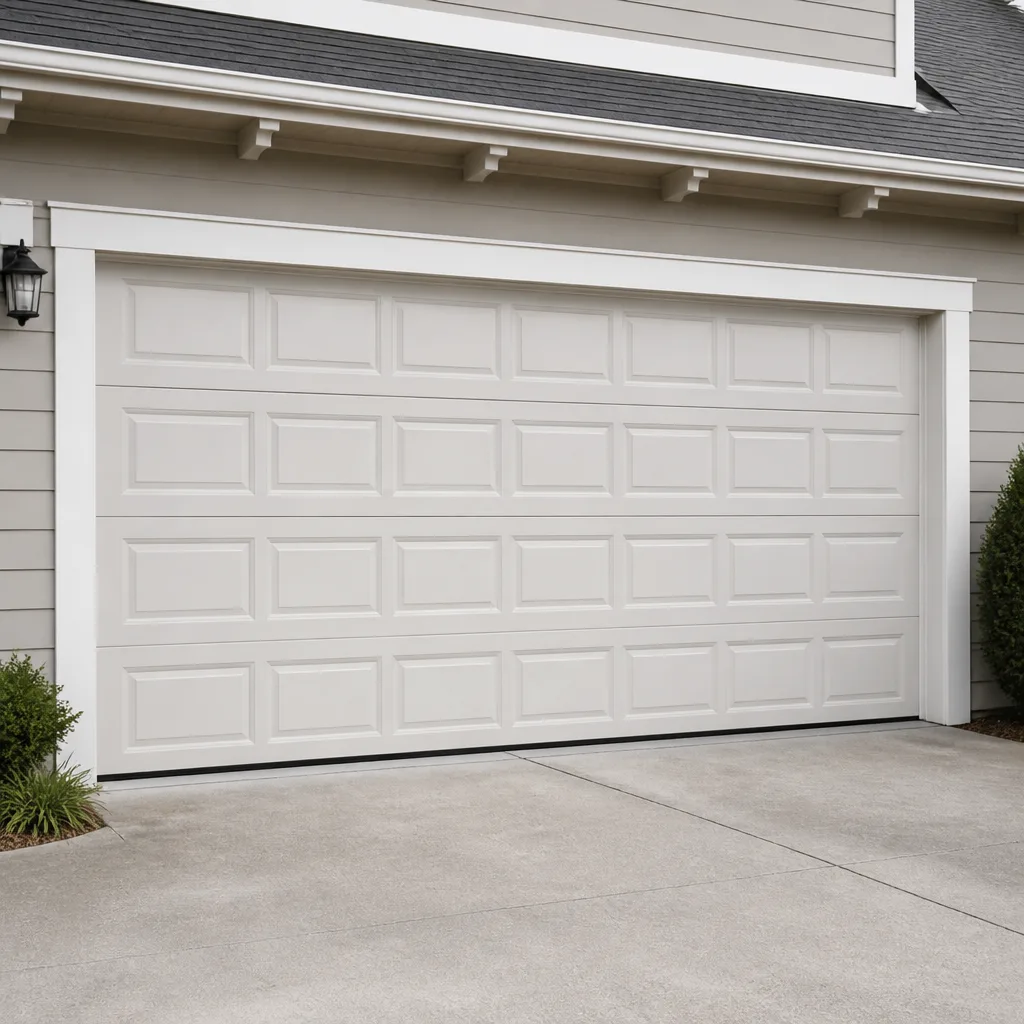 Raised-panel steel
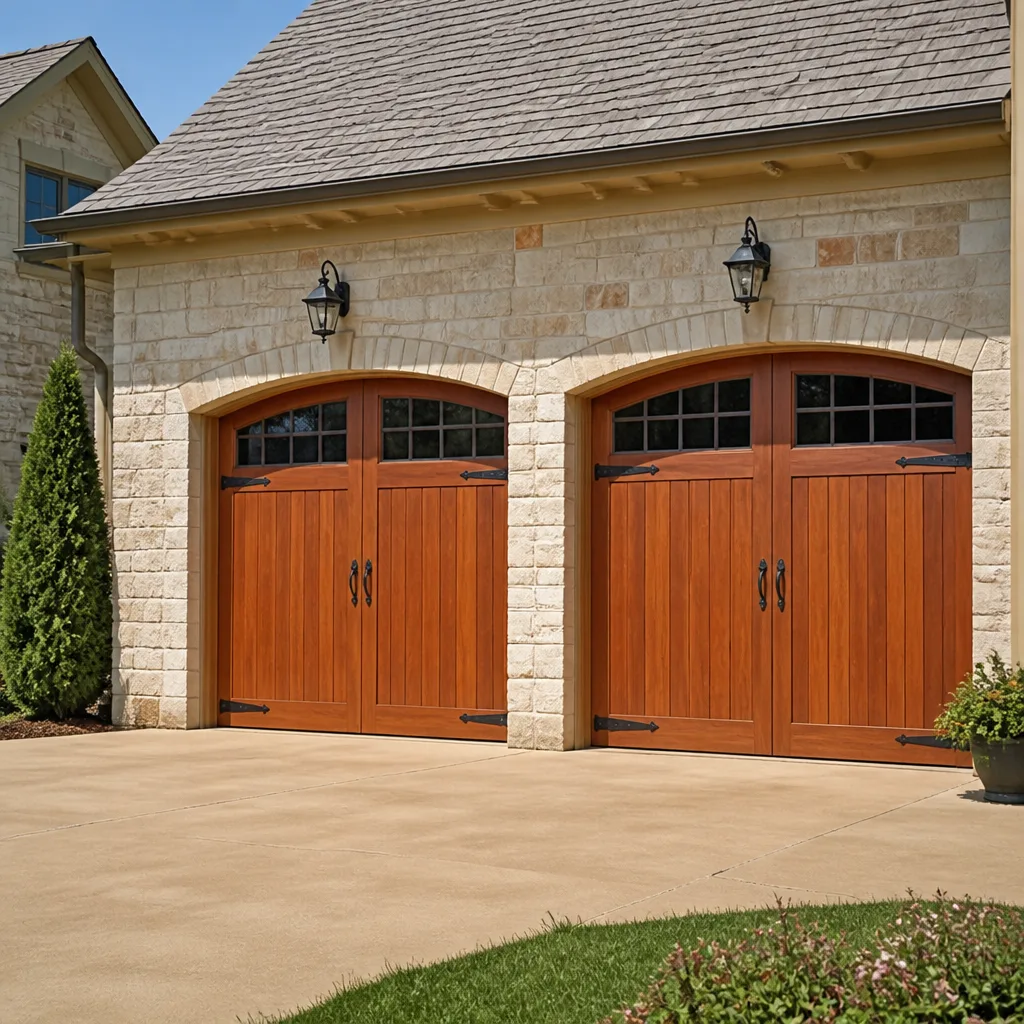 Carriage house
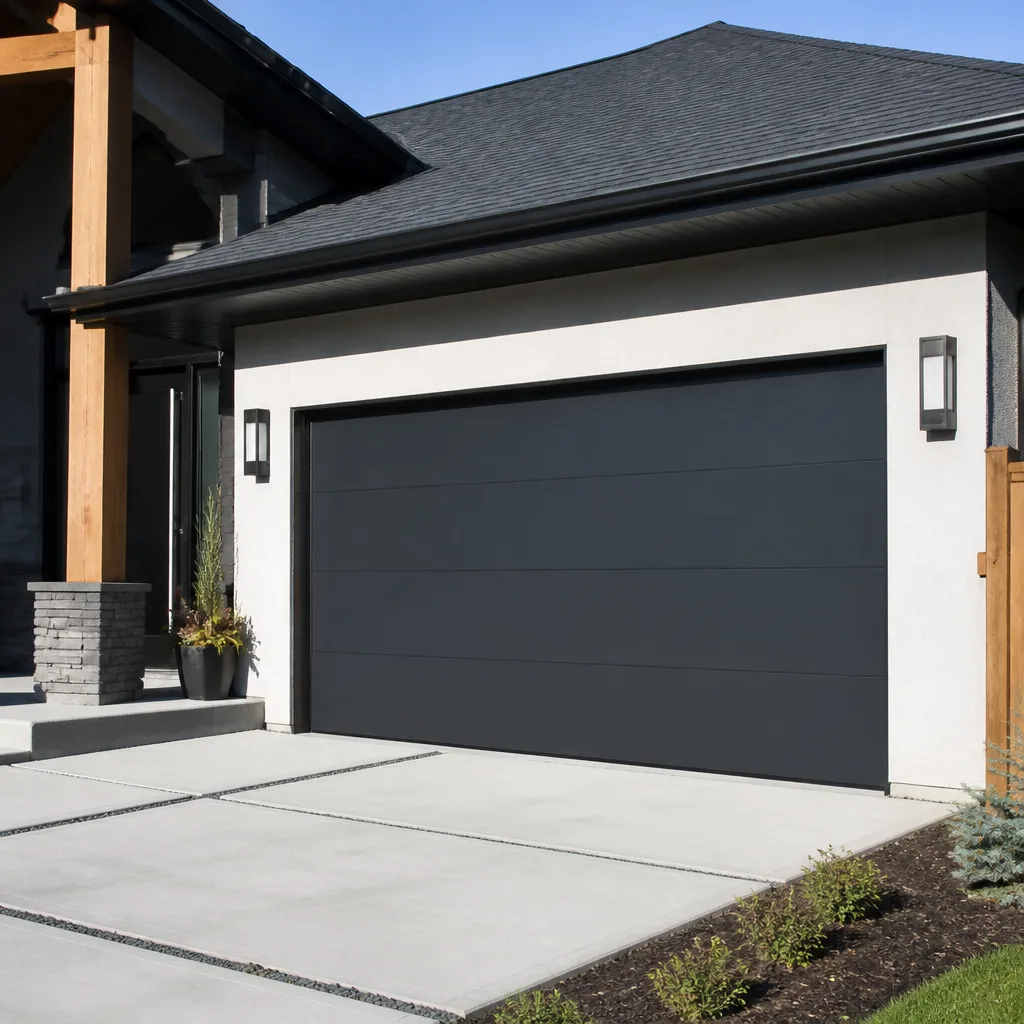 Modern flush
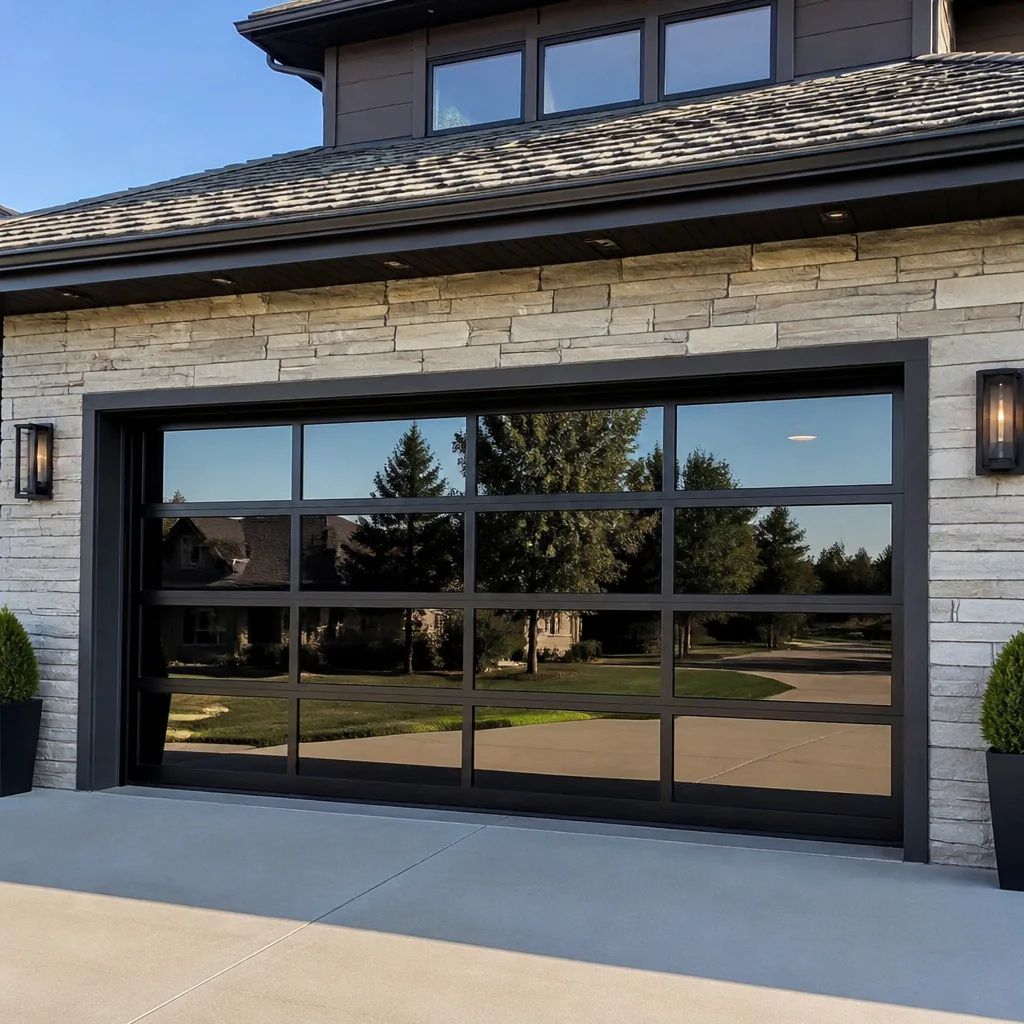 Full-view glass
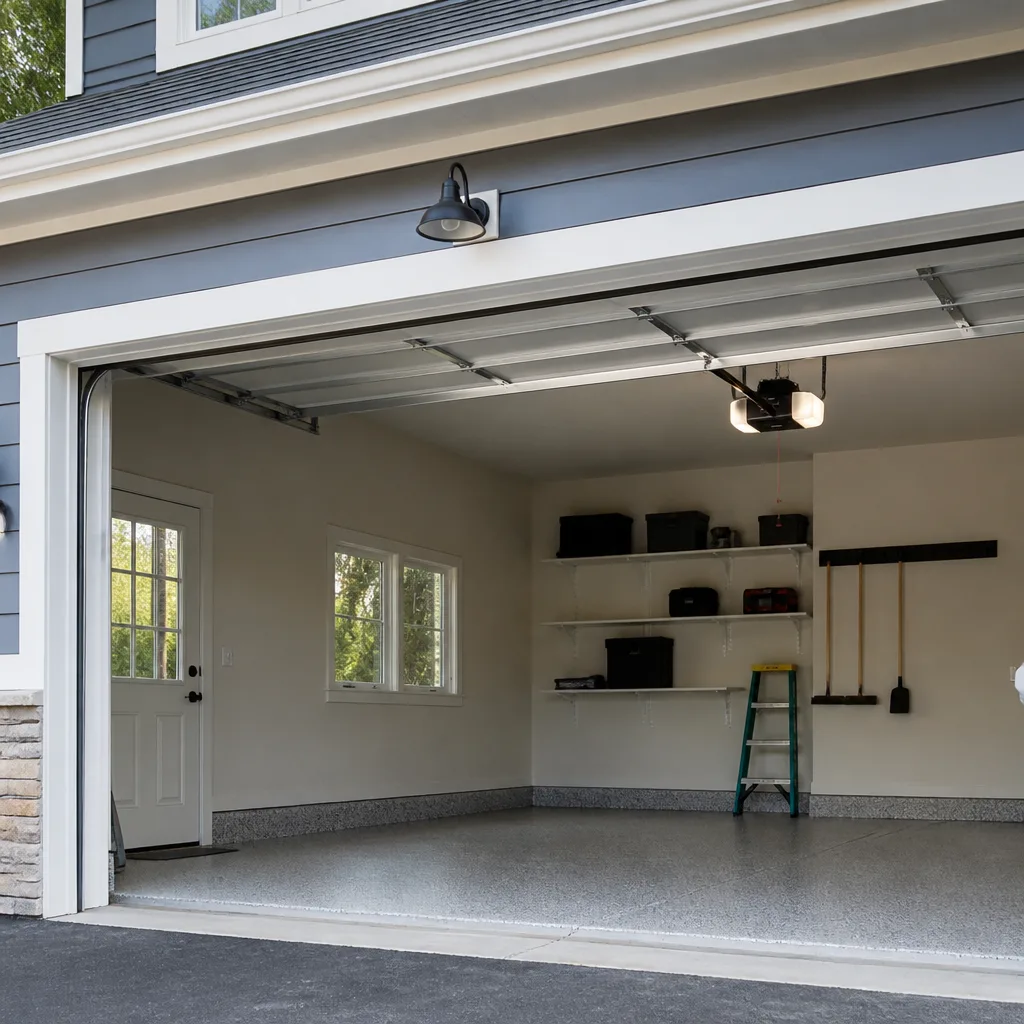 LiftMaster openers
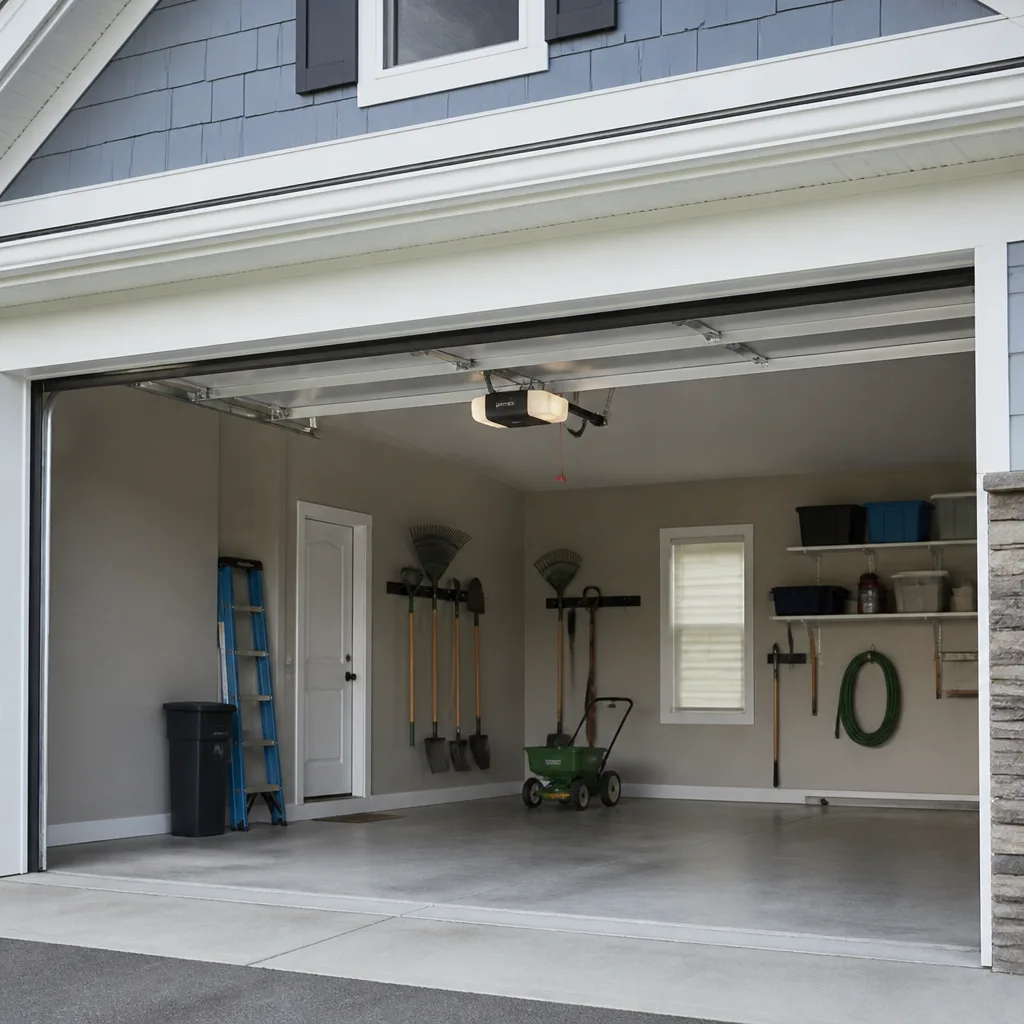 Chamberlain openers
Full 25-point door and opener safety check with every visit - springs, cables, rollers, tracks, and your LiftMaster or Chamberlain opener included
You get a price before we start. It does not change when the pro arrives.
Get your free estimateGarage Door Cost Breakdown: The Tacoma Homeowner’s Reference for 2026
The national average for a torsion spring replacement sits somewhere around $150 to $350, and in Tacoma that number is close to meaningless. Not because it’s wrong everywhere, but because it hides the two things that actually set your price: the cycle rating of the spring your door needs and the labor rate a specialty contractor has to sustain to stay in business here. Pacific Northwest homes cycle their doors hard, and a cheap spring that passes inspection in a milder climate can fail inside a couple of seasons in Tacoma. This reference breaks down the ten most common jobs line by line, explains why Tacoma pricing diverges from Seattle and Portland, and shows you how to tell a fair quote from a padded one.
Quick Answer
Most garage door work in Tacoma runs from roughly $95 for a basic service call to $2,800 or more for a full door and opener replacement. Spring replacement is typically $180 to $340 for one torsion spring, opener repair usually lands between $120 and $320 depending on the part, and a new door installed with a fresh opener commonly falls in the $1,400 to $2,800 range. Every figure here is an estimate for planning; the written quote you get before work starts is the price you pay.
Styles & brands we work with
- Raised-panel steel
- Carriage house
- Modern flush
- Full-view glass
- LiftMaster openers
- Chamberlain openers
Table of Contents
- The Ten Most Common Garage Door Jobs in Tacoma, Priced Line by Line
- Why Tacoma Labor Rates Differ From Seattle and Portland
- The Hidden Costs That Inflate Final Invoices
- Repair or Replace? The Cost-Per-Year Math
- Spring Pricing: What One Spring Actually Costs, and Why a Pair Costs About Twice That
- Red Flags That Tell You a Quote Is Too Low or Too Vague
- How to Compare Two Garage Door Quotes in Tacoma, Step by Step
- Brand Fluency and Why It Affects What You Pay
The Ten Most Common Garage Door Jobs in Tacoma, Priced Line by Line
Quotes that lump everything into one number are hard to judge. When parts, labor, and disposal appear as separate lines, you can see where a quote is generous and where it’s thin. Here are the ten jobs we handle most often in Tacoma, with typical ranges for each component. All figures are estimates for Tacoma-market planning, and the written estimate sets the final price.
| Job | Parts (typical) | Labor (typical) | Disposal / Other | Total Range |
|---|---|---|---|---|
| Torsion spring, one spring | $60 – $140 | $90 – $160 | $0 – $15 | $180 – $340 |
| Torsion spring, matched pair | $120 – $280 | $160 – $280 | $0 – $20 | $300 – $580 |
| Extension spring pair | $50 – $110 | $90 – $160 | $0 – $15 | $160 – $290 |
| Opener repair (gear, capacitor, logic board) | $35 – $160 | $85 – $150 | $0 | $120 – $320 |
| New opener installed (belt or chain) | $180 – $380 | $150 – $300 | $0 – $30 | $380 – $700 |
| Cable replacement (per side) | $25 – $70 | $90 – $150 | $0 | $140 – $260 |
| Roller replacement (full set) | $30 – $90 | $80 – $150 | $0 | $130 – $260 |
| Panel replacement (one section) | $120 – $400 | $100 – $200 | $20 – $50 | $240 – $650 |
| Door installation, single-car | $600 – $1,400 | $400 – $700 | $50 – $120 (permit, haul-away) | $1,100 – $2,200 |
| Door plus opener, double-car | $1,000 – $1,900 | $500 – $800 | $60 – $150 | $1,600 – $2,800 |
A few notes on reading that table. Spring prices are per spring, not per door; most doors use a matched pair, so budget roughly double the single-spring figure if both are being replaced together. Panel replacement depends heavily on whether the manufacturer still makes your profile, which is where brand knowledge matters. And installation figures don’t include structural framing changes if the opening isn’t standard, which is a separate conversation once a technician measures the opening.
Why Tacoma Labor Rates Differ From Seattle and Portland
Tacoma sits about 22 miles south of Seattle and roughly 150 miles north of Portland, and the price gap between those three markets is real but not dramatic. The difference isn’t geography for its own sake; it’s what each market demands of a specialty contractor.
Seattle labor rates run higher because the cost of operating a business inside the city is higher: commercial space, vehicle costs, and the general cost of living all push rates up. Portland’s rates often land a bit below Tacoma’s on paper, but the gap has narrowed as Portland’s housing stock ages and demand for spring and opener work has climbed.
What makes Tacoma its own market is the housing mix. A large share of Tacoma homes were built in the mid-twentieth century, which means single-car garages, wood-frame construction, and doors that have been through a lot of wet winters. That combination drives specific demand: springs that fail from cycle wear rather than abuse, tracks that drift out of alignment as the structure settles, and older openers that need legacy-compatible parts rather than a modern smart unit. A contractor who knows that pattern can price accurately. One who doesn’t tends to pad the quote to cover uncertainty.
Three things actually drive the labor number on a Tacoma quote:
- Spring and cable work carries a skill premium. These components are under high tension and genuinely dangerous to touch. A general handyman who quotes spring work cheaply is either not doing it right or not doing it at all.
- Parts sourcing speed. A contractor who works regularly with Wayne Dalton, LiftMaster, and the other major lines can order the right part the first time. That efficiency is built into fair quotes.
- Minimum service call economics. A specialty trade can’t survive on $40 visits. Labor lines that look suspiciously cheap usually hide a trip fee or a low-grade part.
You can see how these factors combine on our garage door repair service page, but the short version is this: Tacoma pricing is middle-of-the-road for the region, and a quote that lands far below the ranges above deserves questions.
The Hidden Costs That Inflate Final Invoices
The most common complaint we hear isn’t about the base price. It’s about the invoice that arrived with more lines than the quote did. These are the charges that appear after the fact, and knowing them in advance lets you ask the right questions before anyone touches your door.
- Trip fees. Some companies quote a low service call and add a separate trip charge once the technician arrives. Ask upfront whether the service call fee is all-inclusive.
- After-hours surcharges. Emergency work outside normal hours can carry a premium. That’s reasonable, but it should be disclosed before dispatch, not added at the end.
- Permit fees for full replacements. Most cities require a permit for a new door installation, and the fee varies. Ask your city’s building department what applies to your address, and confirm whether the contractor includes it in the quote.
- Disposal of old panels and hardware. Removing a door and hauling it away has a real cost. A fair quote lists it as a line, not a surprise.
- Hardware upgrades framed as necessary. New rollers, hinges, or bearings can genuinely improve a door, but only some of them are required for the job at hand. Ask which items are necessary and which are optional.
- Structural or framing adjustments. If the opening isn’t square, or the header isn’t what was expected, additional carpentry can be needed. A proper measure before the install is what surfaces this early.
Our rule is simple: the written estimate you agree to before any work begins is the price you pay. If a technician finds something unexpected mid-job, that becomes a new conversation with a new written number, not a line item slipped onto the final bill.
Repair or Replace? The Cost-Per-Year Math
A door that’s failing in its fifteenth wet Tacoma winter is telling you something. The question is whether you’re better off spending a few hundred dollars to keep it going or a couple thousand to replace it. The answer comes from a simple cost-per-year calculation.
Here’s how to run it.
- Add up what you’ve spent on repairs in the last two years. Include service calls, parts, and anything else.
- Divide that total by two to get your current annual repair cost.
- Estimate the remaining life of the door. A well-maintained steel door in this climate typically runs 15 to 20 years before major components or panels become a problem. If you’re past that window, remaining life is short.
- Divide your current repair cost into the replacement cost. That gives you the break-even point in years. If the door has more years left than the break-even number, repair wins. If it has fewer, replacement starts to make financial sense.
Two Tacoma-specific factors shift this math. First, wet winters accelerate wear on rollers, hinges, and the door’s finish, which means repairs tend to cluster as a door ages. Second, replacement cost has a hidden upside most calculators miss: a new door with a properly sized and rated spring needs less frequent service, and the next repair bill arrives later. That reduction in near-term repair frequency belongs in the equation.
The honest rule of thumb: if a single repair costs more than a third of what a new door would, and the door is already past the midpoint of its expected life, replacement is worth pricing out. That’s a conversation, not a firing squad, and no reputable contractor will push replacement when a repair is the right call. When repairs do spiral into replacement, our garage door installation service handles the transition under one roof, so you’re not starting the search over.
Spring Pricing: What One Spring Actually Costs, and Why a Pair Costs About Twice That
Torsion spring replacement in Tacoma typically runs $180 to $340 for one spring, and $300 to $580 for a matched pair. The reason a pair costs about double the single-spring price is straightforward: a pair of torsion springs is two physical springs working together, so you’re buying two parts and the labor to install and balance both.
This is where the cycle rating matters, and it’s where a lot of cheap quotes fall apart. Springs are rated by cycle count. A lower-rated spring costs less to buy and fails faster. A higher-rated spring costs more upfront and lasts considerably longer. In a wet climate where doors get cycled several times a day, the cheap spring is not a bargain; it’s a repeat visit.
What makes spring work its own category is the danger. Torsion springs are wound to high tension, and the force stored in them can cause serious injury in a fraction of a second if a winding bar slips or a cable fails while you’re near it. Our advice is direct: don’t touch them. No amount of video-watching substitutes for the tools, technique, and experience this job requires. Garage door repair is the category, but spring work specifically is where a trained professional earns every dollar of the labor charge.
On the quote itself, three lines should appear:
- The spring or springs being replaced, with the cycle rating stated. If the rating isn’t on the quote, ask.
- The labor to remove, install, and balance.
- Any cable or bearing work being done at the same time. If a technician opens the housing and finds a frayed cable, that’s a separate part and a separate line.
The full picture on how this work proceeds and what it involves is covered in more detail on our spring-focused pages, but the pricing rule you need is this: two springs, two parts, roughly double the labor, and only a written quote confirms your number.
Red Flags That Tell You a Quote Is Too Low or Too Vague
An unusually low spring quote isn’t a bargain; it’s usually a signal about what’s being installed. Cheap springs mean low cycle ratings, and low cycle ratings mean the next failure arrives sooner than it should. The same logic applies across the quote: price that’s well below market is usually hiding something.
These are the patterns to watch for.
- A spring price meaningfully below $180 for one spring. That’s typically a low-rated spring paired with labor that leaves no room for proper balancing.
- A lump “labor” line with no scope. “Labor: $400” tells you nothing. It should break out what’s being removed, what’s being installed, and whether alignment, balance, and safety testing are included.
- Add-ons that appear after the technician is on-site. Hardware upgrades, torsion conversions, and opener replacements can be legitimate, but the quote process should have surfaced them first. Ask for a written price on anything not on the original estimate.
- No cycle rating on the spring quote. The rating is the single most important spec on a spring, and a quote without it should be questioned.
- Trip fees buried in the terms. If the service call is $49 but the terms also mention a travel charge, you’re paying both.
- No written estimate offered. In this trade, every fair quote can be put on paper. If a company won’t, that’s a hard stop.
One more red flag that’s easy to miss: a contractor who treats your door as a generic box. A Craftsman opener on a Wayne Dalton door is a mixed-brand system, and it’s a common sight in Tacoma’s older neighborhoods. A company fluent in both lines can diagnose and source parts without guesswork. One that isn’t will often recommend a whole-system replacement simply because it doesn’t want to sort out the parts. Ask what brands the company works with and see how specific the answer is.
How to Compare Two Garage Door Quotes in Tacoma, Step by Step
Two quotes for the same job, $500 apart, and the cheaper one is the worse deal. That happens all the time. Here’s how to strip a quote down and see what’s actually inside it.
- Check that both quotes cover the same scope. Same springs or same opener model? Same door profile? If the scopes differ, the prices aren’t comparable.
- Look at the parts lines in detail. Spring cycle rating, opener model number, panel color and profile. Specifics mean the company knows what it’s installing.
- Confirm what labor includes. Alignment, balance, safety testing, and cleanup should all be named. If any of those are missing, ask whether they’re in the price.
- Compare disposal and permit lines. Some quotes exclude both. Those are real costs that land on your invoice later.
- Ask what happens if the technician finds something unexpected. The answer should be: a new written price, agreed before any additional work begins.
- Ask about the brands the company services. If your existing system is a Raynor, a Craftsman, or a mixed-brand setup, confirm the company can work on it before booking.
- Check the emergency availability story. If your door fails on a Sunday and traps a car, you want to know who you’d call. Emergencies are a standing category of work in this trade, and every serious contractor should have a clear answer.
Then read both quotes side by side. If one is cheaper and the parts lists are specific, the labor scopes match, and the add-on lines are transparent, you’ve found a fair deal. If the cheaper one is vague, look closer at the more specific quote. And if a quote ever seems fair, ask whether they’ll put it in writing before work begins. The written estimate is the contract; that’s where the final price lives.
Brand Fluency and Why It Affects What You Pay
Brand knowledge is not a marketing point in this trade; it’s a cost variable. When a contractor knows a line well, diagnosis is faster, parts are ordered right the first time, and the technician doesn’t burn an hour on the phone with a supplier trying to find out whether a discontinued opener component is still available.
Our technicians have up to 9 years of experience, and the work is 100% garage doors; nothing else. That focus is the whole reason we can speak to LiftMaster, Chamberlain, Genie, Clopay, Amarr, Wayne Dalton, Craftsman, and Raynor systems in the same sentence. A homeowner with a newer LiftMaster belt-drive opener and a homeowner with an older Craftsman chain unit are working with very different parts ecosystems, and knowing both saves time, which is a real part of your bill.
It also matters on the garage door opener repair side. Modern smart openers, including LiftMaster and Chamberlain myQ-compatible systems, need an understanding of the app and connectivity layer, not just the mechanical parts. Legacy openers from Craftsman and Genie often need parts that aren’t sitting on a big-box shelf. A contractor who works across the full range doesn’t flinch at either.
The practical takeaway for pricing: when a quote includes a specific brand-specific part, you can verify it. When it includes a vague “hardware kit,” ask what’s in it. Brand fluency is your ally in keeping a quote honest. The broader range of what we service sits at the top of Tacoma Garage Door Repair Experts, but the pricing point you should carry into any conversation is simple: the more specific the quote, the more likely the price is fair.
Common Mistakes to Avoid
- Choosing the cheapest spring quote. A price well below $180 per spring typically reflects a low cycle-rated part that will fail faster. Pay for the rating, not the discount.
- Treating the national average as a local price. The $150 to $350 range quoted by national calculators misses Tacoma’s housing stock, cycle demands, and labor economics. Use local ranges and a written quote.
- Ignoring the disposal and permit lines. A new door installation usually needs a permit, and old panels have to go somewhere. Quotes that skip these lines are the ones that grow on the invoice.
- Trying spring work yourself. Torsion springs are under high tension and are genuinely dangerous to touch. This is the single most important safety caveat in this entire guide. Call a trained professional.
- Replacing the whole system when only the opener failed. A door that’s still solid doesn’t need full replacement because the opener finally gave out. Separate the two questions.
- Accepting a vague labor line. “Labor” without scope is an invitation for a surprise. Ask what’s included, and make sure it’s on the paper.
- Booking an install without an in-person measure. If the opening isn’t square or the header isn’t what was expected, a phone quote won’t catch it. A measure before the install surfaces the surprises early.
See the difference
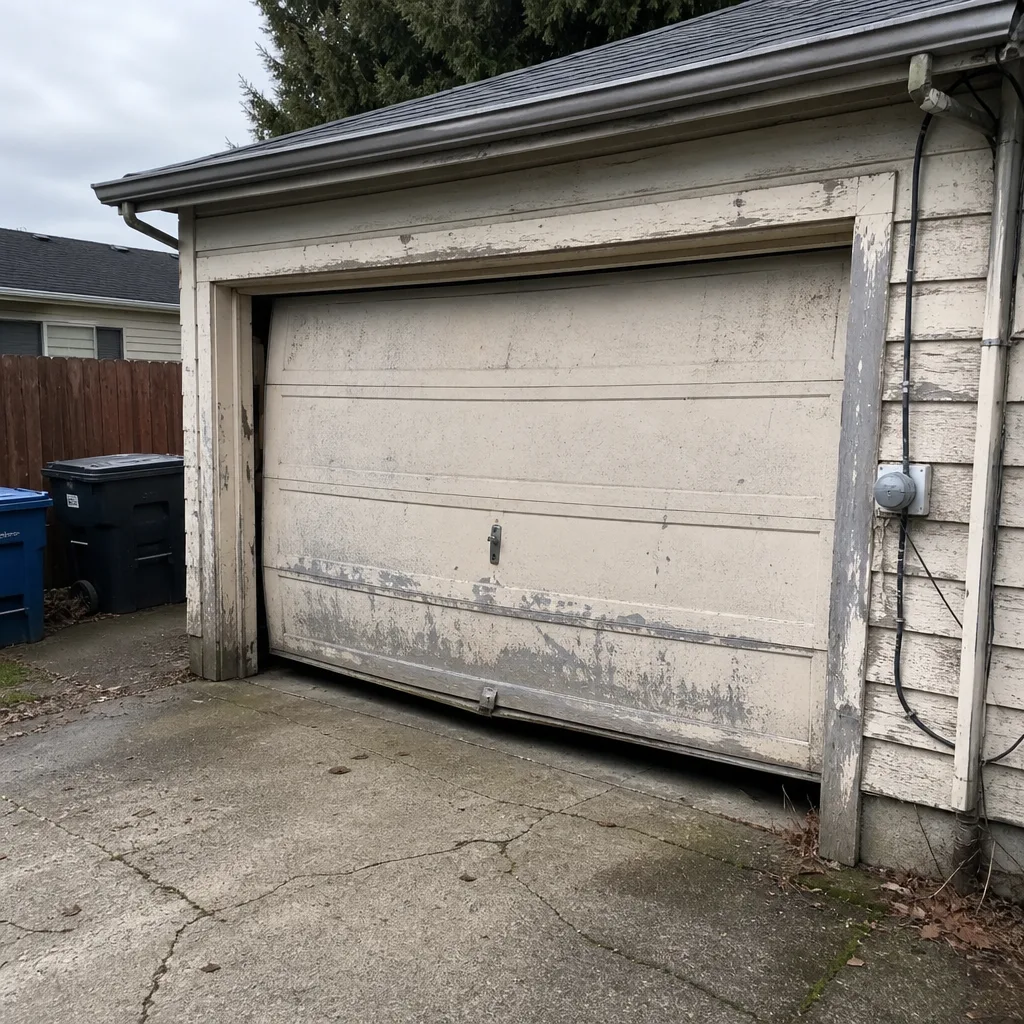 Before
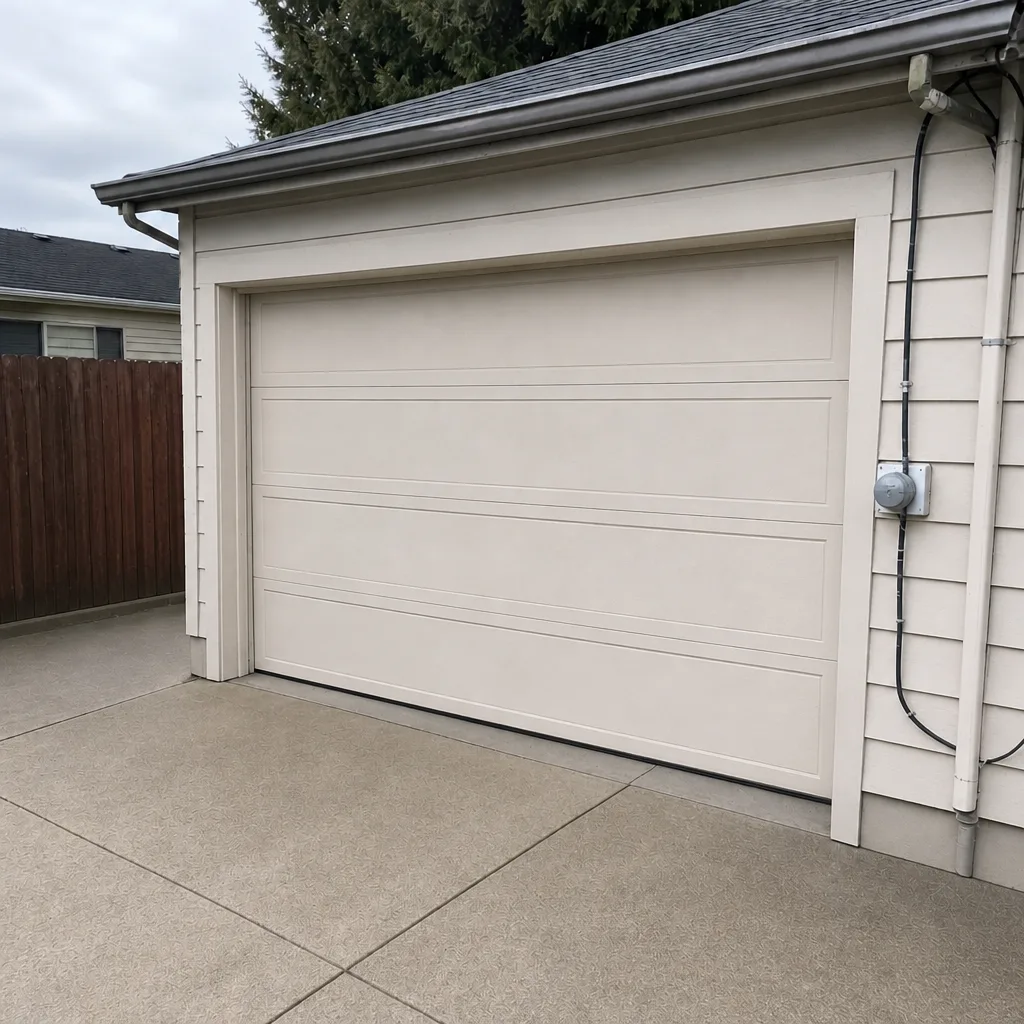 After
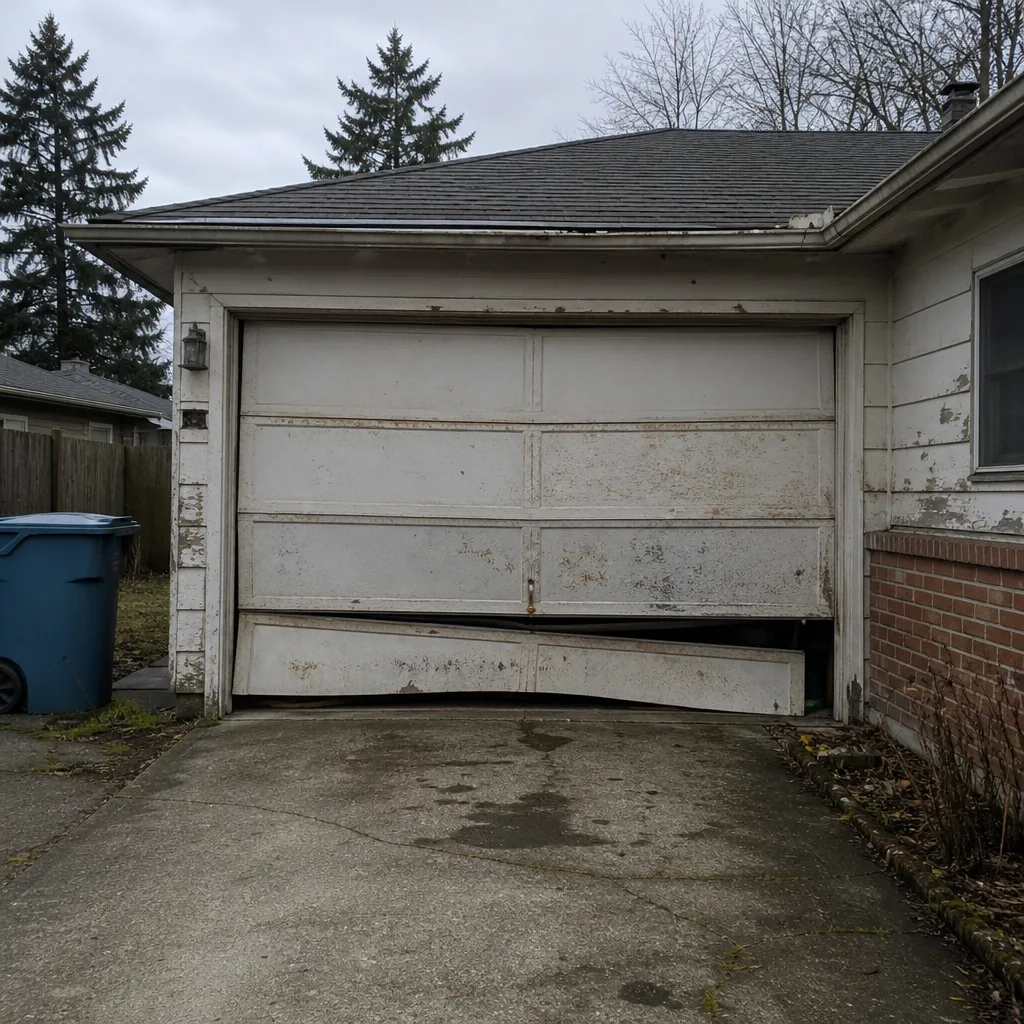 Before
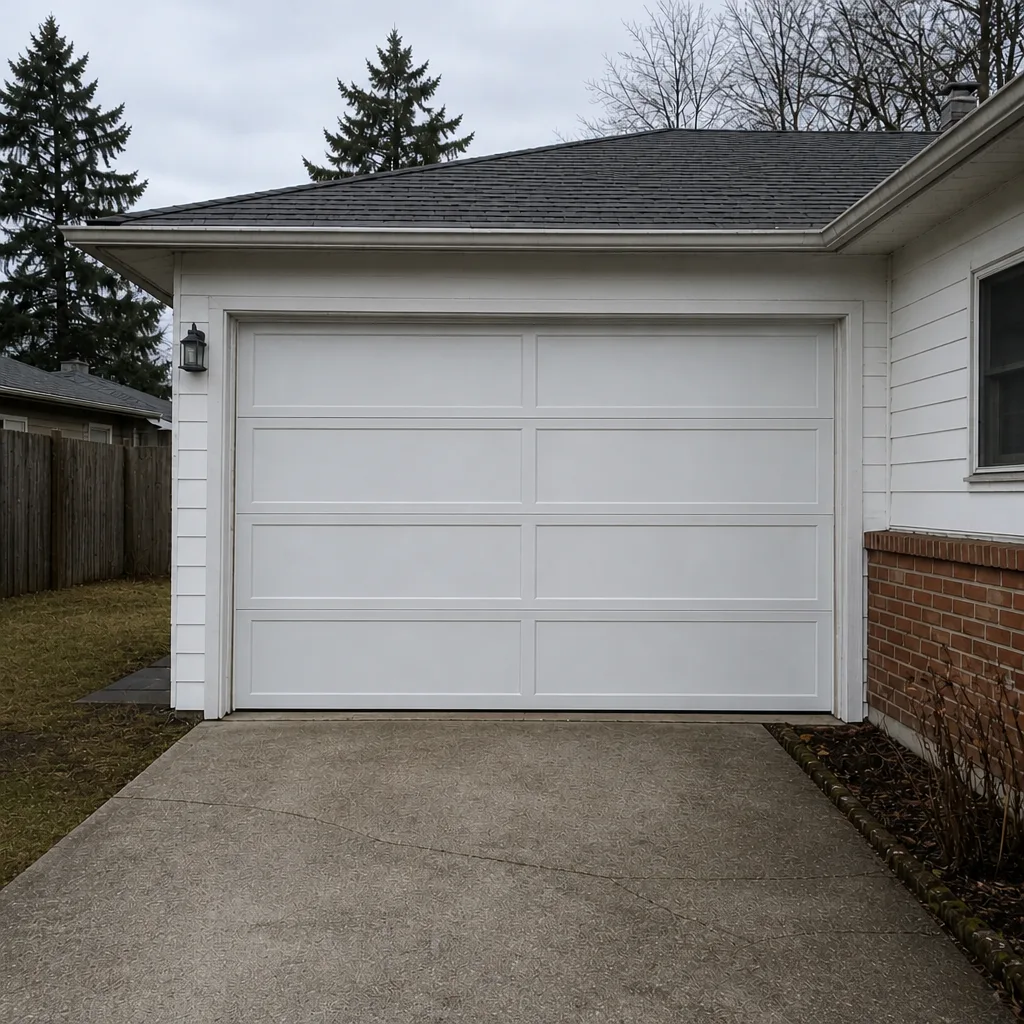 After
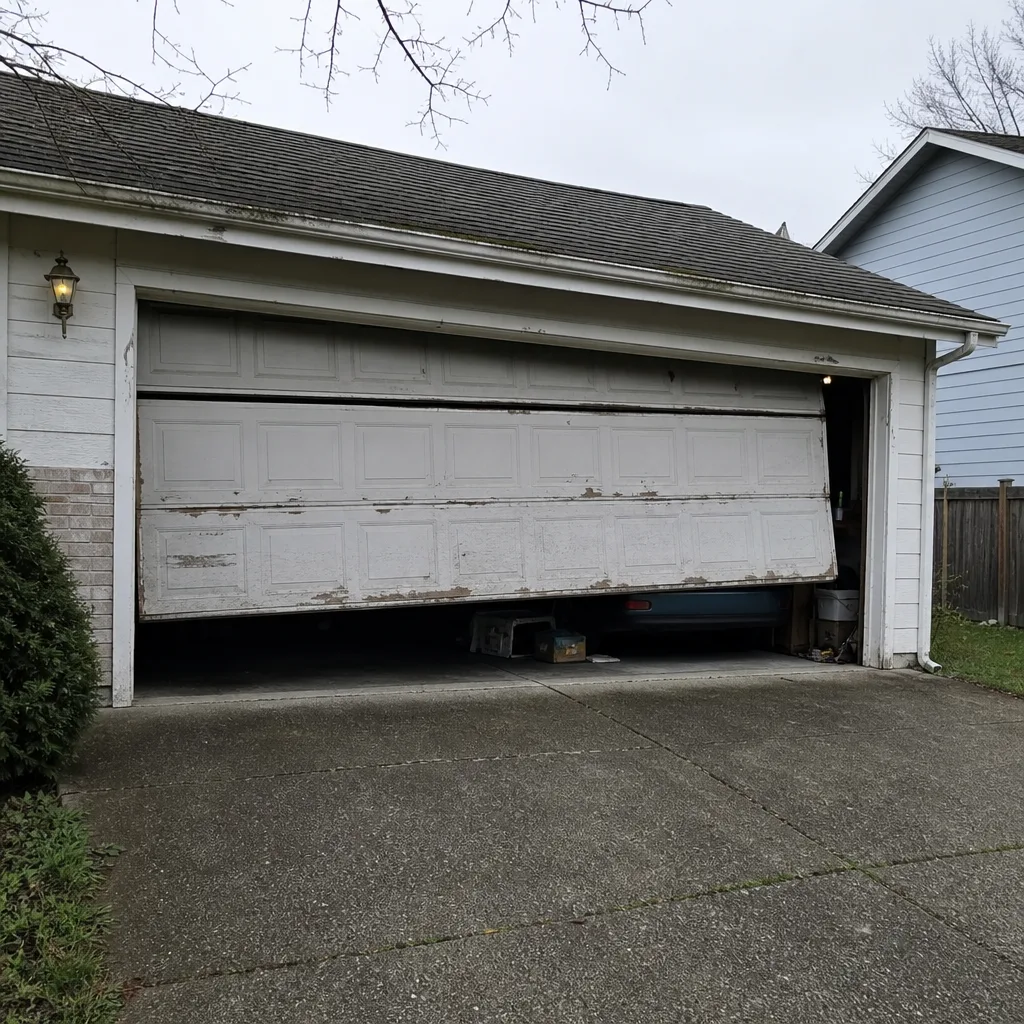 Before
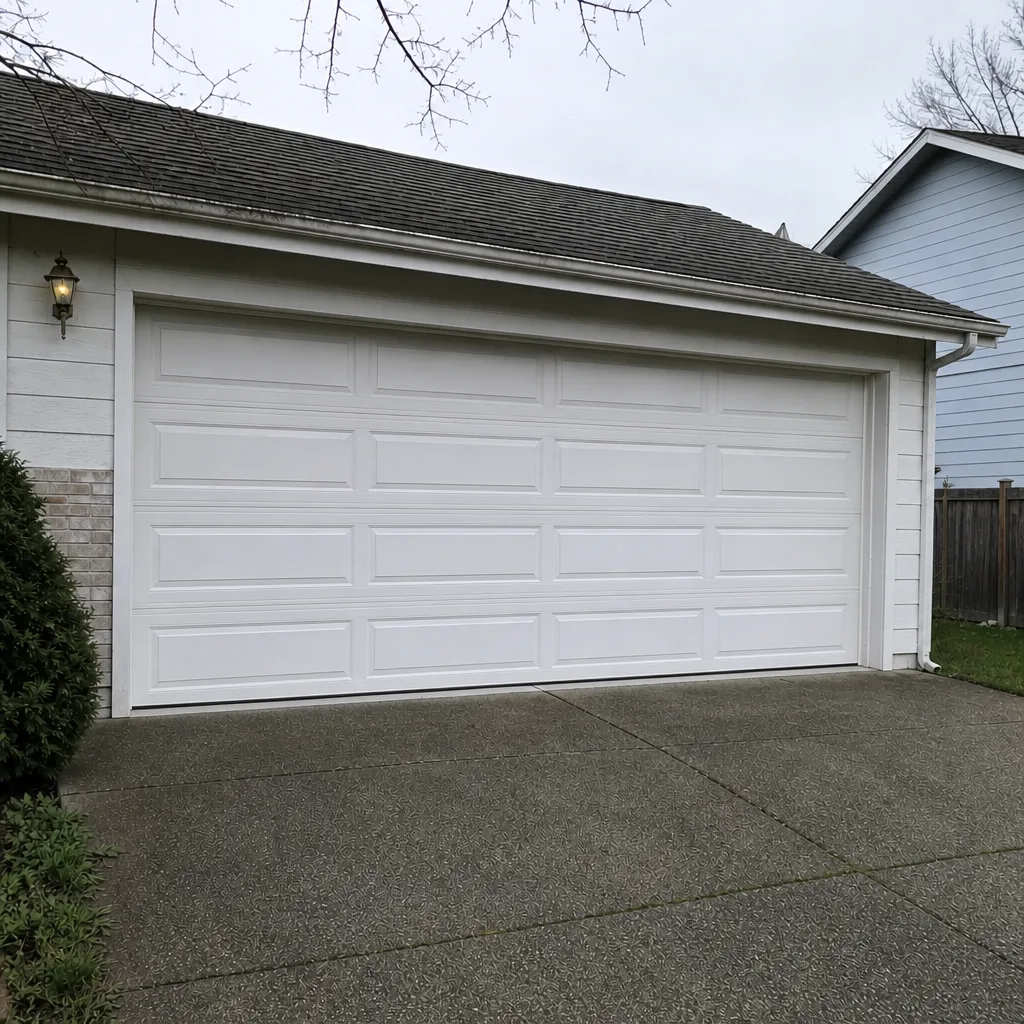 After
When to Call a Professional
Some jobs are fine to watch and learn from; some are not. Anything involving spring tension, cables, or the opener’s electrical components belongs in the second category. A door that won’t close, a door that closes crooked, a spring that’s visibly snapped, a door that reverses immediately when it touches the ground, or an opener that clicks but won’t move the door all point to work a trained professional should do. A snapped spring is the most urgent: the door is dead weight on its own and dangerous to lift without the proper counterbalance. Emergency service exists for exactly that scenario, and it’s a standing part of what’s offered, not an add-on. If your door has trapped a car or left the house unsecured, that’s the call to make first.
Tacoma Garage Door Repair Experts offers free estimates in Tacoma. Call (855) 658-4082 and we’ll get you a written price before anything starts.
Frequently Asked Questions
Most garage door repair in Tacoma runs from about $120 to $320, with spring replacement typically $180 to $340 for one spring and opener repair in the $120 to $320 range. The written estimate you receive before work starts is the final price. Call (855) 658-4082 for an exact quote; estimates are free.
A matched pair of torsion springs is two physical springs, so you’re buying two parts and the labor to install and balance both. That’s why the pair range is roughly $300 to $580 while a single spring sits at $180 to $340. Call (855) 658-4082 to find out what your door needs.
No, not for the work already quoted. If the technician finds something genuinely different once the door is open, you get a new written price and you agree to it before any additional work begins. The estimate on paper is the number you pay. Call (855) 658-4082 for a free estimate.
The local pros we connect you with are licensed and insured as their state requires, and you can ask to see those credentials before work begins. Our technicians have up to 9 years of experience, and the work is limited to garage doors only. Call (855) 658-4082 for an estimate.
Same-day repair is often possible for common failures like springs, cables, and openers, especially for emergency situations, and we dispatch fast starting at 7am through 7pm. Exact availability depends on what’s wrong and the day’s schedule. Call (855) 658-4082 and we’ll tell you what’s realistic for your door.
Most cities require a permit for a full door replacement, so ask your city’s building department what applies to your address. A fair installation quote names the permit cost as its own line and doesn’t hide it in the labor. Call (855) 658-4082 for a free measure and written installation price.
The Bottom Line
Garage door pricing in Tacoma comes down to three things: the parts you’re buying, the labor to install them correctly, and the costs that too many quotes leave out. Spring pricing runs on cycle rating, not just dollar amount, and a pair costs about twice a single spring because it’s two parts. Opener repair and installation have their own ranges, and the written estimate you agree to before work begins is the number you actually pay. Compare quotes on scope and parts specifics, not just the total, and treat spring and cable work as off-limits for DIY. If a quote looks too cheap, ask why; if it looks fair, get it in writing.
Need a number for your door? Call Tacoma Garage Door Repair Experts at (855) 658-4082 for a free estimate and a written price before any work starts.
Written by the team at Tacoma Garage Door Repair Experts.