Last updated November 23, 2026
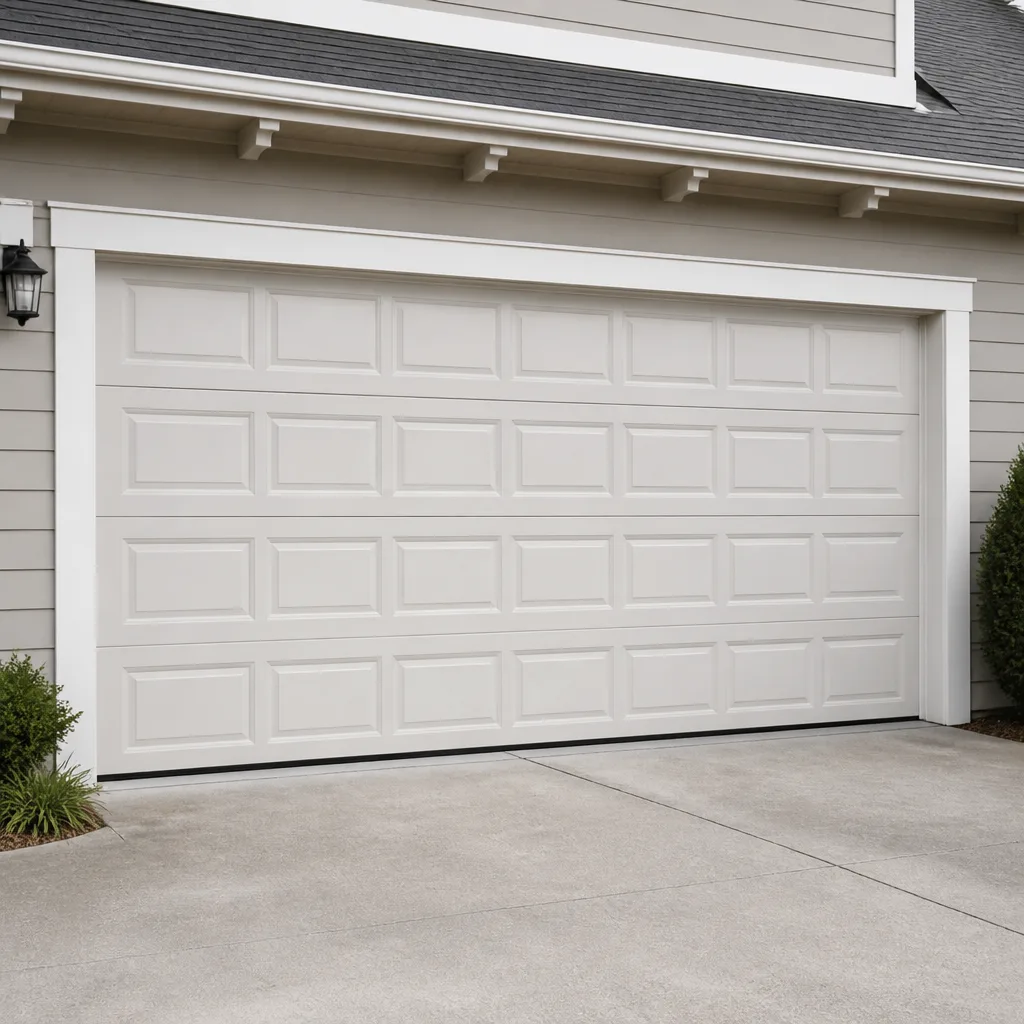 Raised-panel steel
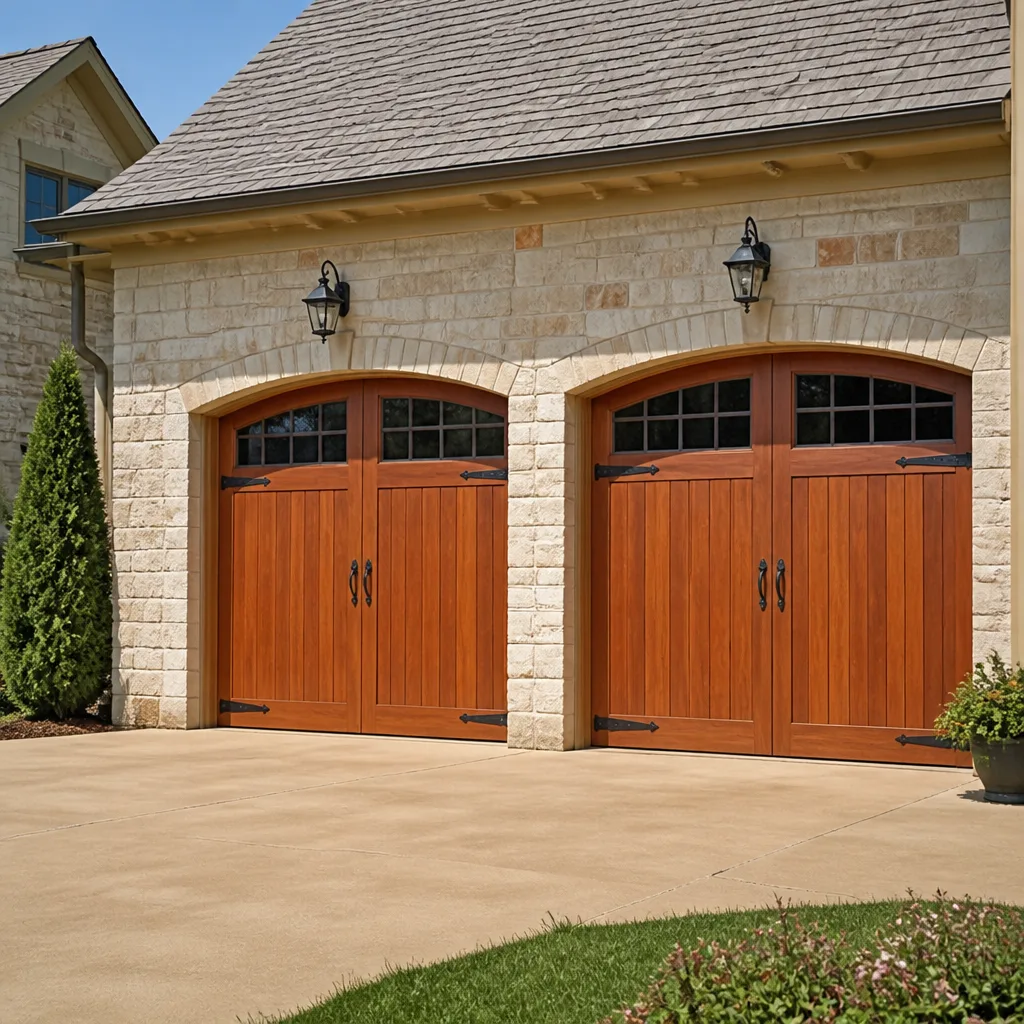 Carriage house
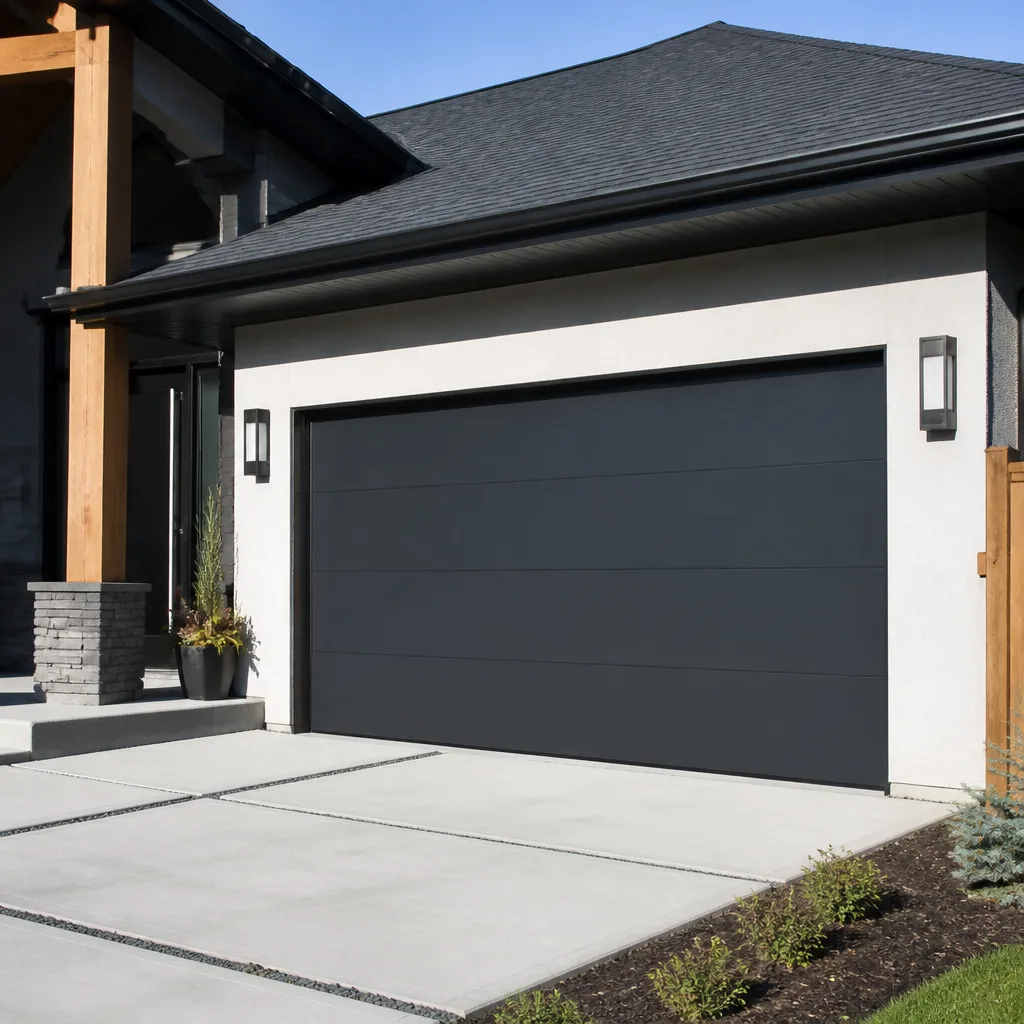 Modern flush
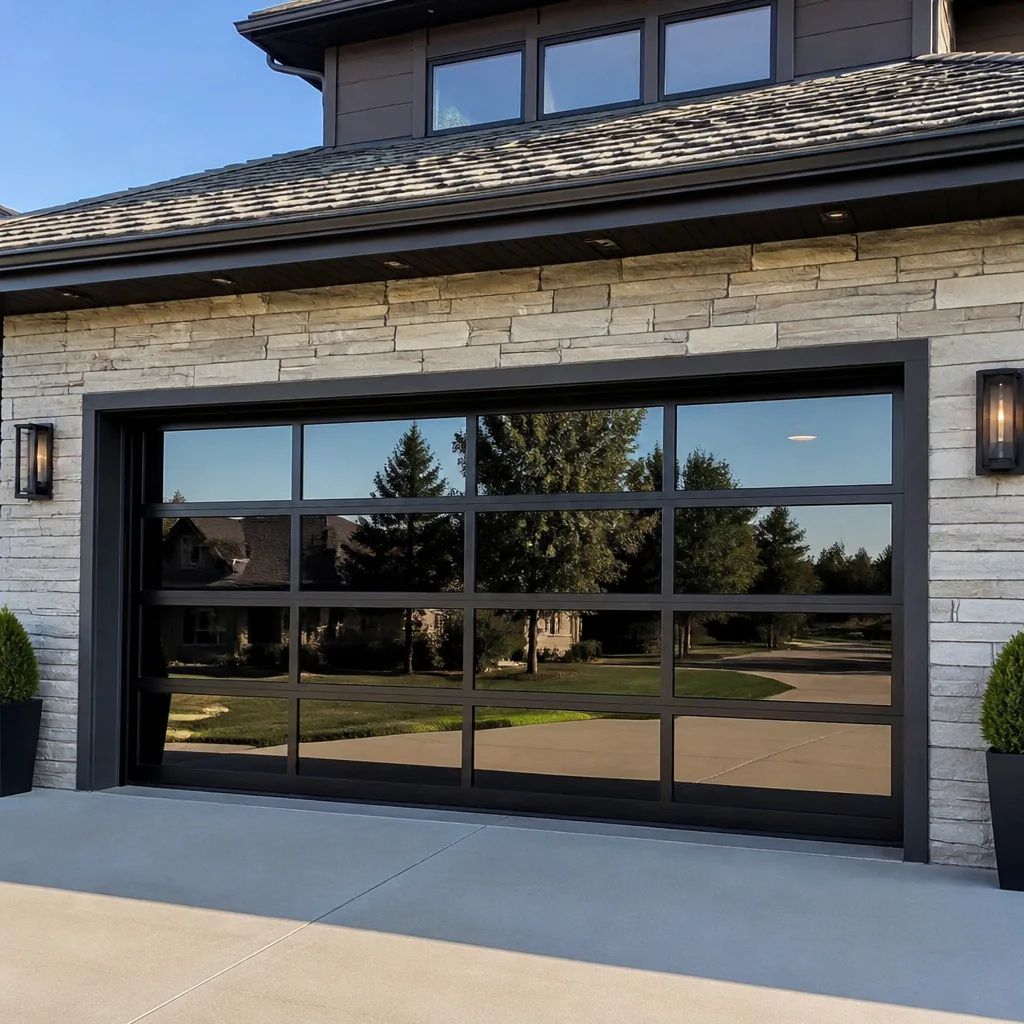 Full-view glass
 LiftMaster openers
 Chamberlain openers
Full 25-point door and opener safety check with every visit - springs, cables, rollers, tracks, and your LiftMaster or Chamberlain opener included
You get a price before we start. It does not change when the pro arrives.
Get your free estimateGarage Door Repair Maintenance Schedule: What to Do and When
Two houses on the same Tacoma block, both with doors installed the same year. One opens twice a day. The other opens eight times a day because the family runs a home business and parks inside. A one-size-fits-all annual checklist treats these doors identically, so the busy door wears out on a schedule nobody warned the owner about. Calendar time tells you very little. Cycle count tells you almost everything. In Tacoma, moisture and cool damp air add a second variable that most national maintenance guides ignore entirely. This guide builds a schedule around how hard your door actually works and what the local climate does to its parts, and it draws a clear line between what you can safely do yourself and what belongs in the hands of a trained technician.
Quick Answer
Lubricate hinges, rollers, and springs every three to six months, and run a balance test every six months. Schedule a professional inspection once a year for a low-use door and twice a year for a high-use or older door. In Tacoma, add a pre-winter bottom seal check and a spring lubrication before the wet season, because Pacific Northwest moisture attacks those components first. Anything involving spring tension or cables belongs to a technician, every time.
Styles & brands we work with
- Raised-panel steel
- Carriage house
- Modern flush
- Full-view glass
- LiftMaster openers
- Chamberlain openers
Table of Contents
- Why Cycle Count Beats Calendar Time
- How to Calculate Your Door’s Annual Cycle Load
- What Tacoma’s Climate Attacks First
- Owner-Safe Tasks You Can Do Yourself
- The Balance Test, Explained in Full
- Technician-Required Tasks and Why They’re Dangerous
- Seasonal Prep for Tacoma’s Wet Season
- Common Mistakes to Avoid
Why Cycle Count Beats Calendar Time
A cycle is one full open and one full close. Springs are rated in cycles, not years, and that’s the number that governs your real maintenance schedule. A door used four times a day runs roughly 1,460 cycles a year. A door used once a day runs about 365. The first door wears its spring system roughly four times faster, yet the same annual checklist gets handed to both. This is why a high-use door “suddenly” fails a couple of years in while a low-use door lasts far longer with less attention. The failure isn’t sudden at all. It’s the end of a cycle budget that ran out on a predictable timeline nobody tracked.
Everything downstream of the springs wears on the same logic. Rollers flatten, hinges loosen, bearings dry out, and the opener motor accumulates its own workload. In Tacoma, that wear interacts with damp air that adds corrosion to the mechanical wear. A door in regular use here is doing two jobs at once: cycling hard and resisting moisture. Scheduling service by cycle load means you replace and adjust parts before they fail, which is far cheaper than repairing a failure that also bent a track or stripped an opener gear.
To turn that into a schedule, sort your door into a use tier:
- Low use (1-2 cycles a day): professional inspection once a year.
- Moderate use (3-5 cycles a day): inspection every nine to twelve months, lubrication every three months.
- High use (6+ cycles a day, or a door shared by a home business): inspection twice a year, lubrication every three months, spring condition checked every visit.
Pair that tier with the climate section below and you’ll have a schedule built for your door, not for an average door in a textbook city. When a repair comes up outside the schedule, our garage door repair team can assess the whole system and flag what’s coming next.
How to Calculate Your Door’s Annual Cycle Load
The formula is simple: daily openings times 365 equals your annual cycle count. Count every time someone leaves and returns, plus any time the door gets opened to move a bike, take out recycling, or let a pet in and out. Most people underestimate by a wide margin until they actually count.
- Pick a typical day – a normal weekday, not a weekend when people are home more.
- Tally each full open-close cycle from morning to night. Two cars leaving and returning is four cycles before anyone has done anything else.
- Add up the tally and multiply by 365 for an annual figure.
- Bump it up if the door is older or the opener is original – an older door with original components has less margin, so the same cycle load wears it faster.
- Compare the number to your last service date – if you’re past a few years with no inspection, it’s time.
For a Tacoma household with two drivers, a hobby that uses the garage, and a door that also serves as the main pedestrian entrance, a tally of eight cycles a day isn’t unusual. That’s around 2,920 cycles a year. At that load, a high-cycle spring upgrade usually makes more sense than re-buying a standard spring, and a twice-yearly inspection stops small wear from becoming a snapped spring on a cold morning. Knowing your number is the first real step toward a schedule that fits, and it’s the question a good technician will ask you before recommending anything.
If your cycle load is high and the opener is struggling, that’s a separate conversation covered in our garage door opener repair guide.
What Tacoma’s Climate Attacks First
Tacoma’s damp, cool climate doesn’t hit a garage door the way a hot desert or a humid subtropical city does. There’s no blistering heat to dry out rollers, but there is persistent moisture that softens rubber and starts corrosion on bare metal. That flips the priority order in a lot of national maintenance checklists. Here’s what goes first in a Tacoma garage:
- The bottom seal – a rubber or vinyl seal sitting against a concrete floor that holds moisture is the first thing to fail. It hardens, tears, and stops sealing, which lets cold air, water, and pests under the door. Check it every season and replace it before the wet months, not after.
- Springs and bare metal hardware – torsion springs and the metal brackets and bearings around them gather moisture and oxidize. Surface rust on a spring is a warning that the wire is getting stressed where it flexes. A spring lubrication every three to six months slows this and keeps the door moving smoothly on cool mornings.
- Tracks and rollers – steel tracks pick up oxidation at the joints and where they’re bolted, and rollers with dried bearings drag. This is the kind of wear that shows up as a door that binds halfway up.
- Wood door frames and trim – if your door has wood components, they take in moisture and swell, and they need paint or sealer more often than in a drier climate.
That’s why a Tacoma door usually needs its bottom seal and spring lubrication on a shorter interval than a generic guide suggests. The national annual checklist assumes moderate corrosion pressure. Here, the moisture never really stops, and the wet season is long enough that a seal left alone through fall and winter can be gone by spring. A quarterly visual pass on the seal and a lubrication of the moving metal keeps you ahead of it.
This is also why brand familiarity matters. A door built around Clopay or Wayne Dalton components has specific seals, rollers, and hardware, and matching the right part to the system prevents the half-fit aftermarket seals that fail again quickly. When a seal is swollen and torn, our Tacoma Garage Door Repair Experts can match the correct replacement.
Owner-Safe Tasks You Can Do Yourself
Some maintenance is genuinely homeowner work, and doing it saves parts and money. The trick is knowing where the safe line is. Lubrication, visual inspection, and the balance test are yours. Anything that adjusts a spring or touches a cable is not. Here’s the owner-safe list:
- Lubricate hinges, rollers, and spring coils every three to six months. Use a garage-door-rated lubricant, not household oil. Wipe off excess so it doesn’t attract grit.
- Inspect the door visually once a month. Look for rust spots, cracked hinge straps, frayed cables, bent track sections, and a bottom seal that’s split or pressed flat.
- Run the balance test every six months (full method below).
- Check the auto-reverse safety features once a month. Put an object in the door’s path and confirm the door reverses, and test the photo-eye sensors by passing something through the beam while the door is closing.
- Tighten loose bolts on the hinges and rollers with hand tools, but never touch the brackets holding spring tension.
- Clear debris and lubricate tracks lightly, then wipe clean. Don’t use grease, which collects grit and jams rollers.
The visual inspection is where most problems get caught early. A cracked hinge strap or a frayed cable noticed on a routine pass is a small repair. The same issue ignored until it lets go is a bigger job and sometimes a dangerous one. Keep a note of dates so you know when you last lubricated and inspected. If you can’t remember the last time, treat it as overdue.
Owner maintenance helps, but it doesn’t replace a trained eye on the spring system and cables. When you want that deeper check, our garage door repair specialists can go through the whole door and tell you what’s coming.
The Balance Test, Explained in Full
The balance test tells you whether your springs are still doing their job. Most guides mention it briefly and never explain what the result actually means, which leaves homeowners unsure whether they passed or failed. Here’s the full method and what each result says mechanically.
- Close the door and disconnect the opener. Pull the release handle so the door is on manual. Do this with the door fully closed so nothing is loaded until you’re ready.
- Lift the door to about halfway open by hand, then let go. Don’t force it.
- Watch what it does. A properly balanced door should stay roughly where you left it, or drift only a little.
- Note the result against the pass-or-fail guide below.
A passing result: the door holds position near halfway, and lifting it by hand feels light. That means the springs are holding most of the door’s weight. The opener is only doing the remaining work, and the springs are still in decent condition.
A failing result, door drops on its own: the springs have lost tension or are broken. The door is now heavier than the springs can carry, and every cycle the opener is straining to lift a weight it wasn’t built to move. That’s why opener gears strip and motors burn out when springs fail.
A failing result, door rises on its own or feels very light: the springs are over-tensioned or the door has unusually strong tension. Either way the system is working against itself, which wears the tracks and can make it slam on closing.
A failing result, door binds on one side: likely a track or cable issue rather than springs, and it should be looked at before it gets worse.
Whatever the result, don’t try to adjust the spring tension yourself. The balance test only tells you whether to call. A door that fails should be treated as a service call, not a project. Book a free estimate with our garage door repair team and we’ll confirm what the test is telling you.
Technician-Required Tasks and Why They’re Dangerous
Some garage door work is genuinely dangerous because of stored energy. Torsion springs and the cables under load hold enough force to cause serious injury if released incorrectly, and there’s no safe DIY version. This is the line professionals don’t cross. Here’s what belongs to a technician and why:
- Spring tension calibration and replacement – a torsion spring under load can release with enough force to break bones or worse. Never loosen, tighten, or remove the winding bars or brackets yourself. If a spring is broken or losing tension, that’s a technician call.
- Cable inspection and replacement – cables are under heavy tension and can whip or snap if handled wrong. A frayed cable is a warning, not a fix-it-yourself moment.
- Track alignment and roller replacement on a loaded door – a door resting on misaligned tracks can drop when hardware is removed. Leave track realignment to a technician.
- Opener drive and gear work – opener components are mostly safe to inspect but need proper diagnosis across brands. A Genie or LiftMaster unit has specific parts and settings that a generalist won’t know cold.
- Photo-eye and limit-switch adjustment after repairs – these safety settings need to be right or the door can close on a person or object. Get them set correctly.
An emergency situation – a door stuck open with the house unsecured, or a snapped spring trapping a car – is exactly when not to force it. That’s the call a specialist exists for. Tacoma Garage Door Repair Experts offers emergency service as a standing part of the work, so a failure in the middle of the day doesn’t mean waiting. Spring repair done safely is the whole point of having a specialist handle it, and it’s where a lot of handymen and general contractors stop being the right choice.
If the whole door is past repair and a replacement conversation makes sense, that happens under the same roof. Our garage door installation service means no second company and no referral.
Seasonal Prep for Tacoma’s Wet Season
The wet season is the time your Tacoma garage door takes the most strain. Damp air, cooler mornings, and a bottom seal sitting against wet concrete create a slow wear cycle. A short seasonal prep before the rains settle in keeps the door working smoothly through the wet months and prevents the slow-motion damage that shows up as a door that drags or a spring that rusts through.
- Inspect and replace the bottom seal before the wet months. A hardened or torn seal is the first failure. A fresh seal keeps out water, cold air, and pests.
- Lubricate the springs and moving metal. A fresh coat of garage-door lubricant on torsion and extension springs slows corrosion through the damp months and keeps the door quiet on cold mornings.
- Clear and lubricate tracks and rollers so nothing binds when the air turns cool and the metal contracts slightly.
- Check the door’s alignment and weatherstripping at the sides and top. Gaps let in water that finds its way to the frame and hardware.
- Test the balance, auto-reverse, and photo-eye sensors after the lubing is done, so you know the door is ready for the season.
- Note the date of the work. Next season you’ll know exactly what was done and when.
Cool-morning slow-down is a real symptom here. If the door feels sluggish and heavy on a cold morning, that’s usually a combination of stiff lubricant or a spring that’s losing tension. A re-lube often fixes the first; the second needs a technician. Either way, getting ahead of it before the wet season is easier than dealing with it after a spring lets go in winter, when everything is colder and the door gets worked harder.
If the pre-season inspection turns up something you can’t handle, that’s a good time for a free estimate rather than a mid-winter emergency.
Common Mistakes to Avoid
- Following a national annual checklist without adjusting for use. A door used eight times a day needs more attention than once a year. Match the schedule to your cycle load, not to the calendar.
- Ignoring the bottom seal through the wet season. In Tacoma’s damp climate, a hardened or torn seal lets water and cold air in and can quietly rot the frame over a few seasons.
- Greasing the tracks. Grease collects grit and jams rollers. Use a light door-rated lubricant and wipe the tracks clean.
- Tightening or loosening spring brackets. This is where serious injuries happen. If the door is heavy or the spring is adjusted, call a technician.
- Skipping the balance test because the door “seems fine”. The balance test catches a weakening spring before the opener burns out or the door drops.
- Forcing a stuck door. Forcing a bound door can bend tracks, snap cables, and strip the opener. Leave it and call for service.
- Hiring a generalist for spring or cable work. Garage doors are all we do; a handyman or general contractor doesn’t have the tools or the training for high-tension spring repair, and that’s a safety issue, not a price issue.
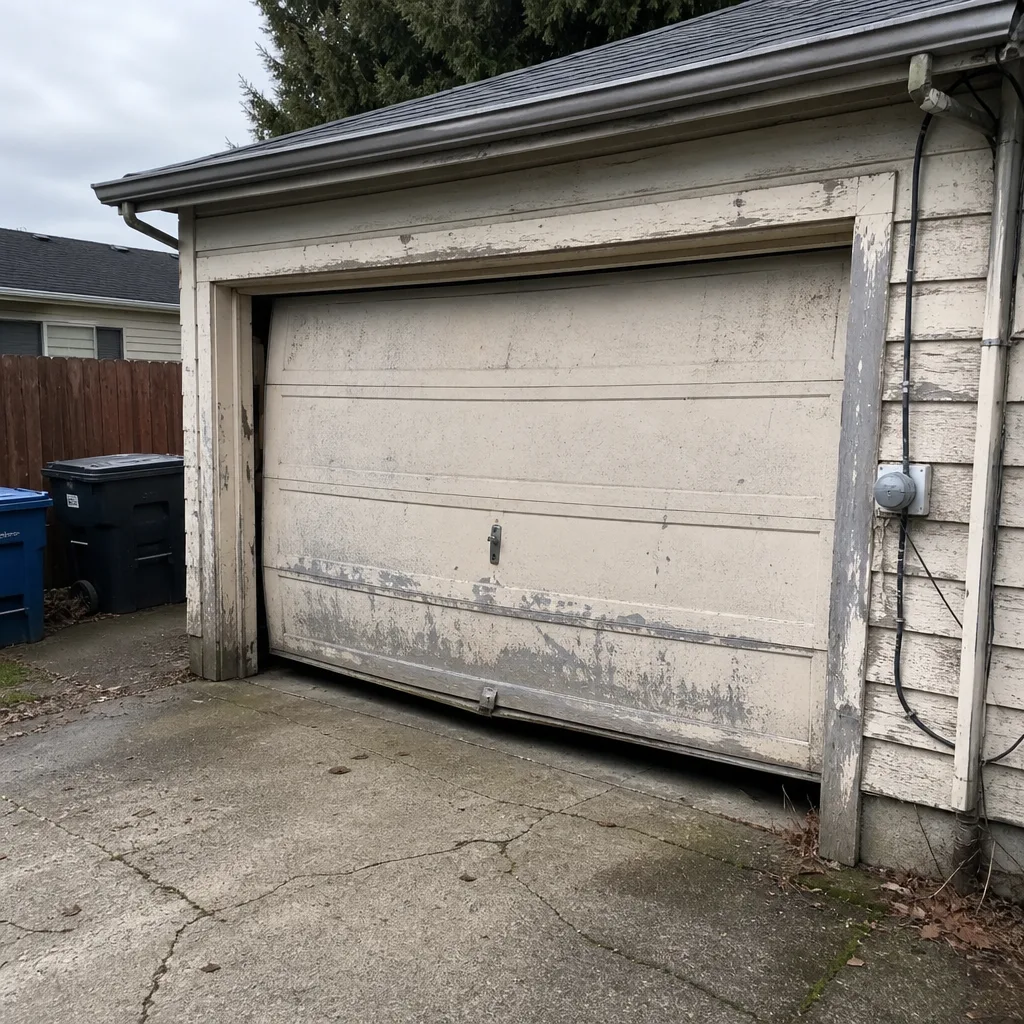
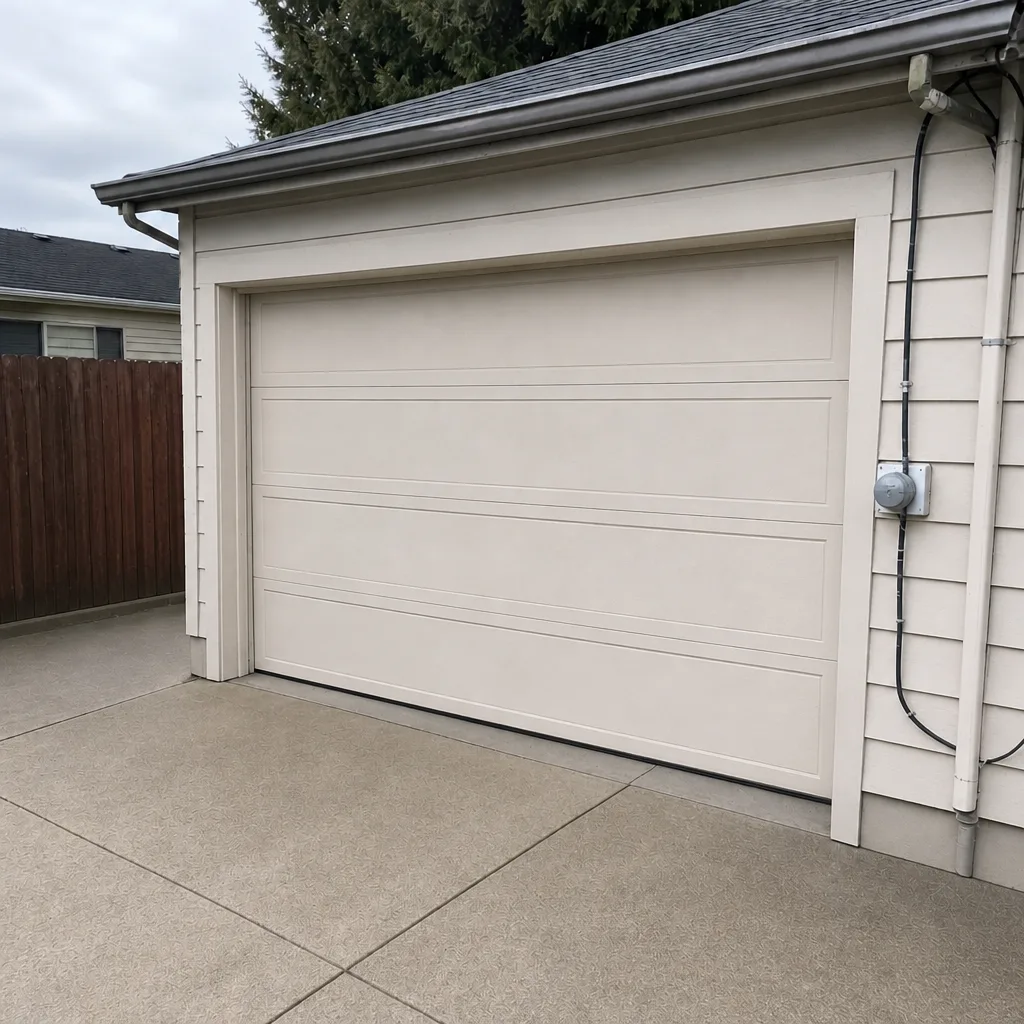
See the difference
 Before
 After
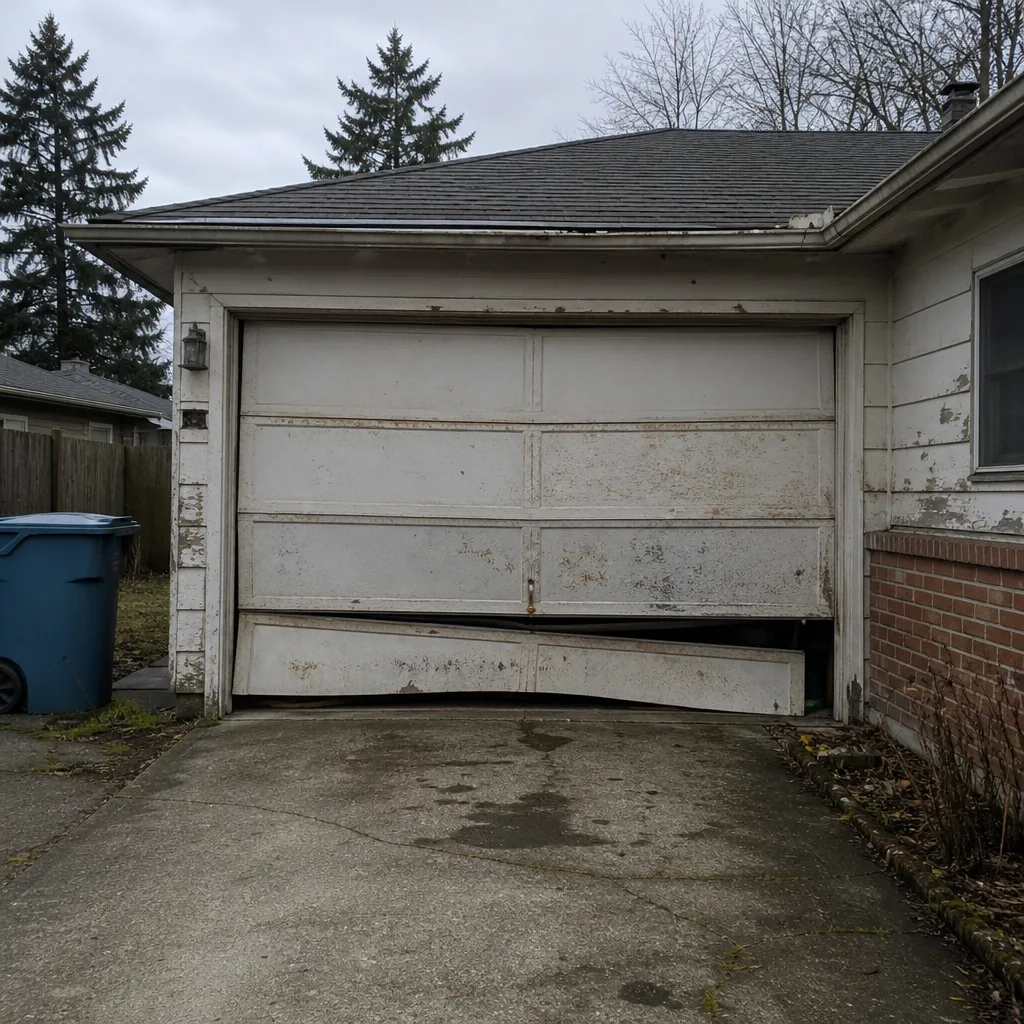 Before
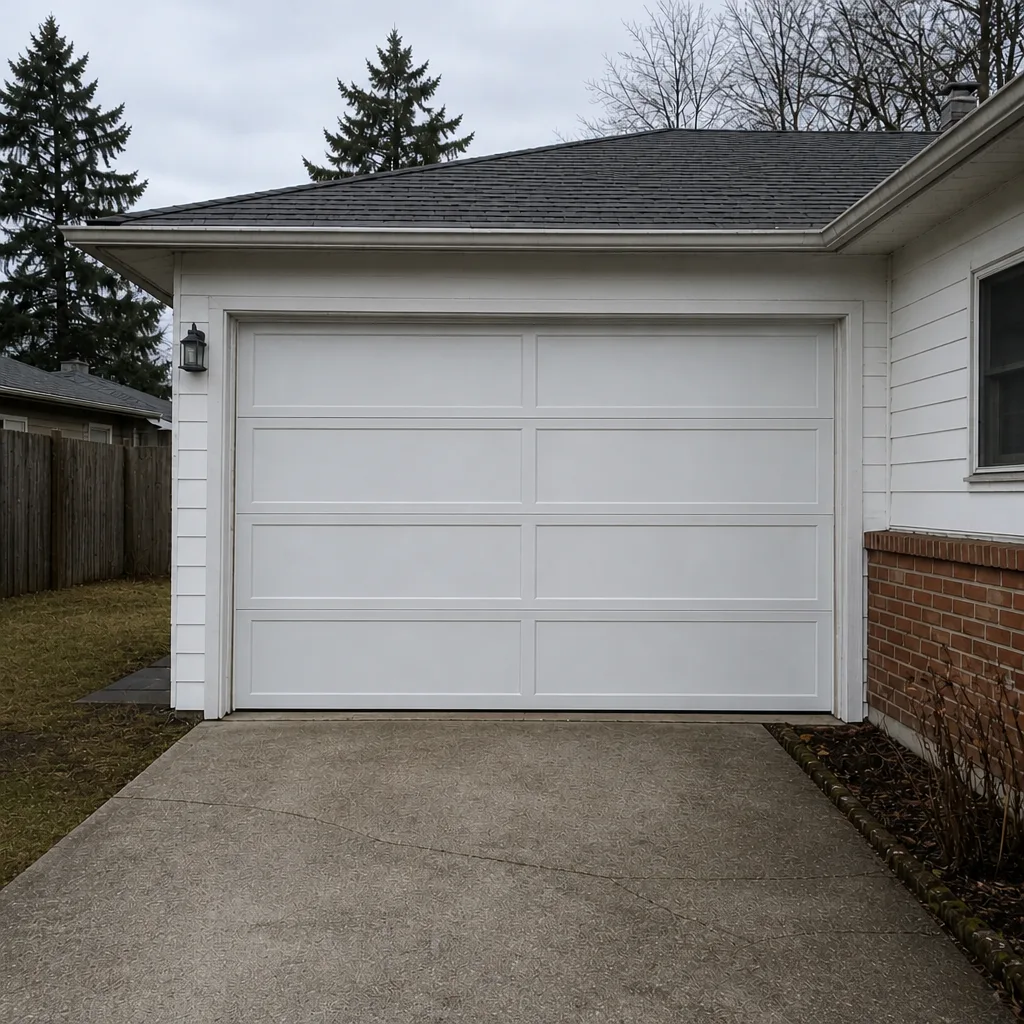 After
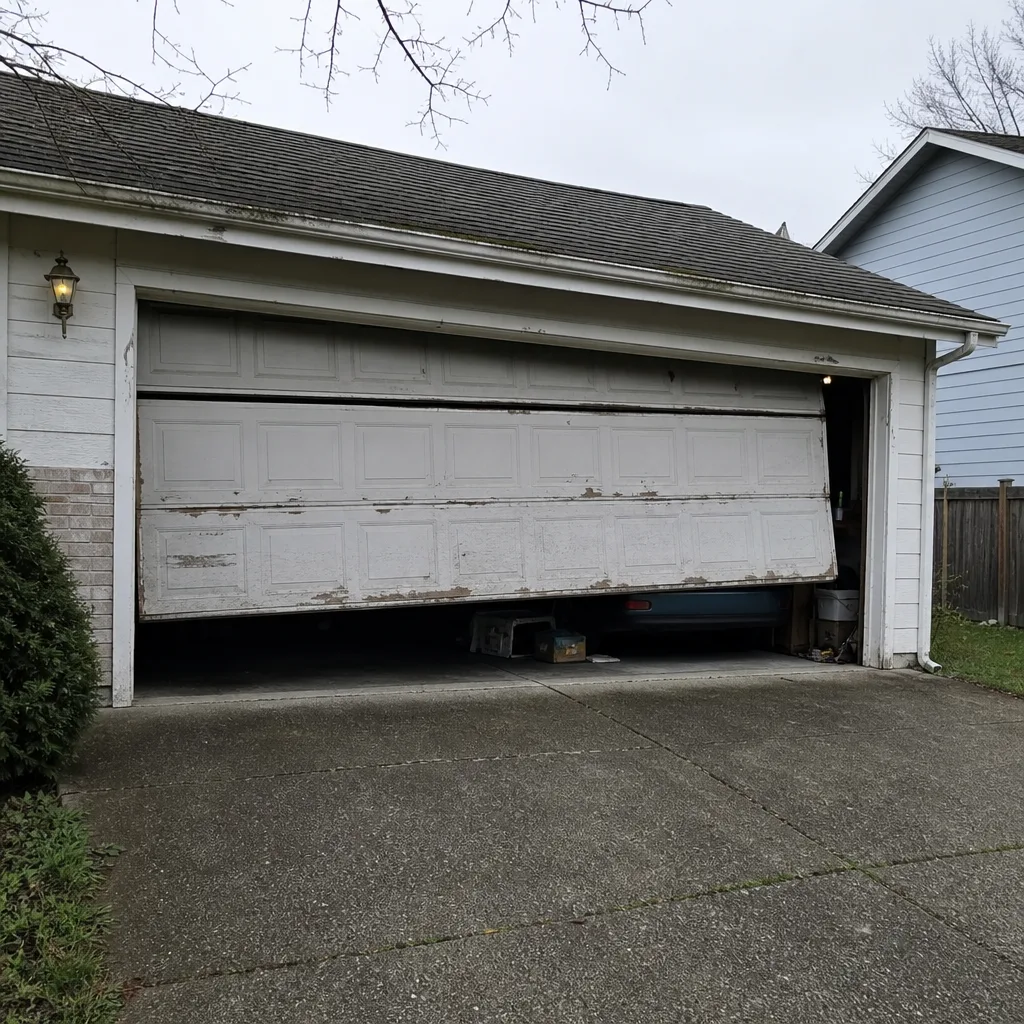 Before
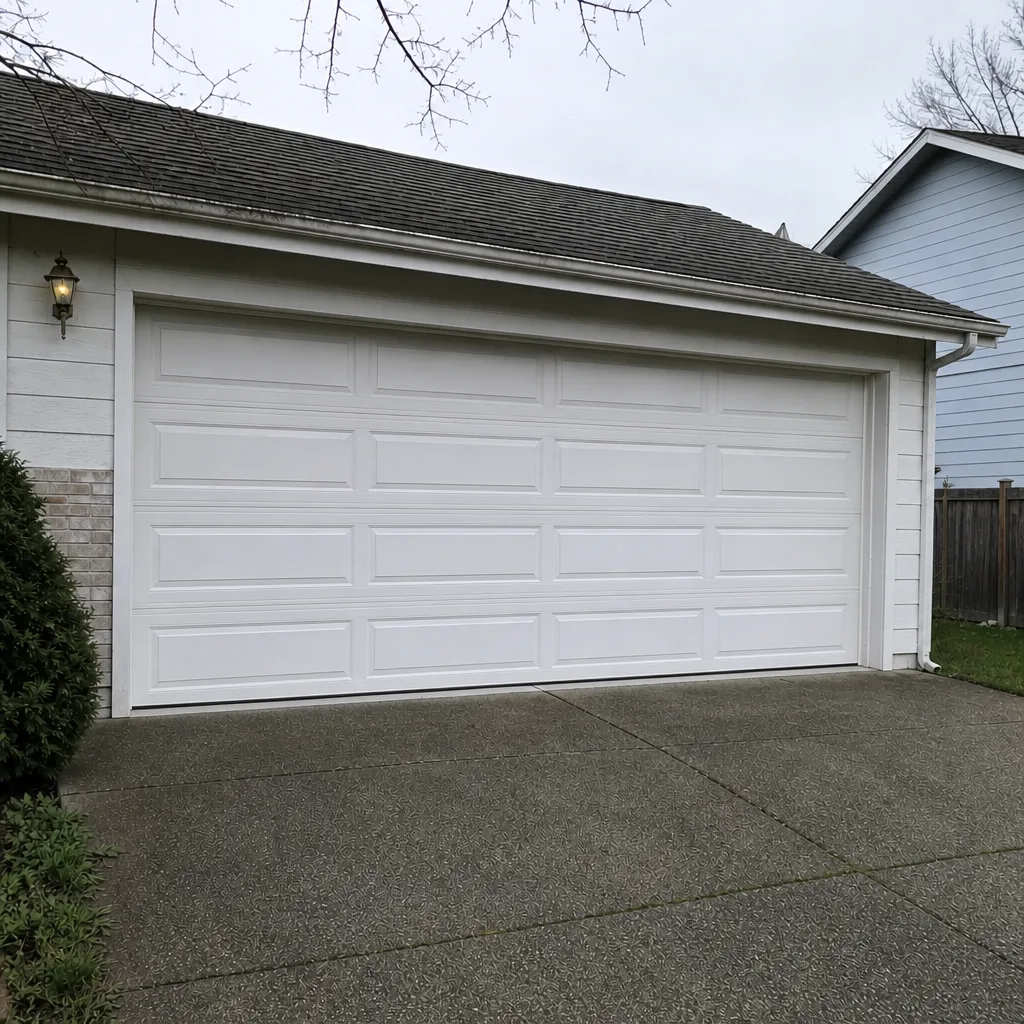 After
When to Call a Professional
Call a professional whenever the work involves spring tension, cables, track alignment on a loaded door, or a door that won’t move safely. Those are high-stakes, and no amount of owner maintenance changes that. Call sooner rather than later if you hear a bang from the garage and the door won’t lift, if a cable looks frayed or slack, if the door binds or grinds, or if the auto-reverse and photo-eye sensors don’t behave correctly after you test them. A door stuck open is a security concern and a same-day call. A door that fails the balance test is a service call, not a project. For the deeper work, including opener issues and full replacement, a dedicated garage door specialist is the right resource. Tacoma Garage Door Repair Experts offers free estimates in Tacoma. Call (855) 658-4082 and we’ll tell you what the door needs.
Frequently Asked Questions
Every three to six months, and always before the wet season. Tacoma’s damp air speeds corrosion on springs and moving metal, so a quarterly pass on a high-use door keeps it smoother and quieter through the cool months.
No. Torsion and extension springs hold enough stored energy to cause serious injury if released incorrectly, and the adjustment has to be exact for the door to be balanced and safe. Spring repair belongs with a trained technician. Call (855) 658-4082 for a free estimate.
It means the springs have lost tension or broken and aren’t carrying the door’s weight. The door is now heavier than the springs can support, which strains the opener and tracks. Treat it as a service call and don’t try to adjust the springs yourself.
Yes, especially on a high-use or older door. A door can work “fine” while a spring is nearing the end of its cycle budget or a cable is fraying. An annual or twice-yearly inspection catches those before they fail. Call (855) 658-4082 to book a free estimate.
Usually stiff lubricant or a spring that’s losing tension in the cool air. A fresh lubricant on the springs and moving parts often fixes the first. If it persists, have the springs checked, since a weakening spring is the more serious cause.
Don’t force it. A stuck door that won’t close leaves the house unsecured, so this is an emergency service call. Emergency work is a standing offering here, so you don’t have to wait. Call (855) 658-4082 and we’ll get you back in operation today.
The Bottom Line
A maintenance schedule works when it fits the door in front of you, not an average door in a textbook. Track your cycle load, adjust the interval up for high use, and let Tacoma’s damp climate push the bottom seal and spring lubrication to the front of the list. Stick to the owner-safe tasks, respect the safety line on springs and cables, and book a professional inspection on schedule. Our technicians have up to 9 years of experience across the major brands, so the right part is matched to your system. When something fails or the door’s ready for a check, call (855) 658-4082 for a free estimate.
Written by the team at Tacoma Garage Door Repair Experts.